Basement Mold Remediation Charlotte NC — Certified Specialists Who Eliminate Basement Mold at Its Source
Basement mold remediation in Charlotte, NC is the professional process of inspecting, containing, removing, and permanently resolving mold growth in below-grade spaces by addressing both the visible contamination and the underlying moisture conditions that made your Charlotte basement a breeding ground for mold in the first place. If you have discovered mold in your Charlotte basement, whether it is a patch of black growth on the drywall, a persistent musty odor that will not go away, or widespread contamination across your floor joists and concrete walls, you are dealing with a problem that will not resolve itself. Basement mold in Charlotte does not disappear when you dry the surface. It retreats, spreads further behind walls and beneath flooring, and returns stronger every time conditions allow. The only way to resolve it permanently is through certified, structured remediation performed by professionals who understand both the biology of mold and the specific moisture dynamics of Charlotte’s climate. Our IICRC certified technicians specialize in basement mold remediation across Charlotte, NC and all of Mecklenburg County. We handle every stage of the process from the initial inspection through to post-remediation clearance testing, and we do not consider the job done until independent laboratory results confirm your basement is genuinely safe.
Why Charlotte Basements Are the Most Vulnerable Space in Your Home?
To understand why basement mold remediation is such a common necessity for Charlotte homeowners, you have to understand what makes this city’s below-grade spaces uniquely hostile environments.
Charlotte sits in a humid subtropical climate zone.
Average annual rainfall exceeds 43 inches. Summer relative humidity regularly climbs past 70 percent, and unlike cities in the northeast or midwest, Charlotte’s mild winters provide no cold-weather relief from moisture. Mold colonies in a Charlotte basement do not die back in winter the way they might in colder climates. They grow continuously, twelve months of the year, as long as moisture is available. Beyond the climate and soil conditions, several specific factors make Charlotte basements particularly vulnerable to mold growth.
The geology underneath Charlotte compounds the problem further.
Mecklenburg County’s soil composition, such as heavy red clay that drains exceptionally poorly, means that groundwater does not move away from your foundation after a rain event. It sits against your basement walls and floor slab, creating hydrostatic pressure that forces moisture through even hairline cracks in concrete. Many Charlotte homeowners are completely unaware this is happening until they discover mold already well established on their drywall, wood framing, or stored belongings.
Foundation age and integrity
Charlotte's rapid growth over the past three decades means the housing stock spans a wide range of ages. Neighborhoods like Dilworth, NoDa, Plaza Midwood, Myers Park, and Elizabeth contain homes with foundations that are 50, 60, even 80 years old. Waterproofing systems installed in those eras were not designed for the volume of moisture movement Charlotte's climate produces, and many have been failing silently for years.
Inadequate drainage systems
Homes without properly functioning interior or exterior drainage systems, functional sump pumps, or correctly graded exterior landscaping allow water to collect against and beneath the foundation rather than directing it away from the structure. Even a modest amount of water intrusion repeated over months will produce significant mold contamination in a Charlotte basement.
Temperature differentials and condensation
Charlotte's hot summers create a significant temperature difference between the warm, humid outdoor air and the cooler below-grade environment. When warm air enters a basement, moisture condenses on cold concrete walls, floor slabs, pipes, and any other cool surface it contacts. This condensation alone without any active leak or flood event is enough to sustain mold growth on porous basement materials indefinitely.
Connected crawl spaces
Many Charlotte homes have both a partial basement and an adjacent crawl space. Ground moisture and mold spores from an encapsulated or poorly maintained crawl space migrate directly into the basement environment, compounding whatever moisture issues already exist in the below-grade space.
Health Risks of Basement Mold in Charlotte, NC Homes
Mold growing in your Charlotte basement is not simply a property damage issue. It is a direct threat to the health of every person living inside your home, and the threat is more serious than most homeowners realize until symptoms have already developed.
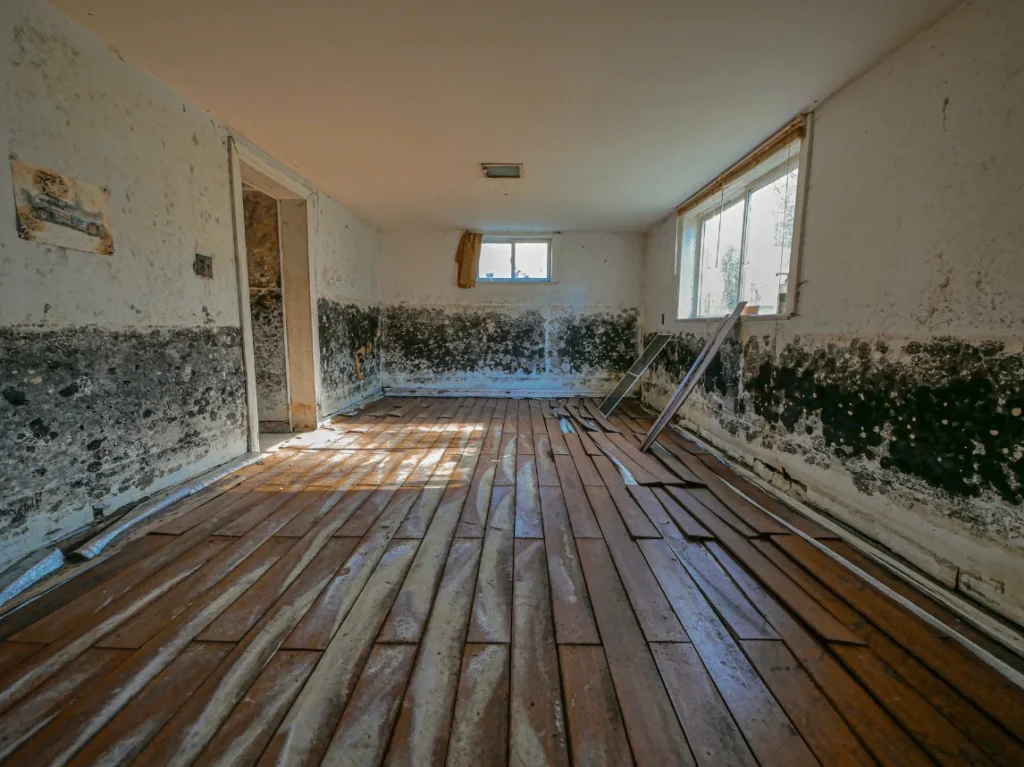
Basements are not isolated from the rest of the house. Air moves constantly through a home via the stack effect , such as warm air rises from lower levels through upper floors and out through the roof, pulling basement air with it throughout the day. This means that mold spores, mycotoxins, and airborne contaminants generated by mold colonies in your basement are being continuously distributed into the living areas of your Charlotte home, regardless of whether the basement is finished or unfinished, heated or unheated, frequently used or rarely entered.
The mold species most commonly found in Charlotte basements include Stachybotrys chartarum, the organism commonly referred to as black mold, as well as Aspergillus, Cladosporium, Penicillium, and Chaetomium. Each of these species produces allergens and irritants that affect the respiratory system. Stachybotrys and certain Aspergillus strains additionally produce mycotoxins — secondary metabolic compounds that are toxic to humans and animals at sufficient concentrations.
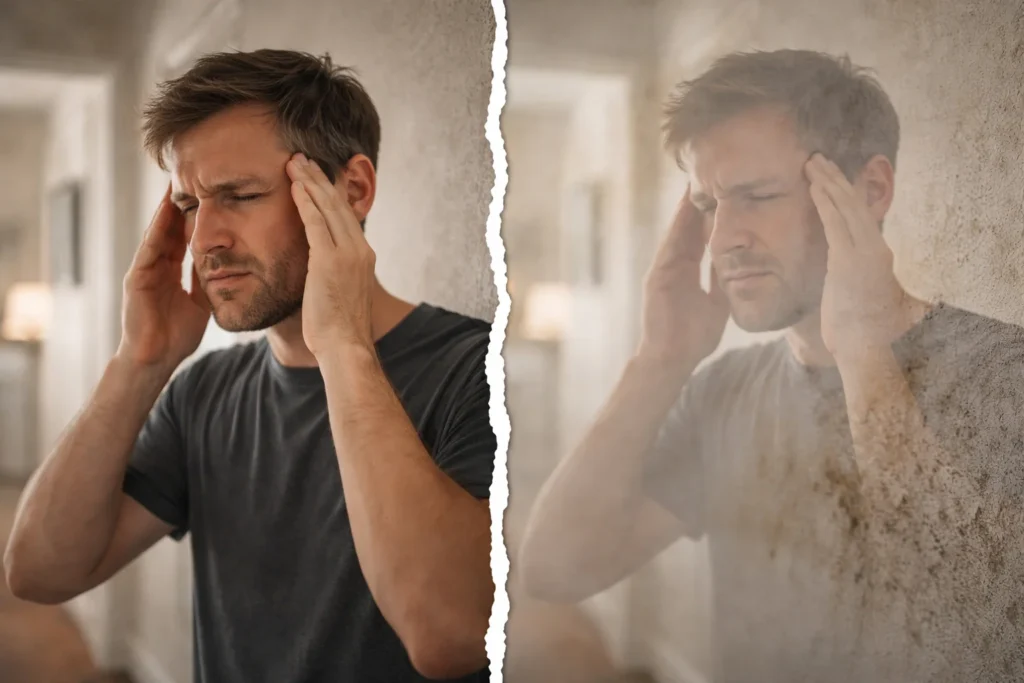
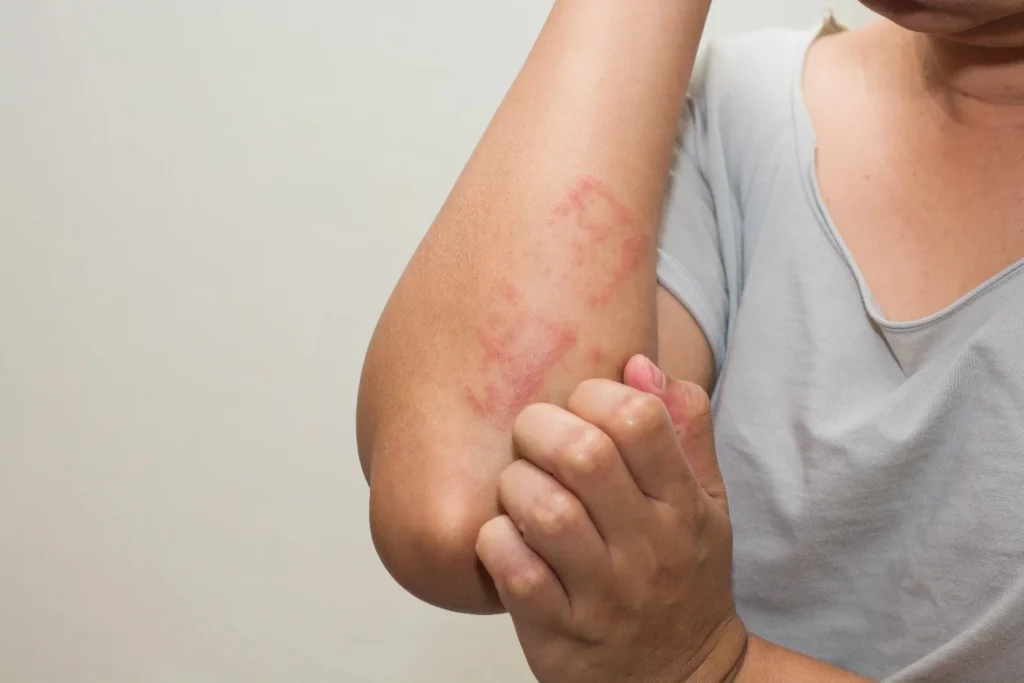
Documented health effects associated with exposure to basement mold include chronic coughing and sneezing, persistent nasal congestion, wheezing, shortness of breath, throat and eye irritation, recurring sinus infections, skin rashes, fatigue, difficulty concentrating, and in cases of prolonged black mold exposure, neurological symptoms including headaches, memory problems, and mood disturbances.
Children, elderly individuals, pregnant women, and anyone with pre-existing asthma, allergies, or a compromised immune system face significantly elevated risk from even moderate basement mold exposure. For households with these vulnerable members, delayed remediation is never an acceptable option.

If anyone in your Charlotte home is experiencing unexplained respiratory symptoms, chronic allergy-like reactions, or fatigue that improves noticeably when they spend time away from the house, mold contamination in the basement or crawl space should be the first thing investigated by a certified professional.
Warning Signs You Need Basement Mold Remediation in Charlotte Right Now
Basement mold rarely announces itself clearly until the infestation is already well advanced. These are the specific indicators that mean it is time to call a certified Charlotte basement mold remediation specialist without delay.
Musty or earthy odor in the basement or on the floor above.
A persistent damp, musty smell is one of the earliest and most reliable indicators of active mold growth. If the odor is coming from your basement or from vents connected to the lower level of your Charlotte home, mold is almost certainly the cause.
Visible mold growth on any surface.
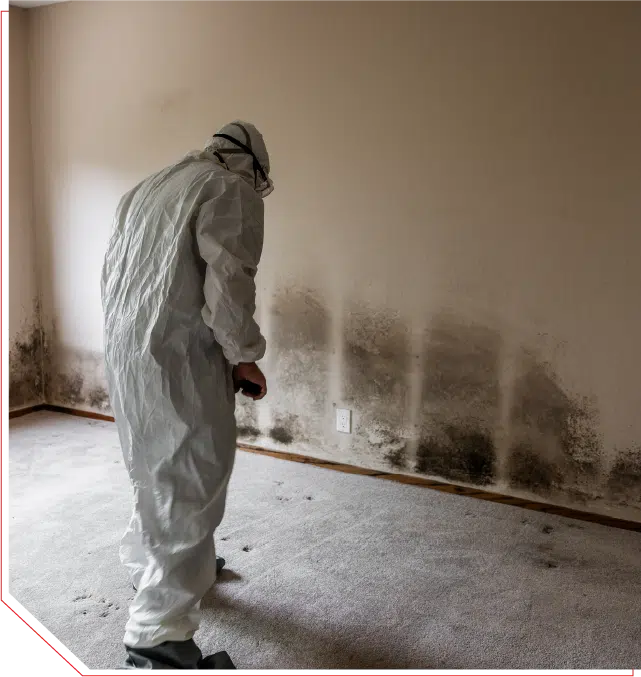
Black, green, gray, white, or brownish patches on concrete walls, wood framing, drywall, ceiling tiles, stored items, or around the base of water heaters, HVAC units, or sump pumps all indicate active mold colonies that require professional remediation.
Water stains or efflorescence on basement walls.
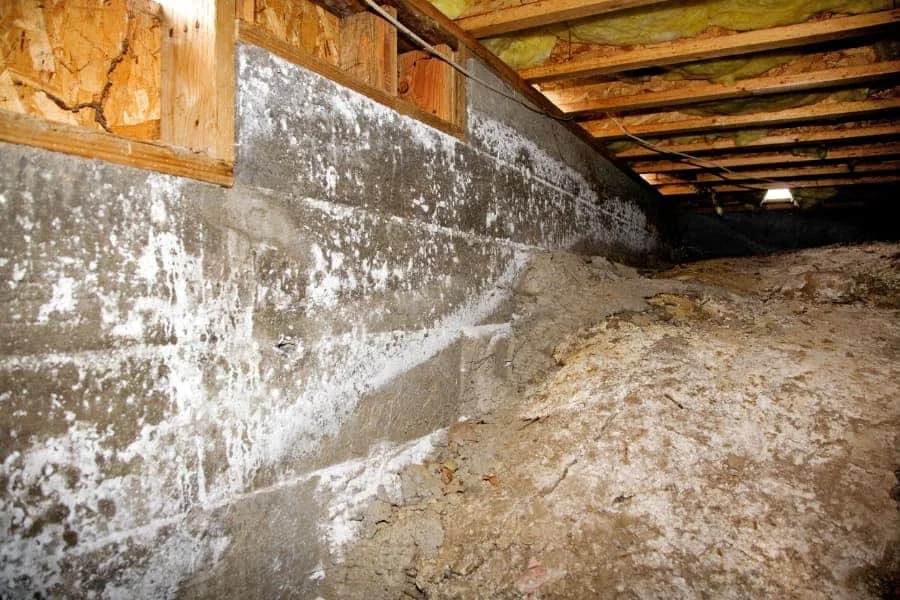
White, chalky mineral deposits on basement walls, a condition called efflorescence, form when water migrates through concrete and evaporates, leaving minerals behind. This is direct evidence of ongoing moisture intrusion and one of the strongest predictors of basement mold development in Charlotte homes.
Rust staining on concrete floors or metal components.
Rust forming on floor anchors, support column bases, or other metal elements in your basement indicates sustained moisture exposure at floor level precisely the conditions under which mold colonizes the base of walls and flooring systems.
Peeling paint or bubbling drywall.
Paint separating from basement walls and drywall that appears warped, soft, or discolored almost always indicates moisture trapped within or behind the wall, frequently accompanied by hidden mold growth on the paper facing of the drywall or the wood framing behind it.
A recent flooding or water intrusion event
If your Charlotte basement has experienced any flooding, whether from heavy rain, a burst pipe, an overflowing appliance, a sump pump failure, or a sewage backup and the space was not professionally dried within 24 to 48 hours, mold remediation should be considered a near-certainty rather than a possibility.
Worsening allergy or asthma symptoms among household members
When respiratory symptoms are worse at home than elsewhere and improve when people leave the house, airborne mold contamination from the basement is among the most common explanations.
Our Basement Mold Remediation Process in Charlotte, NC
Every basement mold remediation project we undertake in Charlotte follows a structured, documented protocol aligned with EPA guidelines, IICRC S520 standards, and the guidelines of the American Conference of Governmental Industrial Hygienists. There are no shortcuts, no surface-only treatments, and no projects considered complete without independent laboratory clearance verification.
Comprehensive Basement Mold Inspection
Our certified inspector conducts a thorough assessment of your entire basement environment using professional-grade moisture meters, thermal imaging cameras, and hygrometers. We examine every surface, concrete walls and floors, wood framing, drywall, ceiling assemblies, HVAC components, and stored materials to locate both visible mold growth and hidden contamination within wall cavities or beneath flooring systems. We identify and document every moisture source contributing to the problem, because a remediation plan that does not account for all moisture pathways will produce results that do not last.
Mold Testing and Species Identification
Where the inspection indicates active contamination or hidden growth, our specialists collect air samples, surface swab samples, and tape lift samples and submit them to an independent, accredited laboratory for analysis. This professional mold testing tells us precisely which species are present in your Charlotte basement, at what spore concentrations, and how far contamination has traveled through your indoor air. Knowing the species matters, Stachybotrys and certain Aspergillus strains require enhanced protective protocols and more rigorous clearance standards than less hazardous species.
Containment and Negative Air Pressure Establishment
Before any removal work begins, we seal the basement remediation zone with reinforced polyethylene sheeting and establish negative air pressure using HEPA-filtered negative air machines. This engineering control prevents mold spores disturbed during removal from migrating into the upper levels of your Charlotte home. Proper containment is not optional — it is what separates professional remediation from amateur cleanup efforts that spread contamination further through the house.
Continuous HEPA Air Filtration
Commercial-grade HEPA air scrubbers operate continuously throughout the entire project duration, capturing airborne mold spores, mycotoxins, and fine particulate matter generated during removal activities. This maintains controlled air quality within the work zone and ensures that the technicians working in your basement are protected throughout the process.
Mold Removal and Safe Disposal of Contaminated Materials
All porous materials that have sustained mold contamination — drywall, insulation, wood framing sections, carpeting, padding, ceiling tiles — are carefully removed, double-bagged in sealed polyethylene bags, and disposed of in full compliance with Charlotte and Mecklenburg County regulations. Porous materials cannot be effectively cleaned of mold; they must be removed. Non-porous surfaces including concrete walls, concrete floors, metal support columns, and glass are treated with EPA-registered antimicrobial and antifungal products that eliminate surface colonies and inhibit future biological growth. HEPA vacuuming of all treated surfaces captures any residual spores that would otherwise remain after the primary removal phase.
Moisture Source Resolution and Structural Drying
This is the step that most determines whether your basement mold remediation produces permanent results or temporary ones. Removing mold without resolving the moisture conditions that produced it guarantees recurrence. Every Charlotte basement mold remediation project we complete includes full resolution of the identified moisture sources whether that means sealing foundation cracks with hydraulic cement or polyurethane injection, correcting exterior grading, repairing or replacing a failing sump pump, improving drainage around the foundation perimeter, or addressing HVAC condensation issues. Following moisture source resolution, industrial-grade dehumidifiers bring basement relative humidity down to and sustain it within the EPA-recommended range of 30 to 50 percent. The space is fully structurally dried before any restoration work begins.
Post-Remediation Clearance Testing
When all remediation work is complete, we conduct final air and surface sampling and submit the samples to the independent laboratory. Only when the laboratory results confirm that mold spore concentrations in your Charlotte basement have returned to normal, acceptable baseline levels comparable to or better than outdoor air quality, do we issue written clearance documentation. This independent verification is not a formality. It is the objective proof that your basement is genuinely safe, and it protects you in any future real estate transaction or insurance situation involving the property.
Basement Waterproofing and Moisture Control in Charlotte, NC
Mold remediation and basement waterproofing are inseparable disciplines for Charlotte homeowners, and any company that offers one without the other is selling you half a solution. Once your basement has been remediated, the single most important factor in whether mold returns is how effectively moisture is managed in that space going forward. Our comprehensive moisture control services for Charlotte basements include the following.
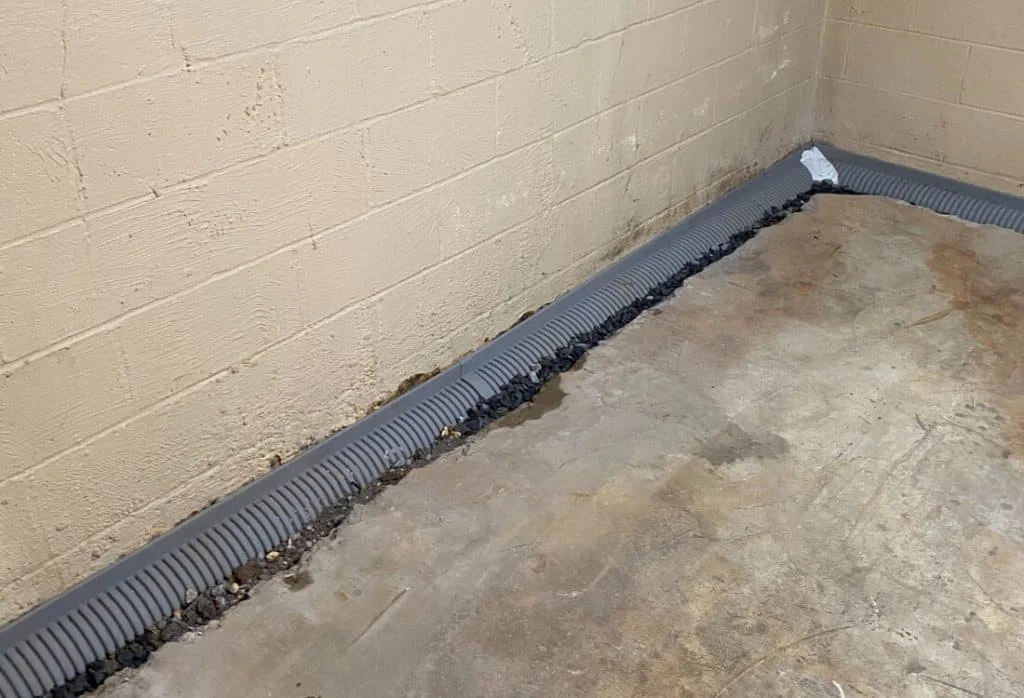
Interior drainage system installation.
A properly designed interior perimeter drainage channel captures water that infiltrates through the foundation walls or rises through the floor slab and directs it to a sump pit for removal, keeping the basement floor and walls dry regardless of exterior ground moisture conditions.
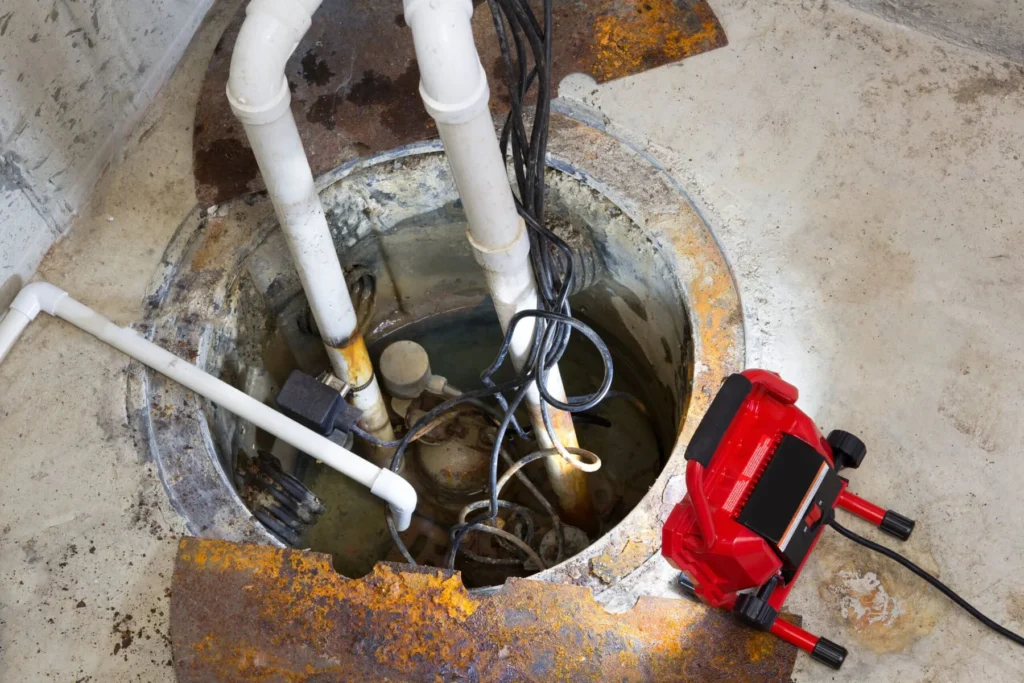
Sump pump installation and replacement
A functioning sump pump is the mechanical backbone of any Charlotte basement waterproofing system. We install primary sump pumps, battery backup systems that protect the basement during power outages, which are precisely the moments when heavy rain events are also occurring, and combination systems designed for basements with high water table exposure.
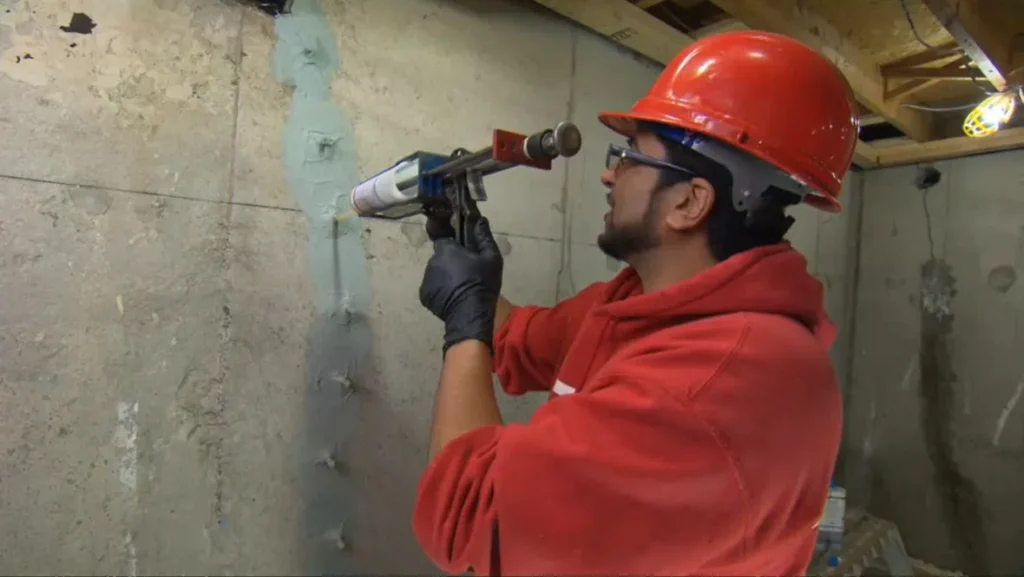
Foundation crack injection and sealing
Hairline cracks and structural cracks in poured concrete or concrete block foundation walls are primary pathways for water intrusion. We seal them using hydraulic cement for active leaks and polyurethane or epoxy injection for non-active cracks, stopping moisture infiltration at the source.
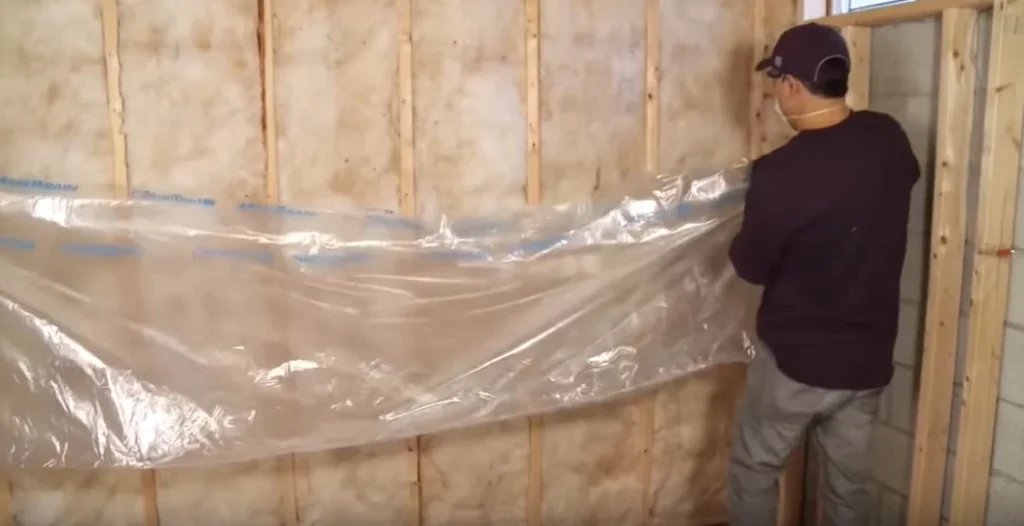
Wall vapor barriers
Heavy-duty dimple mat or sheet vapor barriers applied to basement walls prevent moisture transmission through the foundation while directing any infiltrating water downward to the drainage system rather than allowing it to contact finished wall surfaces.
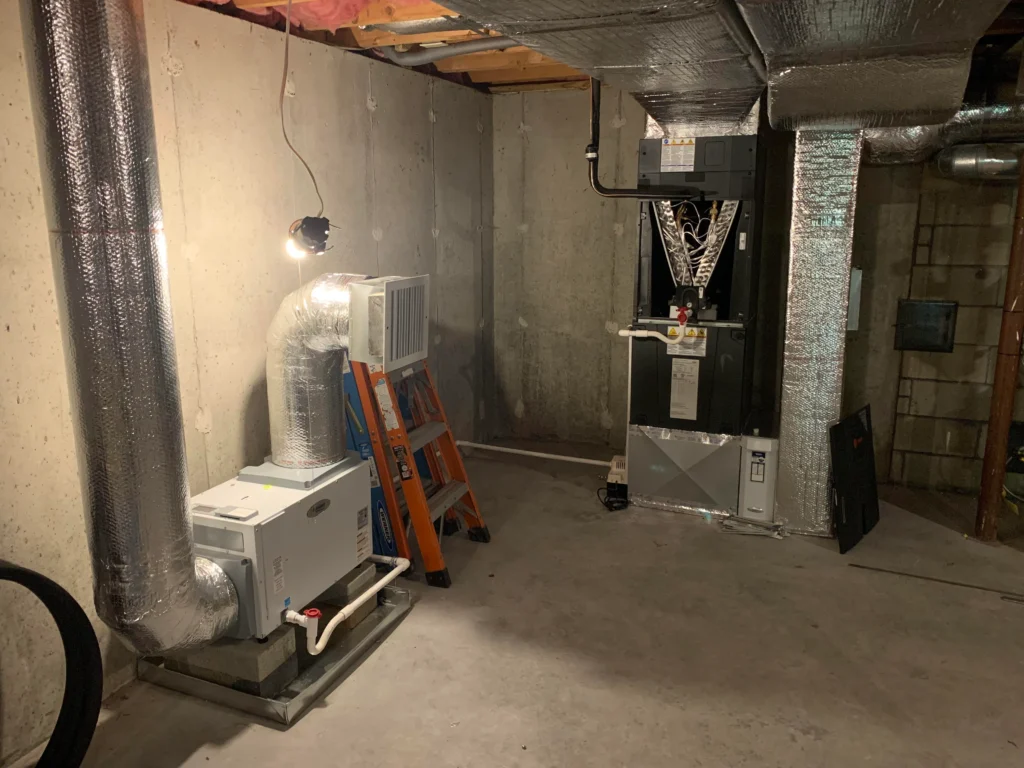
Dehumidification systems
Whole-basement dehumidification units, properly sized for the square footage and moisture load of your specific Charlotte basement, maintain the relative humidity at levels that prevent mold growth year-round without requiring manual monitoring or intervention.
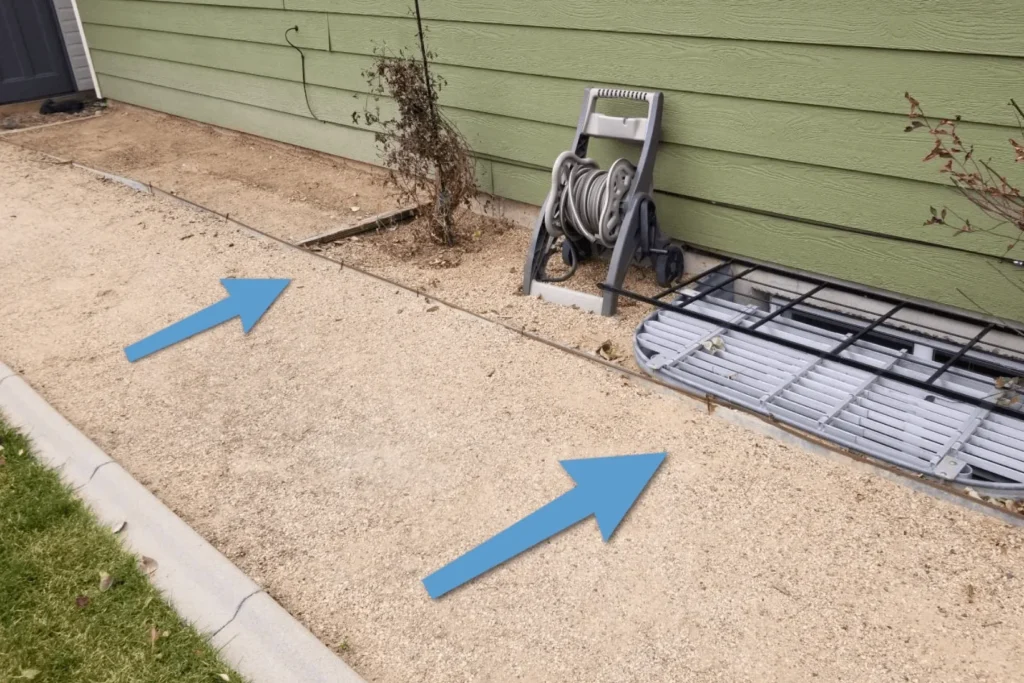
Exterior grading and drainage assessment
Improperly graded exterior landscaping that directs surface runoff toward the foundation rather than away from it is one of the most correctable and most commonly overlooked contributors to Charlotte basement moisture problems. We assess exterior conditions and provide specific recommendations for correcting drainage issues that are driving water into your below-grade space.
How Much Does Basement Mold Remediation Cost in Charlotte, NC?
The cost of basement mold remediation in Charlotte, NC is determined by several interconnected factors: the square footage of contaminated area, the specific mold species identified, the location and accessibility of the growth, the extent of structural material removal required, and whether waterproofing or drainage work is needed alongside the remediation itself.
As a general guide for Charlotte homeowners budgeting for this work, minor basement mold affecting a limited area of less than 50 square feet with no structural material removal required typically falls in the range of $500 to $1,500. Moderate infestations covering 50 to 200 square feet and requiring drywall or insulation removal generally range from $1,500 to $3,500. Severe basement mold infestations involving extensive structural material removal, black mold protocols, and comprehensive moisture control work can range from $3,500 to $7,000 or more depending on the scope.
A professional mold inspection and air quality testing in Charlotte ranges from $245 to $835 and is always money well spent, it tells you exactly what you are dealing with before any remediation costs are committed, and it prevents overpaying for unnecessary work or underpaying for insufficient treatment.
If your basement mold resulted from a covered water damage event, a burst pipe, appliance failure, storm-related flooding, or a sump pump malfunction that caused a sudden water intrusion, your homeowners insurance policy may cover a substantial portion of the remediation cost. Our team works directly with insurance adjusters, provides complete moisture documentation, before-and-after photography, and laboratory reports to support your claim and maximize your coverage wherever it applies.


Basement Mold Prevention for Charlotte, NC Homeowners
The most cost-effective basement mold remediation is the one you never need. For Charlotte homeowners who have recently completed remediation or who want to proactively protect a currently mold-free basement, these are the highest-impact prevention measures.
Maintain basement relative humidity consistently below 50 percent using a properly sized whole-basement dehumidifier, and monitor it regularly with a hygrometer rather than relying on feel alone. Inspect your sump pump at least twice per year and before the heavy spring rain season, test it by pouring water into the pit and confirming it activates and discharges correctly. Ensure all downspouts discharge at least six feet from the foundation and that the exterior grade slopes away from the structure rather than toward it.
Seal any visible cracks in foundation walls or the floor slab promptly rather than waiting to see whether they worsen. Inspect basement windows and window wells after heavy rain events for any evidence of infiltration. Insulate cold water pipes that run through the basement to eliminate condensation on their surfaces. If your basement connects to a crawl space, ensure the crawl space is properly encapsulated with a vapor barrier and that the encapsulation is intact, a compromised crawl space vapor barrier is a direct moisture feed into your basement environment.
Address any plumbing leak, no matter how minor it appears, within 24 hours of discovery. A slow drip inside a wall cavity in a Charlotte basement can produce significant mold contamination within two to three weeks.
Schedule Your Free Basement Mold Inspection in Charlotte, NC Today
A basement mold problem identified early costs dramatically less to resolve and causes dramatically less harm to your property and your family than one that has been spreading unchecked for months. Do not wait for visible growth to cover your walls or for health symptoms to escalate before you take action.
Call us today to schedule your free professional basement mold inspection in Charlotte, NC. Our IICRC certified specialists will walk your basement thoroughly, locate every area of active or hidden contamination, identify every moisture pathway contributing to the problem, and give you a clear, honest, and fully itemized remediation plan with complete pricing transparency before any work begins.

Areas We Serve
Same-day and emergency appointments are available for urgent situations. We serve Charlotte and the surrounding region including Ballantyne, Huntersville, Matthews, Concord, Kannapolis, Mint Hill, Gastonia, Mooresville, Indian Trail, Cornelius, Davidson, Monroe, and Rock Hill, SC. Your basement should be a safe, dry, usable part of your home. We are here to make sure it is.
Frequently Asked Questions about Basement Mold Remediation Charlotte, NC
What is the difference between basement mold remediation and basement mold removal in Charlotte, NC?
Basement mold removal refers to the physical act of removing visible mold from surfaces. Basement mold remediation is the complete process, such as inspection, testing, containment, removal, antimicrobial treatment, moisture source resolution, structural drying, and post-remediation clearance testing. In a Charlotte basement, mold removal without remediation almost always means the mold returns within weeks or months because the moisture conditions driving the growth have not been corrected.
How long does basement mold remediation take in Charlotte, NC?
Most residential basement mold remediation projects in Charlotte are completed within two to five days depending on the size of the affected area and the extent of structural material removal required. Severe infestations involving widespread contamination and significant waterproofing work may take longer. Post-remediation clearance testing through an independent laboratory adds one to three business days for results before final clearance documentation is issued.
Can basement mold in Charlotte, NC come back after professional remediation?
If the moisture source driving the mold growth is properly identified and corrected during remediation, recurrence is unlikely. If it is not corrected or if new moisture pathways develop after remediation ,mold can and will return. This is why our basement mold remediation service in Charlotte always includes moisture source resolution as a core component of the project, not an optional add-on.
Is black mold in a Charlotte basement more dangerous than other mold types?
Yes. Stachybotrys chartarum produces trichothecene mycotoxins that pose more serious health risks than the allergens produced by most other common mold species. Black mold remediation requires enhanced personal protective equipment, stricter containment protocols, and more rigorous post-remediation clearance standards. If you suspect black mold in your Charlotte basement, do not disturb the area, contact a certified specialist immediately.
How do I know if my homeowners insurance covers basement mold remediation in Charlotte, NC?
Coverage depends on the cause of the mold. If basement mold resulted directly from a sudden, accidental water event, such as a burst pipe, appliance leak, or unexpected flooding, your policy will often cover remediation costs. Mold from long-term moisture accumulation, gradual leaks, or chronic high humidity is typically excluded. Our team reviews your situation, communicates directly with your adjuster, and provides all required documentation to support coverage wherever your policy allows it.
Should I use the same company for basement mold testing and basement mold remediation in Charlotte, NC?
Industry best practice and consumer protection guidelines generally recommend using independent companies for mold testing and mold remediation to eliminate the conflict of interest that exists when one company profits from both identifying and resolving the problem. We work with and can refer you to trusted independent mold testing professionals in Charlotte, and we welcome the accountability that third-party clearance testing provides on every project we complete.