Commercial Mold Remediation Charlotte, NC – Certified Commercial Mold Removal Experts Protecting Charlotte Businesses
Commercial mold remediation in Charlotte, NC is the certified, professionally managed process of inspecting, containing, removing, and treating mold growth in commercial properties including office buildings, retail spaces, restaurants, warehouses, schools, medical facilities, and multi unit residential buildings to restore a safe, compliant, and fully operational indoor environment while minimizing business disruption and protecting property owners from regulatory liability. Our IICRC certified commercial mold remediation team serves business owners, commercial property managers, landlords, facility managers, and institutional clients throughout Charlotte and Mecklenburg County with thorough, fully documented, and operationally sensitive commercial mold remediation services that understand your bottom line as clearly as they understand mold.
Why Commercial Mold Remediation in Charlotte, NC Is a Different Problem Than Residential Mold?
Every mold problem shares the same biological reality.
Mold needs moisture, an organic food source, and the right temperature to grow, and Charlotte’s humid subtropical climate provides all three conditions with remarkable consistency year round. But the consequences of mold in a commercial property in Charlotte are categorically different from mold in a residential home, and they demand a categorically different remediation approach.
When mold grows in a Charlotte commercial property, you are not just dealing with a building problem.
You are dealing with a business continuity problem, a workforce health and liability problem, a regulatory compliance problem, and in many cases a reputation problem that can affect your business long after the mold itself has been removed. A commercial property owner or business operator who discovers mold in their building and fails to act promptly and professionally faces not only the cost of remediation but potential regulatory citations, employee workers compensation claims, tenant health complaints, and civil liability exposure that can dwarf the cost of remediation itself.
The Occupational Safety and Health Administration requires employers to maintain workplaces free from recognized hazards that are causing or likely to cause serious physical harm to employees. Indoor mold in sufficient concentration qualifies as exactly that kind of recognized hazard under OSHA’s General Duty Clause. The North Carolina Department of Labor enforces these obligations for businesses operating throughout the Charlotte metro area and Mecklenburg County.
Beyond regulatory exposure, the operational disruption that commercial mold creates is a direct cost that grows every day action is delayed. Every hour your office is shut down, your restaurant fails a health inspection, your retail space is inaccessible to customers, or your warehouse crew is unable to work safely is a measurable revenue loss that a well executed commercial mold remediation plan can dramatically minimize through careful scheduling, phased work sequencing, and efficient project management.
Commercial Properties We Serve for Mold Remediation in Charlotte, NC
Our commercial mold remediation team has experience working across every major commercial property type in the Charlotte market. We understand the unique operational constraints, regulatory requirements, and mold risk profiles of each property category.
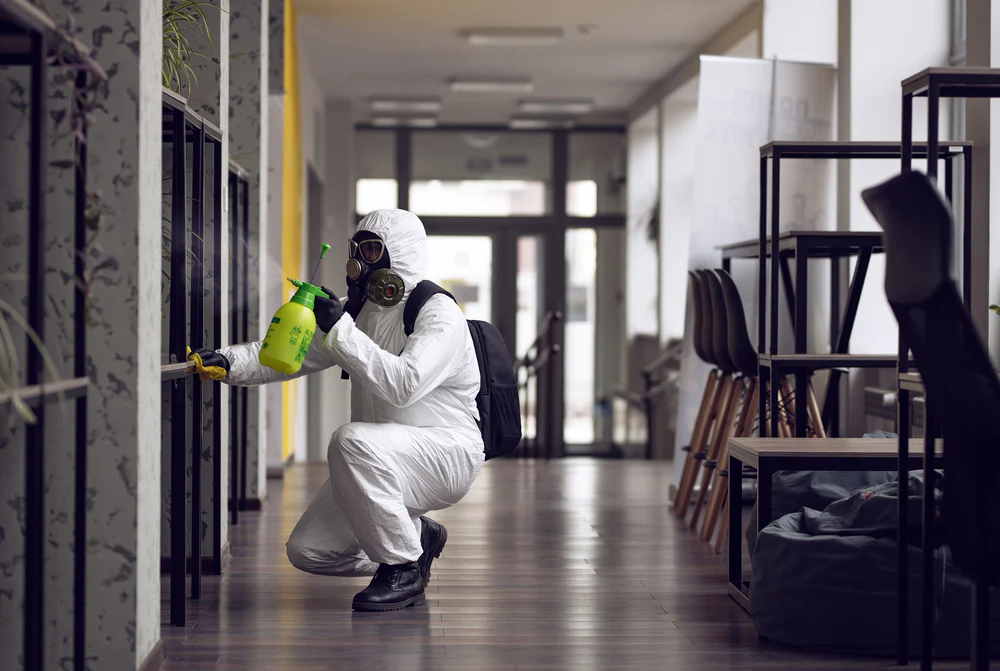
Office Buildings and Corporate Facilities
Charlotte’s office market, anchored by the Uptown central business district and extending through major suburban corridors including South Charlotte, Ballantyne, and University City, contains millions of square feet of commercial office space housed in properties ranging from historic low rise buildings to modern Class A towers. Mold in office buildings most commonly originates from HVAC system condensation issues, roof leaks, plumbing failures, and perimeter wall moisture intrusion in older buildings. We plan all office building commercial mold remediation work around your occupancy schedule, prioritizing after hours and weekend work where operationally required to keep your business running with minimal disruption.
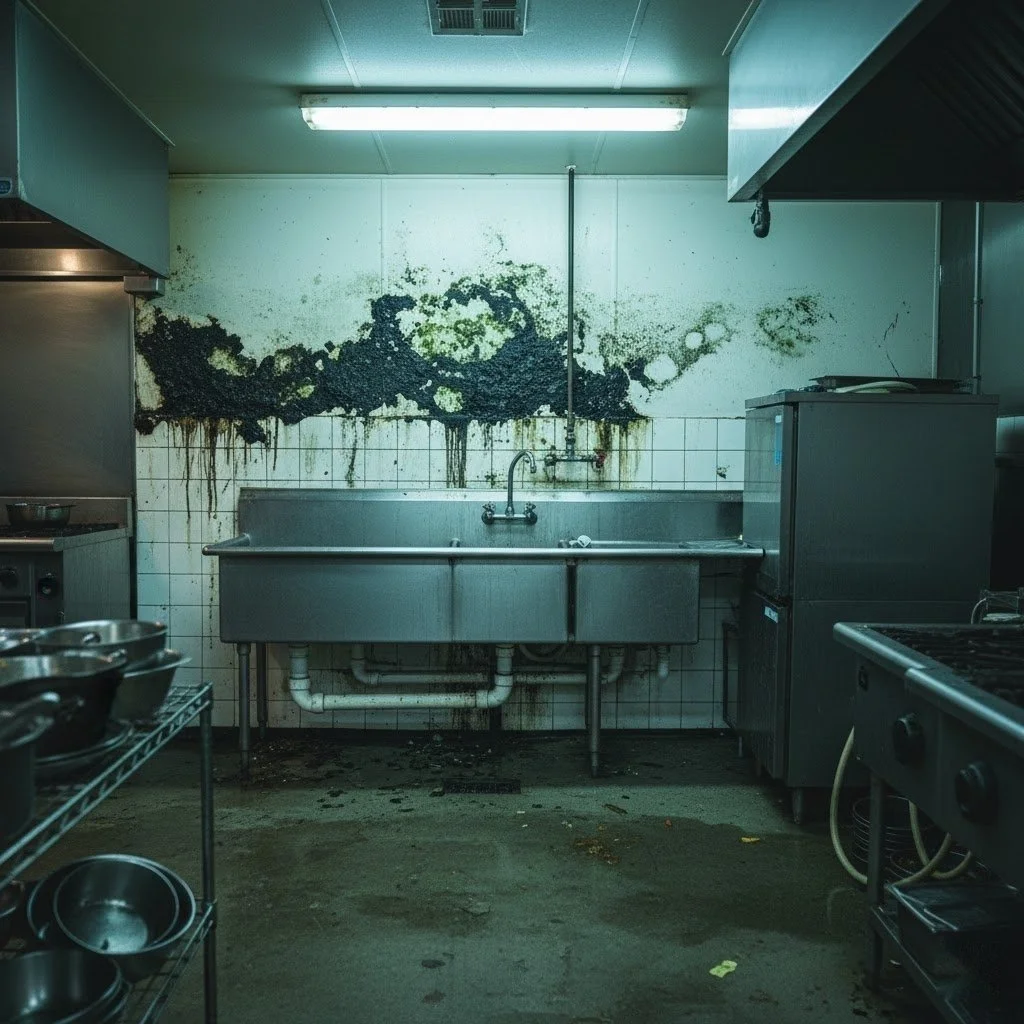
Restaurants and Food Service Facilities
Mold in a Charlotte restaurant is not just a health and safety issue. It is a health code compliance emergency that can result in immediate closure by Mecklenburg County Public Health if discovered during a routine inspection. Restaurants operate in inherently high moisture environments with commercial dishwashing, cooking steam, walk-in cooler condensation, and drain line issues all contributing to mold risk in walls, ceilings, under equipment, and in storage areas. Our commercial mold remediation team understands the urgency of restaurant mold situations and the specific regulatory requirements that apply to food service facilities in Mecklenburg County. We work to restore your food service operation to full compliance as quickly as possible.

Retail Spaces and Shopping Centers
Retail tenants and shopping center owners in Charlotte face unique challenges with commercial mold remediation because mold discovered in a retail space affects not only the property owner but the tenant’s operations, their customers, and in multi tenant centers, potentially adjacent tenants. We work with both property owners and retail tenants to coordinate mold remediation in a way that minimizes retail downtime and addresses the moisture source in the building envelope or mechanical systems that allowed the mold to develop.
Multi Unit Residential and Apartment Complexes
Charlotte’s apartment market has grown dramatically with the city’s population expansion, and large multi unit residential properties present complex commercial mold remediation challenges. Mold in one unit from a plumbing leak or HVAC failure can spread through shared wall cavities, ceiling plenum spaces, and ventilation systems to affect multiple adjacent units. Our commercial mold remediation team has the crew size, equipment inventory, and project management experience to handle multi unit residential mold remediation at scale while coordinating tenant communication, temporary relocation where necessary, and insurance claim documentation for property management companies and real estate investment firms.
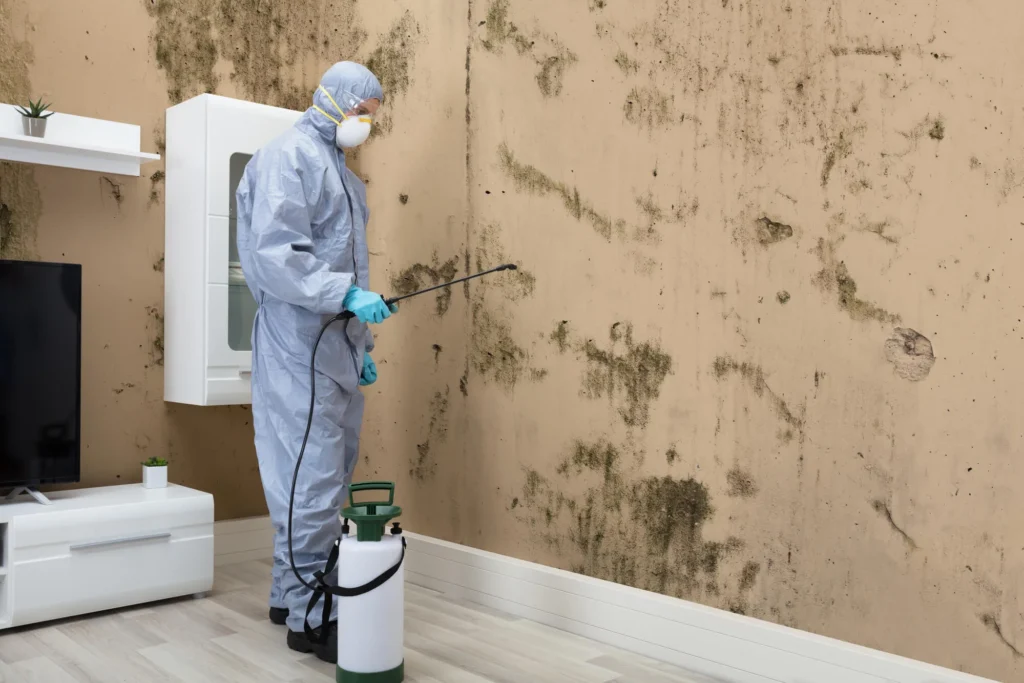
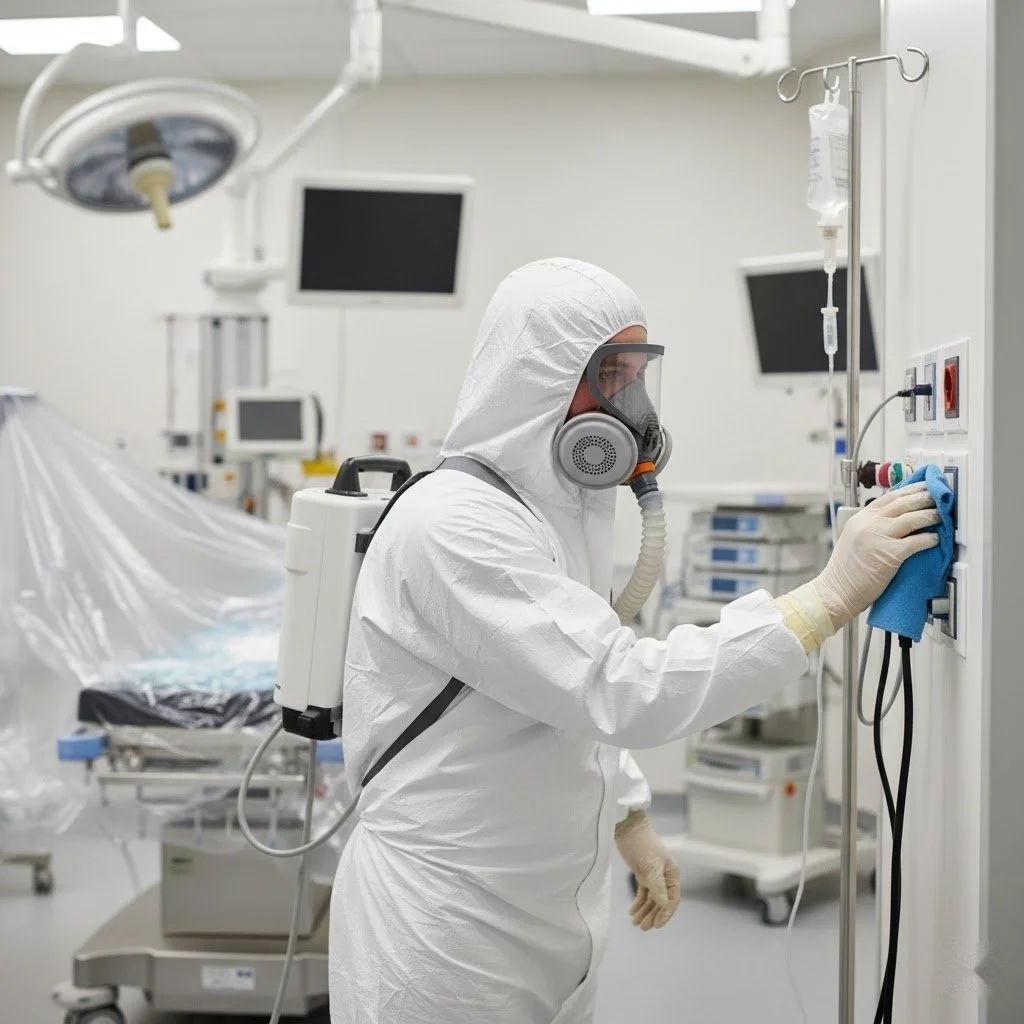
Healthcare Facilities and Medical Offices
Mold in a healthcare environment is among the most serious commercial mold situations that exists because patients with compromised immune systems, active respiratory conditions, or post surgical vulnerability face potentially life threatening exposure risks from mold contamination that would pose only moderate risks to healthy adults. Medical offices, outpatient surgical centers, dialysis centers, dental practices, and other healthcare facilities in the Charlotte area that discover mold must respond immediately and must use remediation protocols that meet the elevated standards applicable to healthcare environments. Our team understands these elevated requirements and brings the containment rigor and documentation standards that healthcare facility compliance demands.
Schools, Universities, and Educational Facilities
Mold in a Charlotte area school or educational facility triggers obligations to the North Carolina Department of Public Instruction, potential parental notification requirements, and the same OSHA General Duty obligations that apply to any workplace. Children are among the most vulnerable populations for mold health effects, and school administrators who discover mold in classrooms, gymnasiums, locker rooms, or mechanical rooms face pressure to act quickly, communicate transparently, and document everything. Our commercial mold remediation team provides the rapid response, complete documentation, and clear communication support that school facility managers and administrators need in these high pressure situations.
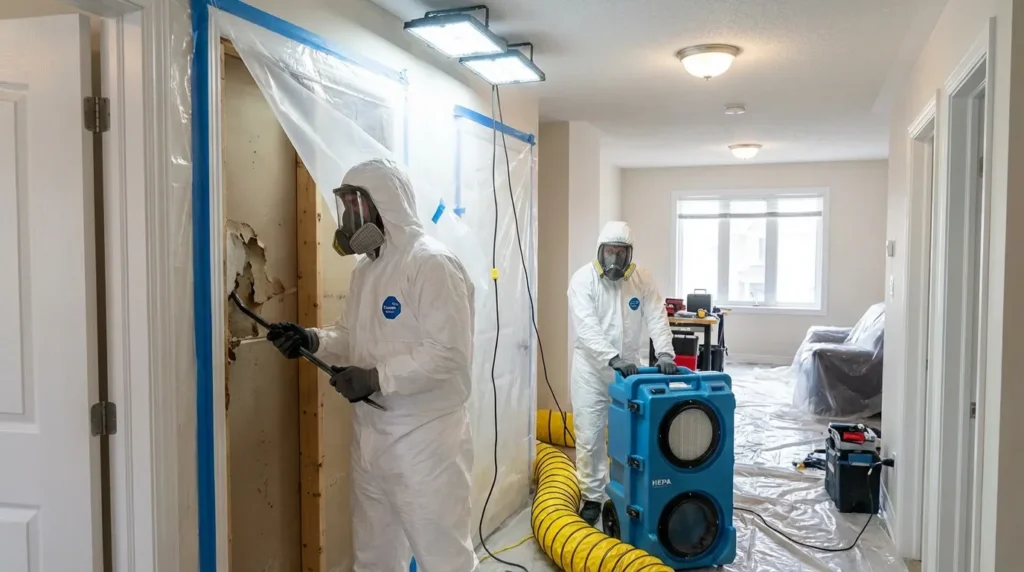

Warehouses and Industrial Facilities
Large warehouse and industrial properties in the Charlotte metro area, particularly those in the Airport area, Steele Creek industrial corridor, and East Charlotte industrial zones, present commercial mold remediation challenges driven by scale, high moisture generating operations, and large HVAC systems that can distribute mold spores across enormous square footage. We have the crew capacity and equipment volume to handle large scale industrial mold remediation efficiently while working around your operational requirements.
Hotels and Hospitality Properties
Mold in a Charlotte hotel property is a reputational emergency as much as a health and safety concern. Online review platforms mean that guests who encounter mold in a hotel room will publicize it within hours, and the lasting damage to a hospitality property’s reputation from a highly visible mold complaint significantly exceeds the cost of professional remediation. We work with hotel general managers and ownership groups to address commercial mold situations with the speed, discretion, and thoroughness that the hospitality industry demands.
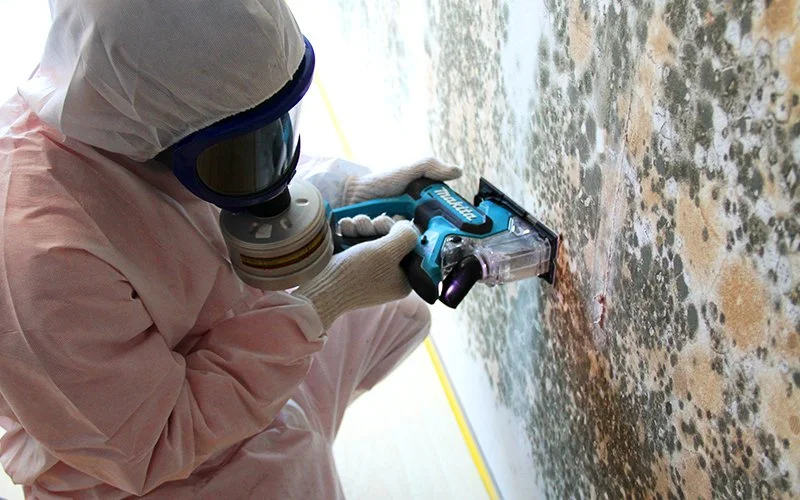
Our Commercial Mold Remediation Process in Charlotte, NC
Our approach to commercial mold remediation in Charlotte follows the IICRC S520 Standard for Professional Mold Remediation adapted for the specific scale, operational constraints, and regulatory requirements of commercial properties. Every commercial project begins with a structured assessment and ends with independent third party clearance verification.
Commercial Mold Assessment and Scope Development
Our certified inspectors conduct a comprehensive assessment of the affected commercial property using thermal imaging cameras, moisture meters, hygrometers, and air sampling equipment to identify all areas of mold growth and all moisture sources contributing to the problem. For large commercial properties we develop a detailed written scope of work that specifies affected areas, remediation methods for each zone, sequencing of work phases, equipment requirements, and a realistic project timeline. This written scope is provided before any remediation work begins and serves as the basis for your commercial insurance claim documentation.
Business Continuity Planning
Before any commercial mold remediation work begins in a Charlotte business or commercial property, we develop a business continuity plan with you that identifies which areas of the property can remain operational during remediation, which phases of work can be scheduled during off hours to minimize disruption, and how the sequencing of containment zones can allow maximum continued business operation throughout the project. This is not a generic plan. It is specific to your business operations, your tenant obligations if applicable, and your regulatory compliance requirements.
Large Scale Commercial Containment
Commercial mold remediation requires containment solutions scaled to the size of the building and the operational constraints of the business. We establish polyethylene containment barriers with negative air pressure and HEPA filtered exhaust, sized and positioned to allow continued business operation in unaffected areas while fully isolating the remediation zones. For multi floor or multi zone commercial projects we run simultaneous containment areas with dedicated crew assignments for each zone to maximize efficiency and minimize total project duration.
Commercial Grade Air Filtration
We deploy multiple commercial grade HEPA air scrubbers throughout the project, sized to achieve the air changes per hour required by the IICRC S520 standard for the cubic footage of each containment zone. In commercial properties with large open floor plans, high ceilings, or complex air handling configurations, air filtration planning is particularly important for preventing cross contamination between the remediation zone and occupied business areas.
Material Removal and Commercial Waste Disposal
All mold infested materials are removed and disposed of in compliance with Mecklenburg County and North Carolina state regulations governing commercial construction waste and contaminated material disposal. For large commercial projects involving significant quantities of contaminated drywall, insulation, flooring, or ceiling tile, we coordinate with licensed waste disposal contractors to ensure full regulatory compliance with material handling and transportation requirements.
Antimicrobial Treatment of Commercial Structures
All structural surfaces in affected areas receive treatment with EPA registered commercial grade antifungal and antimicrobial solutions following material removal. For commercial properties we use products specifically formulated and tested for commercial building applications and appropriate for the occupancy type of the facility, including healthcare grade formulations where the property type requires them.
Structural Drying and Moisture Source Correction
Commercial properties present more complex moisture source scenarios than residential properties. We identify and document every moisture source contributing to the commercial mold problem whether it is a failing rooftop HVAC unit, a compromised building envelope, a plumbing system failure, a parking deck drain issue directing water toward occupied spaces, or chronically elevated humidity in a high occupancy commercial space. We either correct the moisture source directly or coordinate with your building contractor, mechanical engineer, or facilities management team to ensure complete moisture source resolution before the project closes.
Independent Clearance Testing and Commercial Documentation
Every commercial mold remediation project we complete in Charlotte, NC concludes with independent post remediation clearance testing conducted by an accredited third party laboratory. Air and surface samples are collected by our team and submitted for analysis. Final clearance documentation is issued only when laboratory results confirm that mold spore concentrations have returned to acceptable baseline levels throughout all affected areas of the commercial property. This clearance documentation is provided in a format appropriate for submission to insurance carriers, regulatory bodies, commercial lenders, property management companies, and any other parties requiring evidence of successful commercial mold remediation.
Why a Professional Mold Inspection in Charlotte, NC Is Not Optional?
Charlotte commercial property owners and business operators need to understand the regulatory framework that applies to commercial mold situations in North Carolina and Mecklenburg County.
The Occupational Safety and Health Administration’s General Duty Clause requires employers to provide workplaces free from recognized serious hazards.
While OSHA does not have a specific permissible exposure limit for mold, its enforcement position treats significant indoor mold contamination as a General Duty violation when the employer knew or should have known of the hazard and failed to address it. North Carolina operates its own OSHA program through the NC Department of Labor, which has authority to inspect and cite Charlotte area businesses for workplace mold hazards.
The North Carolina Building Code and Mecklenburg County building regulations impose obligations on commercial property owners regarding maintenance of structural systems, moisture control, and habitability of commercial spaces. Commercial landlords who allow mold to develop and persist in tenant spaces face potential breach of lease claims, constructive eviction arguments, and liability for tenant damages.
For food service facilities specifically, Mecklenburg County Public Health conducts regular inspections of Charlotte restaurants and food service operations and has authority to require immediate corrective action or impose closure for mold violations that present a food safety risk.
Our commercial mold remediation documentation package is specifically designed to address all of these regulatory dimensions and provide Charlotte commercial property owners and business operators with the evidence they need to demonstrate prompt, professional, and compliant response to a commercial mold situation.
Multi Unit Residential and Apartment Complexes
Charlotte’s apartment market has grown dramatically with the city’s population expansion, and large multi unit residential properties present complex commercial mold remediation challenges. Mold in one unit from a plumbing leak or HVAC failure can spread through shared wall cavities, ceiling plenum spaces, and ventilation systems to affect multiple adjacent units. Our commercial mold remediation team has the crew size, equipment inventory, and project management experience to handle multi unit residential mold remediation at scale while coordinating tenant communication, temporary relocation where necessary, and insurance claim documentation for property management companies and real estate investment firms.
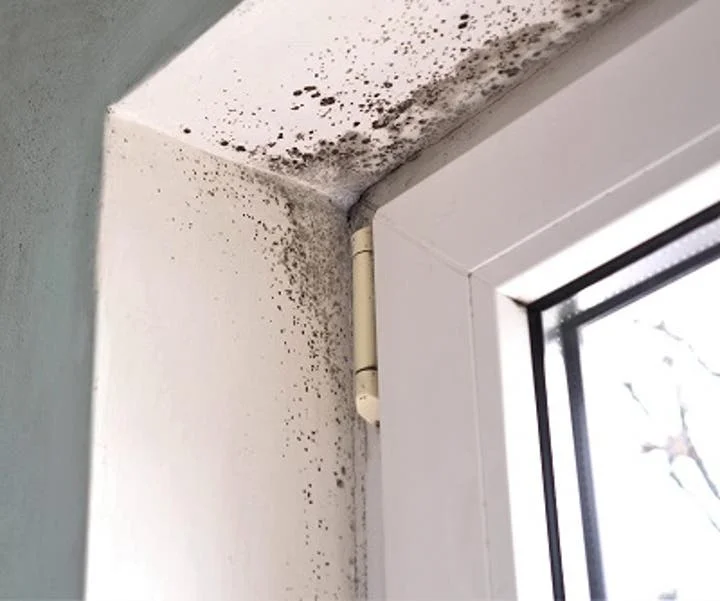
How Our Mold Inspection Connects to Mold Remediation in Charlotte, NC?
Commercial property insurance policies in North Carolina treat mold remediation differently from personal lines homeowners policies and the distinctions matter significantly for Charlotte business owners managing a commercial mold claim.
Commercial property policies typically cover mold remediation costs when the mold resulted from a covered cause of loss such as a sudden accidental discharge of water from a plumbing system, roof damage from a covered storm event, or fire suppression system discharge. Many commercial policies include specific mold sublimits that cap covered mold remediation costs at amounts significantly below the policy’s overall property coverage limit. Understanding your commercial policy’s mold coverage structure before a loss event occurs is important for realistic financial planning.

Our commercial mold remediation team works directly with commercial insurance adjusters, risk managers, and commercial property claims specialists throughout the Charlotte market. We provide complete and properly formatted documentation including moisture readings, thermal imaging reports, air sampling results, scope of work documentation, and material removal records in the format that commercial insurance carriers require for claim processing. We communicate directly with your adjuster throughout the project to ensure the claim process moves forward efficiently alongside the remediation work.
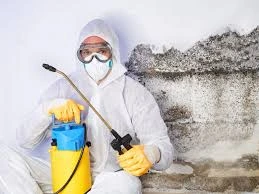
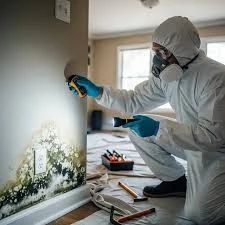
Why Charlotte Businesses Choose Us for Commercial Mold Remediation?
There are several mold remediation companies operating in the Charlotte market. Here is what distinguishes our commercial mold remediation service from the alternatives.
- We treat commercial mold remediation as a business problem that requires a business solution, not just a technical cleaning problem.
- Our project management approach prioritizes your operational continuity alongside the technical requirements of professional remediation.
- We have the crew capacity and equipment volume to handle large commercial projects without the delays that smaller operations face when scaling up for significant commercial work.
- Our IICRC certifications in Applied Microbial Remediation and Water Damage Restoration confirm that our commercial remediation protocols meet the highest published industry standards.
- We use independent third party laboratory clearance testing exclusively, which means our clearance certifications carry the objective credibility that self issued clearance documentation cannot provide.
- And we are a locally rooted Charlotte company that understands this market, this climate, and the specific commercial property landscape of Mecklenburg County in a way that national franchise operations simply cannot replicate.
Connecting Commercial Mold Remediation to Our Full Service Offering
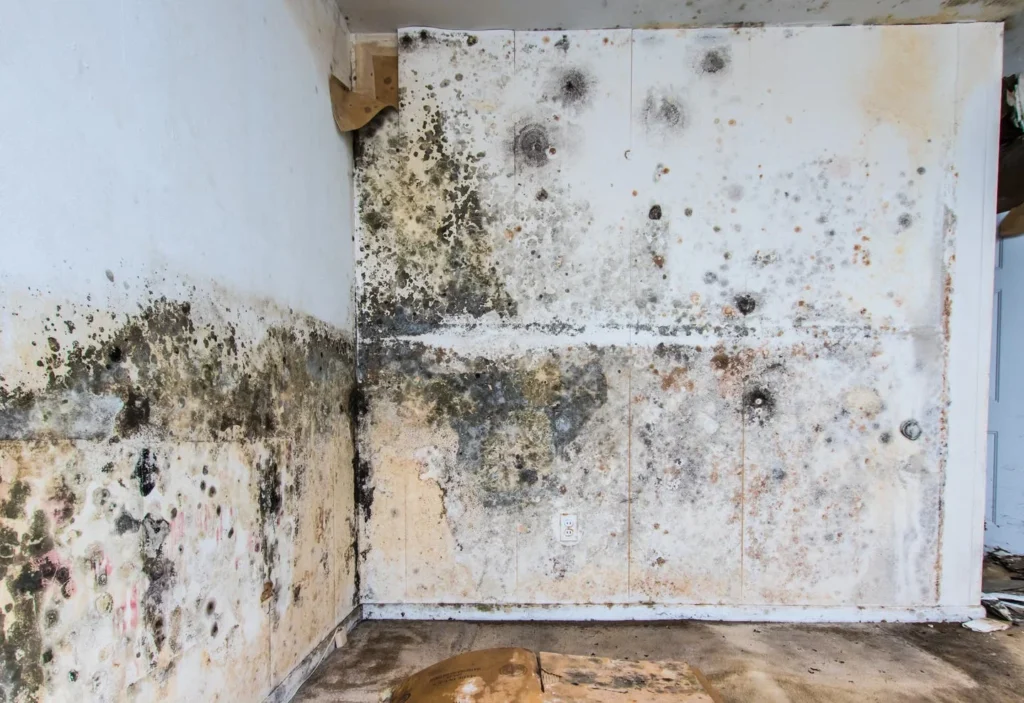
Commercial mold remediation rarely exists in isolation from our broader mold service capabilities. Many commercial mold situations require the specialized expertise of our mold inspection team in Charlotte, NC for initial assessment and post remediation clearance verification. Commercial properties that have experienced water intrusion events frequently need the emergency response capabilities of our emergency mold removal service in Charlotte, NC as the first phase of a broader commercial remediation project. Commercial properties where mold has developed in HVAC systems, crawl spaces, or specific structural areas benefit from the targeted expertise of our mold removal specialists in Charlotte, NC who bring the right equipment and protocol for each specific remediation context.
Serving Commercial Properties Across Charlotte, NC and the Greater Mecklenburg County Region
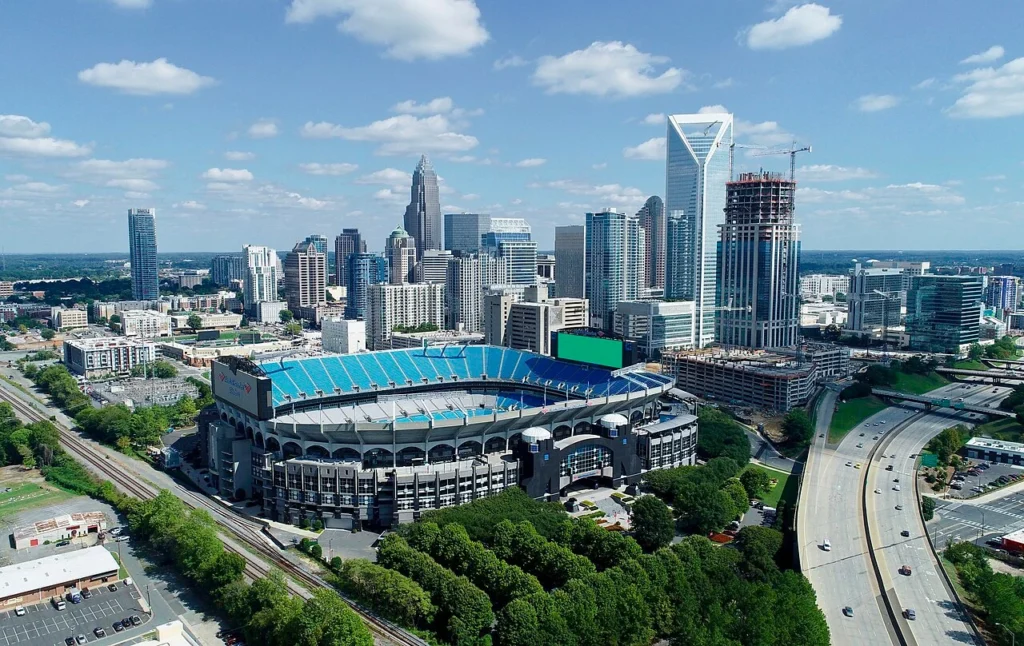
Our commercial mold remediation team serves businesses, commercial property owners, and facility managers throughout Charlotte and all surrounding communities including Huntersville, Matthews, Concord, Kannapolis, Mint Hill, Gastonia, Mooresville, Indian Trail, Cornelius, Davidson, Monroe, and Rock Hill, SC. We have experience working in commercial properties across every Charlotte submarket from Uptown and Midtown to Ballantyne, University City, the Airport corridor, Lake Norman, and the I 85 industrial corridor.
Frequently Asked Questions About Mold Inspection in Charlotte, NC
How long does a mold inspection take in Charlotte, NC?
A thorough professional mold inspection of an average size Charlotte home typically takes between one and three hours depending on the size of the property, the number of areas of concern, and whether air and surface sampling is being performed. Larger commercial properties or homes with multiple problem areas will take longer. Laboratory results from air and surface samples are typically returned within two to five business days after the inspection.
Can I stay in my home during a mold inspection in Charlotte, NC?
Yes, in most cases homeowners and occupants can remain in the property during a standard mold inspection. However, if you or any household member has a known mold sensitivity, respiratory condition, or compromised immune system, it may be advisable to step outside during the collection of air and surface samples to avoid any disturbance of localized spore concentrations.
Do I need a mold inspection before mold remediation in Charlotte, NC?
Yes, always. Proceeding with mold remediation without a proper inspection first means you are remediating without knowing the full extent of the contamination, without confirmed species identification, and without objective documentation of the moisture conditions driving the growth. A proper inspection ensures that the remediation plan addresses every area of contamination and every contributing moisture source, which is the only way to achieve a successful long term outcome.
What should I do to prepare for a mold inspection in Charlotte, NC?
Make all areas of the property accessible including the attic, crawl space, basement, and utility rooms. Do not run HVAC systems for at least two to four hours before air sampling begins, as running the system can dilute indoor air samples and affect accuracy. Do not clean or disturb any areas where you have noticed visible mold or suspicious growth, as surface samples need to be taken from undisturbed areas for accurate species identification. Write down any symptoms household members have been experiencing and note any areas where musty odors are strongest, as this information helps guide the inspection.
How is a mold inspection different from a standard home inspection in Charlotte, NC?
A standard home inspection performed during a real estate transaction covers the general structural and mechanical condition of a property including roofing, electrical, plumbing, and HVAC systems. It does not include specialized mold detection equipment, air sampling, surface sampling, thermal imaging for moisture detection, or laboratory analysis. A certified mold inspection is a completely separate, specialized assessment focused exclusively on identifying mold growth and the moisture conditions that drive it. In Charlotte’s humid climate, having both a standard home inspection and a separate mold inspection before purchasing any property is strongly advisable.
Schedule Your Commercial Mold Assessment in Charlotte, NC Today
A commercial mold problem in your Charlotte business or property is not a situation to monitor and revisit next quarter. Every day of delay increases remediation scope, increases regulatory exposure, extends employee health risk, and compounds the operational and reputational damage the mold situation creates for your business.
Call us today to schedule a professional commercial mold assessment for your Charlotte, NC property. Our certified commercial mold remediation specialists will evaluate your property thoroughly, develop a written scope of work with a realistic timeline and full cost transparency, and execute the remediation with the professionalism, operational sensitivity, and documented thoroughness that Charlotte’s business community deserves. Same day emergency assessment is available for urgent commercial mold situations. Call now and let us protect your business, your employees, and your property.