Crawl Space Mold Remediation Charlotte NC — IICRC Certified Specialists
Crawl space mold remediation in Charlotte, NC is the certified process of inspecting, containing, removing, and permanently resolving mold growth in the below-floor space beneath your home by eliminating both the visible contamination and the specific moisture conditions unique to Charlotte’s climate that caused it to develop in the first place. If you have discovered mold in your Charlotte crawl space, or if a home inspection has flagged fungal growth on your floor joists, subfloor decking, support beams, or vapor barrier, you are dealing with one of the most serious and commonly mishandled problems in the Charlotte area residential market. Crawl space mold is not a surface problem. It is a structural and biological problem that has almost certainly been developing for far longer than you realize, and it requires a certified remediation response that goes well beyond spraying antifungal solution on exposed wood and calling the job complete. Our IICRC certified technicians specialize in crawl space mold remediation across Charlotte, NC and all of Mecklenburg County. Every project we undertake follows a documented, multi-stage protocol aligned with EPA guidelines and IICRC S520 standards, and not a single project is considered complete until independent laboratory clearance testing confirms your crawl space meets safe indoor air quality benchmarks. Call us today for a free crawl space mold inspection in Charlotte, NC and find out exactly what is happening beneath your home.
Why the Crawl Space the Most Dangerous Place in a Charlotte Home for Mold to Develop?
Most Charlotte homeowners never go into their crawl space. They have no idea what condition the space is in, and because the crawl space is physically out of sight, it remains out of mind until a home inspection, a persistent musty odor, or sagging floors makes the problem impossible to ignore any longer. By that point, mold colonies in a typical Charlotte crawl space have often been growing for months or years, consuming the wood structural members that support every floor, wall, and load-bearing surface in the home above.
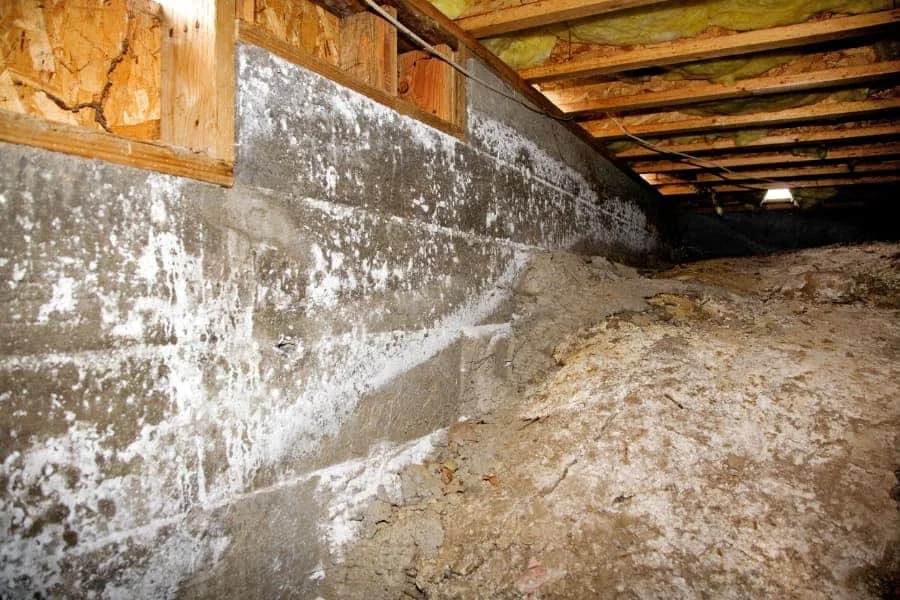
This dynamic makes crawl space mold different in character and consequence from mold found in bathrooms, under sinks, or even in basements. Bathroom mold is inconvenient and unhealthy. Crawl space mold threatens the physical integrity of your entire home while simultaneously degrading the air quality of every room above it.
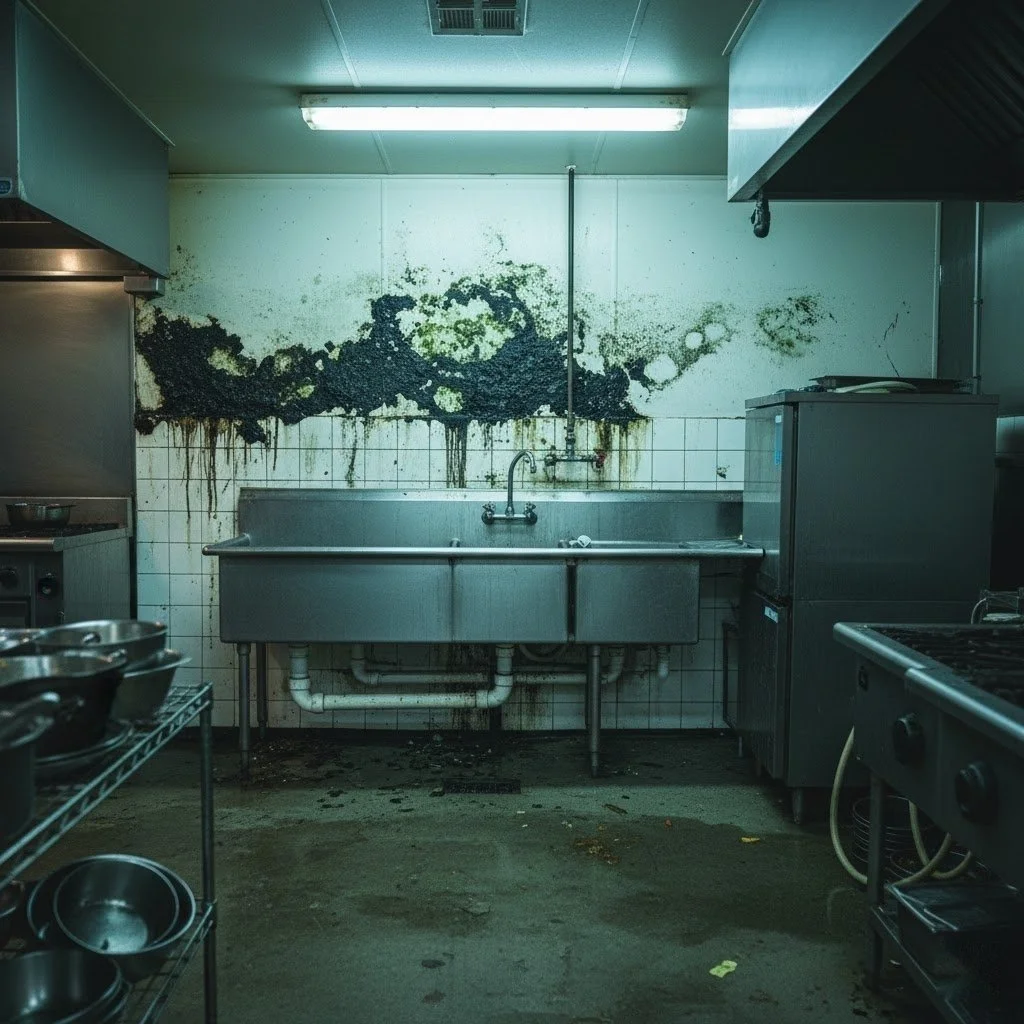
Charlotte’s climate is the foundational reason why crawl space mold is so prevalent in this region. The city’s humid subtropical classification means that average relative outdoor humidity in summer regularly exceeds 70 percent, and the ground beneath Charlotte homes releases moisture vapor continuously throughout the year. A crawl space without proper moisture control systems essentially functions as a humidity collection chamber directly beneath your living space, and in Charlotte’s climate, that chamber maintains the warm, moist, nutrient-rich conditions that mold requires to thrive year-round without seasonal interruption.
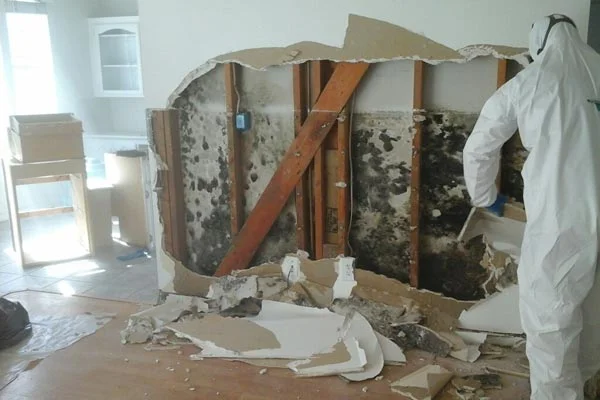
Mecklenburg County’s characteristic red clay soil compounds this significantly. Clay is nearly impermeable to water. Rather than allowing rainfall to percolate downward through the soil profile and away from the foundation, Charlotte’s clay soil holds water at the surface level and releases it slowly as vapor into the crawl space environment. This ground-sourced moisture vapor is continuous, not episodic. It does not require a flood event or a plumbing failure to sustain active mold growth. In Charlotte crawl spaces without encapsulation, it happens as a matter of course throughout every season of the year.
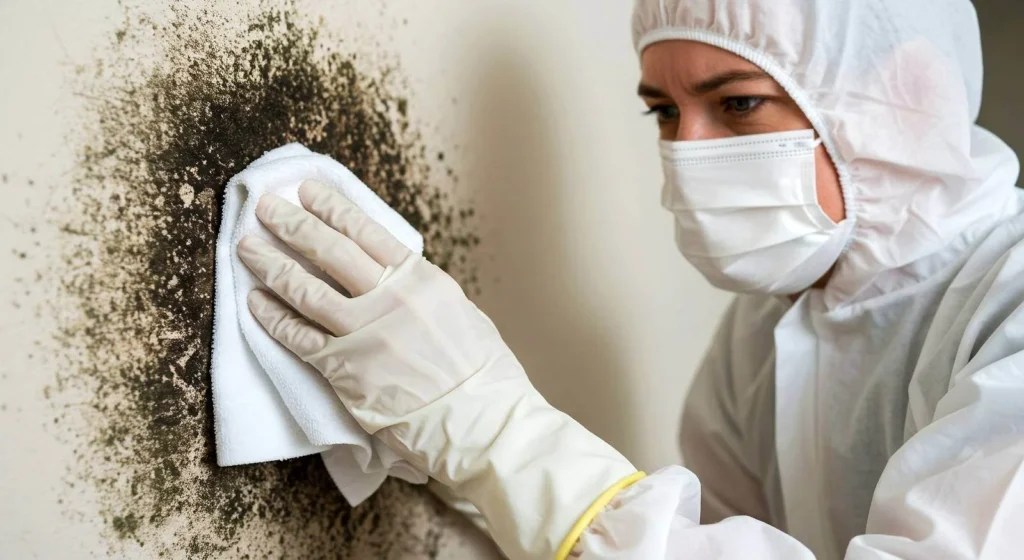
Every basement mold remediation project we undertake in Charlotte follows a structured, documented protocol aligned with EPA guidelines, IICRC S520 standards, and the guidelines of the American Conference of Governmental Industrial Hygienists. There are no shortcuts, no surface-only treatments, and no projects considered complete without independent laboratory clearance verification.
The first is the prevalence of vented crawl spaces. Conventional construction practice in the Charlotte area has historically relied on foundation vents to manage crawl space humidity by allowing outdoor air to circulate beneath the home. Building science research conducted over the past two decades has demonstrated conclusively that this approach is counterproductive in humid climates like Charlotte’s. The majority of mold infestations we remediate in Charlotte crawl spaces are directly attributable to this vented foundation dynamic.
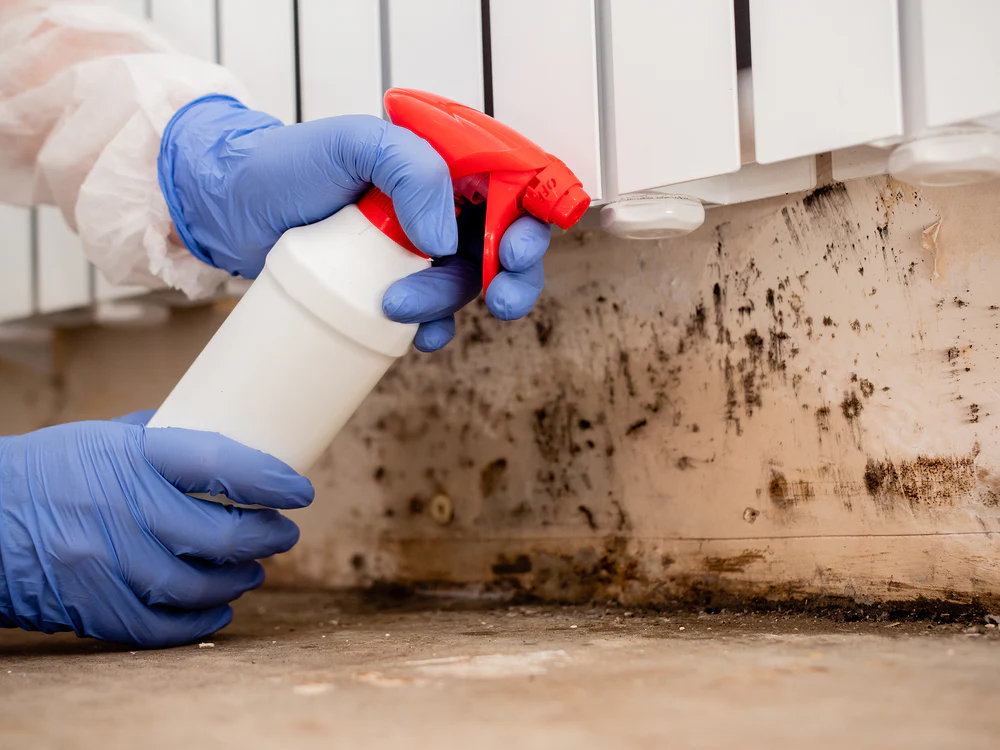
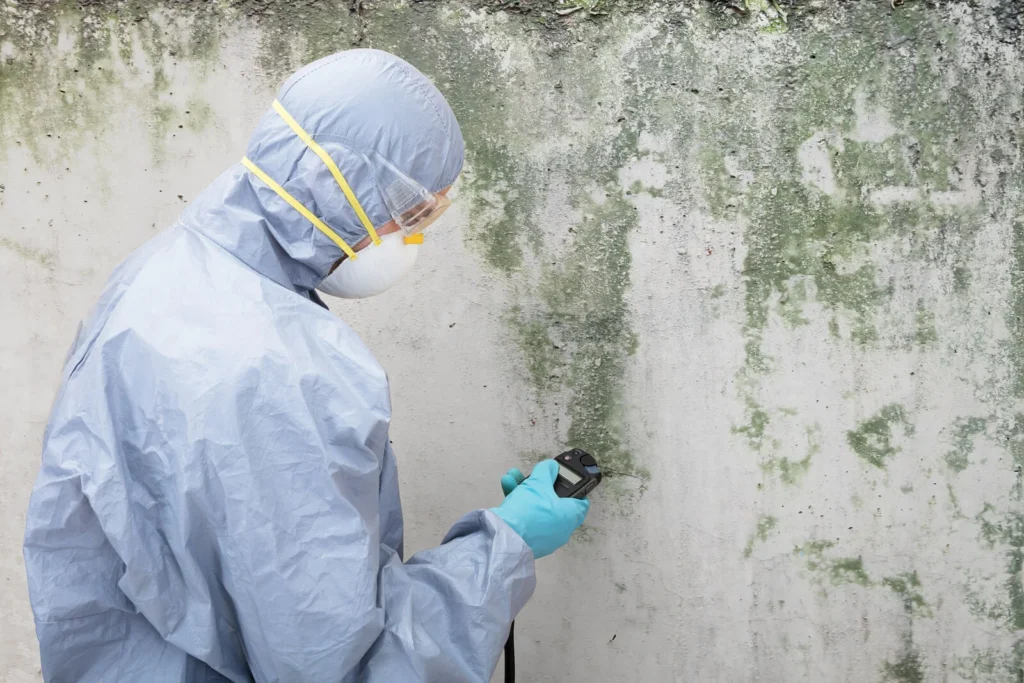
The second is the age and condition of the housing stock in many of Charlotte’s established neighborhoods. In communities like Dilworth, Plaza Midwood, Myers Park, NoDa, Elizabeth, and Fourth Ward, many homes were built with vapor barriers that are now decades past their useful service life, cracked, punctured, collapsed, or simply absent. A compromised or missing vapor barrier means there is nothing between the perpetually moist soil and the wood framing above it.
The third is the frequency with which Charlotte crawl spaces go uninspected for extended periods. Many homeowners purchase a home, receive a crawl space inspection at closing, and never have the space assessed again for five, ten, or fifteen years. In Charlotte’s climate, that is more than enough time for a manageable moisture problem to become an advanced mold infestation requiring substantial remediation investment.
The Stack Effect and Why Crawl Space Mold Affects Every Room in Your Charlotte Home
Every basement mold remediation project we undertake in Charlotte follows a structured, documented protocol aligned with EPA guidelines, IICRC S520 standards, and the guidelines of the American Conference of Governmental Industrial Hygienists. There are no shortcuts, no surface-only treatments, and no projects considered complete without independent laboratory clearance verification.
The stack effect describes the natural movement of air through a building driven by the difference in temperature between the interior and exterior environments. Warm air rises. As it rises through a home and exits through upper-level openings, attic vents, and gaps in the building envelope, it creates a pressure differential that draws replacement air in from the lowest available point in the structure. In a home with a crawl space, that lowest point is the crawl space itself.
What this means practically for Charlotte homeowners is that the air in your crawl space is not staying in your crawl space. It is being continuously drawn upward through the floor assembly into your living spaces throughout the day, every day, regardless of the season. Research from building science institutions including the Advanced Energy Corporation, which has conducted extensive field work in the Carolinas, indicates that between 40 and 60 percent of the air in the ground floor living areas of a crawl space home originates from below the floor.
When your crawl space contains active mold growth, that 40 to 60 percent of your indoor air is carrying mold spores, mycotoxins, volatile organic compounds produced by fungal metabolism, and elevated moisture content into every room in your home. Allergy symptoms, respiratory irritation, persistent musty odors in living areas, and worsening asthma that Charlotte homeowners attribute to outdoor pollen or seasonal allergies are frequently caused by crawl space mold contamination traveling into the home through exactly this mechanism.
This is why crawl space mold remediation in Charlotte is not simply a structural maintenance issue. It is a direct indoor air quality and family health issue, and it cannot be adequately addressed without treating the crawl space environment comprehensively.
Health Risks of Crawl Space Mold for Charlotte Families
The health consequences of crawl space mold exposure in a Charlotte home are well-documented by the Centers for Disease Control and Prevention, the Environmental Protection Agency, and the World Health Organization, and they are more serious than the majority of homeowners recognize until someone in the household is already experiencing chronic symptoms.
Mold
Mold species commonly identified in Charlotte area crawl spaces include Stachybotrys chartarum, the organism widely known as black mold, as well as Aspergillus niger, Cladosporium sphaerospermum, Penicillium chrysogenum, Chaetomium globosum, and Fusarium solani. These organisms are not equally hazardous, but all of them produce biological compounds that affect human respiratory function and immune response when inhaled at elevated concentrations.
Aspergillus species
Stachybotrys chartarum and certain Aspergillus species produce trichothecene mycotoxins and aflatoxins respectively, classified as secondary metabolites that are genuinely toxic to human tissue rather than merely allergenic. These compounds have been associated in peer-reviewed literature with not only the respiratory symptoms commonly attributed to mold exposure, but also neurological effects including persistent headaches, cognitive difficulties, and mood changes in individuals with sustained exposure.
Health Symptoms Among Household Members
The health effects most frequently reported by Charlotte homeowners whose crawl space mold problem has been traveling into their living spaces via the stack effect include chronic coughing that does not resolve with standard treatment, persistent nasal congestion particularly upon waking, recurring sinus infections, wheezing and tightening of the chest especially during physical exertion, eye irritation and redness, skin rashes without identified dermatological cause, generalized fatigue that does not improve with adequate rest, and worsening of pre-existing asthma beyond what seasonal allergens alone would typically produce.
Health Symptoms among children
Children are particularly vulnerable because their respiratory systems are still developing and because they spend more time at floor level where the heaviest concentration of crawl space contaminants settling from below tends to accumulate. Elderly individuals, pregnant women, and anyone with a compromised immune system, chronic lung disease, or a history of severe allergic responses face elevated risk from even moderate crawl space mold exposure.
Health Symptoms among Youngsters
The clinical principle that makes crawl space mold exposure particularly insidious is that the symptoms it produces are frequently attributed to other causes, including seasonal allergies, viral respiratory infections, and generalized stress-related fatigue. Charlotte homeowners often spend months or years seeking medical treatment for symptoms that are primarily environmental in origin and will not resolve until the crawl space mold source driving them is professionally remediated.
Warning Signs Your Charlotte Crawl Space Has a Mold Problem Right Now
Musty odor
A musty, earthy, or mildew odor in your living areas that worsens in humid weather. When the distinctive smell of mold is present in the ground floor rooms of your Charlotte home and intensifies during humid summer months or after rain, the source is almost always the crawl space rather than the living space itself. The odor travels upward through the floor assembly along with the contaminated air.
Visible mold growth
Visible discoloration, dark staining, or fuzzy growth on floor joists or subfloor sheathing. If you have had any occasion to look into your crawl space, black, green, gray, or white biological growth on wood surfaces is unambiguous evidence of active mold colonization requiring professional remediation.
Moisture exposure in the crawl space
Floors that feel soft, spongy, or that exhibit noticeable bounce when walked upon. Floors that were solid when you purchased your home and have progressively become less rigid indicate that the structural wood beneath them is losing integrity, most commonly from prolonged mold and moisture exposure in the crawl space.
Rust staining on concrete floors
Doors or windows on the ground floor that have begun sticking, binding, or failing to latch properly. When the floor system loses rigidity due to crawl space structural deterioration, the door and window frames above it shift subtly out of square, producing exactly this symptom.
Visible condensation on HVAC ductwork
Visible condensation on HVAC ductwork, pipes, or the underside of the floor sheathing when observed from inside the crawl space. Condensation forming on cold surfaces in the crawl space indicates relative humidity well above safe thresholds and confirms active moisture conditions sufficient to sustain mold growth.
HVAC & Pest Inspections Reveal Mold
A recent pest control inspection or HVAC service call in which the technician noted mold, moisture, or wood degradation. Plumbers, HVAC technicians, and pest control specialists frequently enter crawl spaces in the course of routine service calls and are often the first to observe mold growth that would otherwise remain hidden from the homeowner indefinitely.
Indoor Mold Warning Signs
Worsening indoor allergy or respiratory symptoms among household members that improve when they spend extended time away from the home. When symptoms are clearly tied to the home environment rather than external allergen exposure, crawl space mold contamination traveling through the stack effect is among the most common explanations.
Crawl Space Issues Found in Inspection
A home inspection report noting elevated moisture readings, mold presence, or evidence of wood degradation in the crawl space. This is perhaps the most direct indication of all, and it should be followed immediately by a professional mold inspection and remediation consultation rather than a negotiation to have the seller address the problem with a non-specialist contractor.
Because the crawl space is inaccessible during routine daily life, Charlotte homeowners rarely discover mold there through direct visual observation. Instead, they encounter it through indirect evidence in their living spaces or through incidental discovery during plumbing repairs, HVAC service calls, or formal real estate inspection. These are the most reliable warning signs that you need to schedule a professional crawl space mold inspection in Charlotte, NC without delay.
Our Crawl Space Mold Remediation Process in Charlotte, NC
Every crawl space mold remediation project we complete in Charlotte, NC follows a documented protocol developed in alignment with the EPA’s guidance on mold remediation in schools and commercial buildings, the IICRC S520 Standard for Professional Mold Remediation, and the American Conference of Governmental Industrial Hygienists guidelines for indoor air quality assessment. Every step is completed in sequence, every step is documented, and no project is considered successfully closed until independent laboratory results confirm clearance.
Comprehensive Crawl Space Mold Inspection and Moisture Assessment
Our certified inspector enters the crawl space and conducts a thorough visual and instrumental assessment of every surface, component, and system in the below-floor environment. Professional grade moisture meters measure moisture content in every accessible wood member. A calibrated hygrometer records current relative humidity and temperature conditions throughout the space. Thermal imaging cameras identify temperature differentials that indicate hidden moisture accumulation within the floor assembly above or behind insulation. The inspection identifies not only where mold is currently growing but precisely which moisture sources are sustaining the growth, whether that is ground moisture vapor transmission, condensation on HVAC components, plumbing penetration leaks, foundation wall seepage, inadequate or failed vapor barrier coverage, or vented foundation airflow dynamics specific to the home's orientation and construction.
Professional Mold Testing and Laboratory Analysis
Where the inspection reveals active mold growth or where hidden contamination is suspected based on moisture readings and symptom history, our specialists collect air samples, direct surface swab samples, and tape lift samples from affected wood members and submit them to an independent, accredited testing laboratory. Laboratory analysis identifies the specific mold species present in your Charlotte crawl space, the spore concentration levels in the crawl space air, and the concentration of airborne spores in the living spaces above the crawl space, confirming whether contamination is traveling through the floor assembly into the home. This species identification matters operationally because Stachybotrys and certain Aspergillus strains require enhanced personal protective protocols, more aggressive containment measures, and higher clearance standards than less hazardous species.
Containment Establishment and Negative Air Pressure
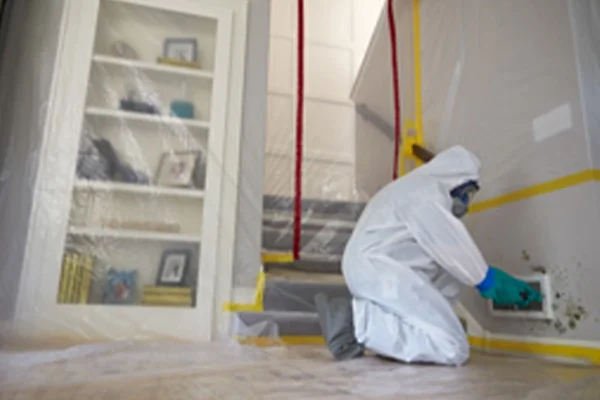
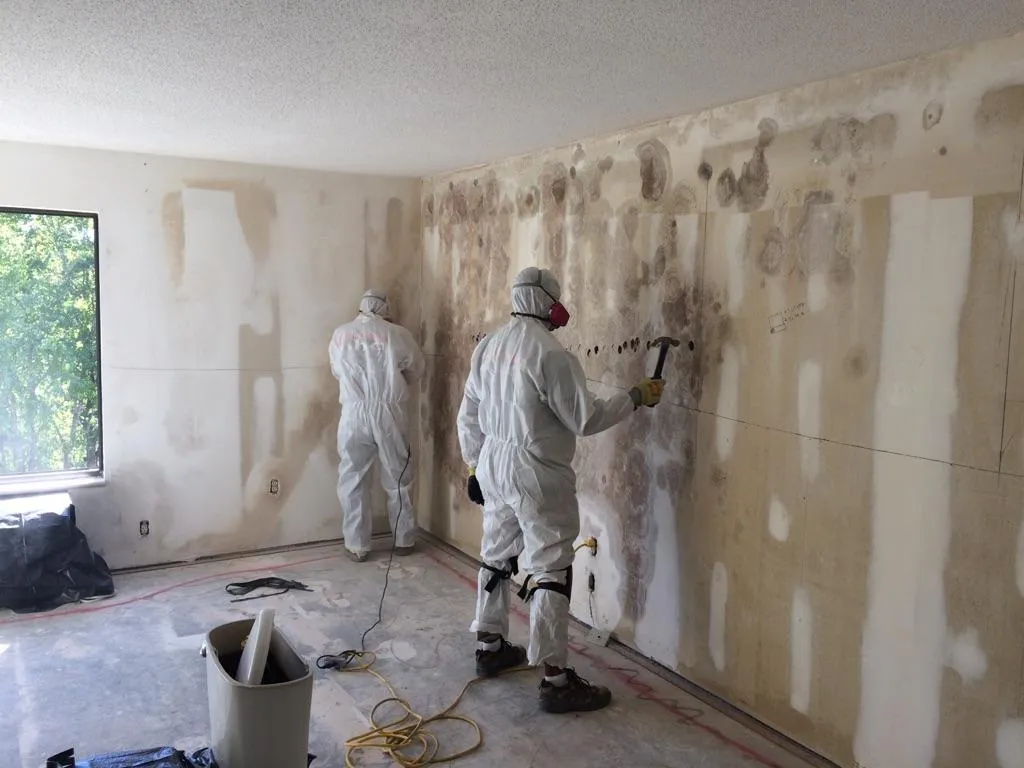
Before any removal work begins, technicians wearing full personal protective equipment establish containment at the crawl space access points and create negative air pressure within the crawl space using HEPA filtered negative air machines exhausting to the exterior of the home. This prevents mold spores disturbed during remediation activities from migrating through the floor assembly into the living spaces above. Containment in a crawl space environment requires careful attention to all penetrations through the floor system including plumbing, HVAC, and electrical conduit that can serve as spore migration pathways if not sealed during the remediation process.
Mold Removal and Wood Surface Treatment
All mold infested materials that cannot be restored are carefully removed and disposed of in sealed, double-bagged polyethylene bags in compliance with Charlotte and Mecklenburg County waste handling regulations. This typically includes failed or contaminated vapor barrier material, degraded insulation, and any wood members that have sustained sufficient structural compromise to warrant replacement rather than surface remediation. For structurally sound wood members exhibiting surface mold growth, our technicians perform mechanical removal of visible mold colonies using wire brushing, sanding, and HEPA vacuuming to achieve physical elimination of mold from the wood surface. We do not rely solely on antimicrobial application as a substitute for physical removal. The peroxide-based and EPA-registered antimicrobial solutions we apply following mechanical removal serve to treat residual spores at the cellular level and provide a protective treatment layer, they are a complement to physical removal, not a replacement for it. All treated surfaces are then HEPA vacuumed again to capture any residual particulate generated by the treatment process.
Structural Drying and Humidity Normalization
With mold removed and all identified moisture sources addressed, industrial-grade dehumidifiers are deployed within the crawl space to reduce relative humidity to and sustain it within the EPA-recommended range of 30 to 50 percent. Wood members are allowed to reach equilibrium moisture content appropriate for the Charlotte climate before any encapsulation or restorative work proceeds. Attempting to seal a crawl space while wood moisture content remains elevated traps existing moisture within the encapsulation system and can accelerate rather than prevent continued fungal activity.
Crawl Space Encapsulation and Long-Term Moisture Control
This is the step that most fundamentally determines whether your crawl space mold remediation produces permanent results or whether you are scheduling the same service again in three years. Following completed remediation and confirmed structural drying, we install a comprehensive encapsulation system designed specifically for the moisture conditions of your Charlotte crawl space. This typically includes a minimum 20 mil reinforced polyethylene vapor barrier sealed to foundation walls and all penetrations, closure and sealing of all existing foundation vents to eliminate the humid outdoor air infiltration responsible for the majority of mold conditions we remediate in Charlotte, installation of a properly sized commercial-grade dehumidifier with automatic drainage and humidity monitoring, and foam insulation at the rim joist perimeter to eliminate thermal bridging and condensation at the foundation wall interface.
Post-Remediation Clearance Testing and Documentation
When all remediation and encapsulation work is complete, we conduct final air and surface sampling throughout the crawl space and in the living areas above it, submitting samples to the independent laboratory. Only when laboratory results confirm that mold spore concentrations have returned to acceptable baseline levels, at or below outdoor ambient concentrations, do we issue written clearance documentation. This documentation includes the original inspection findings, laboratory pre-remediation results, a complete record of all work performed, post-remediation laboratory results, and confirmation of clearance. This package protects you in any future real estate transaction, insurance claim, or legal matter involving the property.
Crawl Space Encapsulation in Charlotte, NC — Why It Is the Essential Partner to Mold Remediation
Crawl space encapsulation is not a separate service from crawl space mold remediation. It is the permanent moisture control solution that makes mold remediation last. Performing mold remediation without encapsulating the crawl space in a Charlotte climate is the single most common reason that Charlotte homeowners end up calling for the same service a second or third time.
Moisture Control
What encapsulation accomplishes is the fundamental transformation of your crawl space from a vented, uncontrolled moisture environment — where the relative humidity is essentially determined by whatever the outdoor air humidity happens to be — into a sealed, conditioned environment where humidity is actively controlled to levels that permanently prevent mold growth.
Key Encapsulation Features
The core components of a properly designed crawl space encapsulation system for a Charlotte home include a heavy-duty vapor barrier, foundation vent closure, a commercial-grade dehumidifier, and rim joist insulation. Each component serves a specific and non-redundant function in the overall moisture control system.
Crawl Space Protection Components
The vapor barrier, minimum 20 mil reinforced polyethylene for Charlotte's ground moisture conditions seals the soil surface and is lapped up and adhered to the foundation walls, blocking ground moisture vapor from entering the crawl space atmosphere. Foundation vent closure eliminates the infiltration of warm, humid outdoor air that conventional building wisdom incorrectly assumed would dry the space. The commercial-grade dehumidifier actively removes moisture from the sealed crawl space air and maintains relative humidity within the range that prevents mold from establishing. Rim joist insulation eliminates the cold surface at the top of the foundation wall where warm air from inside the crawl space would otherwise condense continuously.
Benefits of Crawl Space Encapsulation
Charlotte homeowners who have completed full encapsulation following professional mold remediation consistently report multiple secondary benefits beyond mold prevention. Floor temperatures in ground floor rooms improve noticeably, particularly in winter. Heating and cooling costs decrease as conditioned indoor air is no longer in exchange with uncontrolled exterior air through the floor assembly. Wood floor creaking and movement associated with seasonal humidity fluctuation diminishes. And the investment in encapsulation increases the appraised and marketable value of the property as a documented, transferable improvement that prospective buyers and their inspectors can verify.
Crawl Space Encapsulation Costs
The cost of crawl space encapsulation in Charlotte, NC typically ranges from $6,000 to $12,000 depending on the square footage of the crawl space, the extent of existing moisture damage requiring repair before encapsulation, and the specific components included in the system. This investment, when made in conjunction with professional mold remediation, eliminates the conditions that would otherwise necessitate repeat remediation and delivers compounding returns in energy savings, structural protection, and indoor air quality improvement throughout the life of the home.
How Much Does Crawl Space Mold Remediation Cost in Charlotte, NC?
A minor crawl space mold situation involving a limited area of surface mold on accessible wood members with no structural material damage and no encapsulation requirement typically falls in the range of $1,000 to $2,500. These situations are relatively uncommon in Charlotte because the moisture conditions that produce crawl space mold are rarely limited to a small area.
Professional mold inspection and air quality testing in Charlotte, NC ranges from $245 to $835 and should always precede any remediation commitment. The inspection defines the actual scope of the problem, which is the only defensible basis for a cost estimate and a remediation plan.


A severe crawl space mold infestation involving black mold protocols, structural wood member damage requiring sistering or partial replacement, complete encapsulation system installation, and commercial dehumidifier installation represents the most comprehensive service level and typically ranges from $6,000 to $15,000 or more depending on crawl space size and the extent of structural remediation required.
A moderate crawl space mold infestation affecting a significant portion of the crawl space including floor joists and subfloor sheathing, requiring comprehensive mechanical removal, antimicrobial treatment, vapor barrier replacement, and standard moisture control installation, generally ranges from $2,500 to $6,000 in the Charlotte market.
Crawl Space Mold Prevention for Charlotte, NC Homeowners
Charlotte homeowners who have recently completed crawl space mold remediation, or who want to protect a currently healthy crawl space against the conditions that produce mold, should prioritize the following prevention strategies in order of their impact on long-term outcomes.
The single most impactful step a Charlotte homeowner can take is complete crawl space encapsulation with foundation vent closure and a properly sized, automatically drained commercial dehumidifier. Nothing else in the prevention toolkit approaches the effectiveness of transforming the crawl space from a vented, uncontrolled moisture environment into a sealed, conditioned space where relative humidity is maintained below the threshold at which mold can establish.
For homeowners who have encapsulated their crawl space, regular inspection and maintenance of the encapsulation system is essential. The vapor barrier should be inspected at least annually for punctures, tears, or areas where it has separated from the foundation wall adhesion points. The dehumidifier should be serviced annually, its drainage line checked for blockage, and its humidity setpoint verified against actual crawl space humidity readings. A dehumidifier operating correctly is the single most important long-term mold prevention component in the system.
Any plumbing penetrations through the crawl space, whether supply lines, drain lines, or condensate lines from HVAC equipment, should be inspected annually for leakage or condensation. Even minor plumbing leaks inside an encapsulated crawl space can defeat the moisture control system if they are allowed to persist. HVAC equipment located in the crawl space, including air handlers and associated ductwork, should be serviced annually and inspected for condensation on exterior surfaces, which indicates that the equipment’s condensate drainage is not functioning correctly.
Gutters and downspouts should be cleaned at minimum twice per year and inspected to confirm that all discharge points are directing water at least six feet away from the foundation. Grading along the foundation perimeter should maintain a positive slope away from the structure on all sides. These exterior drainage measures reduce the volume of ground moisture that the interior vapor barrier and dehumidifier system must manage, and they protect the foundation from the hydrostatic pressure that can compromise even well-installed moisture control systems over time.
Schedule Your Free Crawl Space Mold Inspection in Charlotte, NC Today
Do not wait for sagging floors, health symptoms, or a failed home inspection to force your hand. A professional crawl space mold inspection in Charlotte, NC costs you nothing, takes approximately two hours, and gives you the complete, accurate picture of what is happening beneath your home so that you can make an informed decision about what to do next.
Call us today to schedule your free inspection. Our IICRC certified specialists will enter the crawl space, document every area of concern with photographs and moisture readings, identify every moisture source contributing to the problem, and provide you with a clear, honest, fully itemized remediation and moisture control plan with complete pricing transparency and absolutely no pressure. Same-day and emergency appointments are available when the situation warrants.

Areas We Serve
We serve Charlotte, NC and all of Mecklenburg County including Ballantyne, Huntersville, Matthews, Concord, Kannapolis, Mint Hill, Gastonia, Mooresville, Indian Trail, Cornelius, Davidson, Monroe, and Rock Hill, SC. What is beneath your home matters enormously to the health of everyone inside it. We are here to make sure it is in the condition it needs to be.
Frequently Asked Questions About Crawl Space Mold Remediation in Charlotte, NC
What is crawl space mold remediation and how is it different from crawl space cleaning in Charlotte?
Crawl space cleaning refers to the removal of debris, old vapor barrier material, and surface contamination from a crawl space. Crawl space mold remediation is a more comprehensive, certified process that includes professional inspection, laboratory mold testing, contained mold removal, antimicrobial treatment of affected wood surfaces, moisture source resolution, structural drying, and independent post-remediation clearance testing to verify the environment meets safe air quality standards. Crawl space cleaning without mold remediation is appropriate for healthy crawl spaces being prepared for encapsulation. Crawl space mold remediation is required when mold colonies have established on structural members or in the crawl space air.
How long does crawl space mold remediation take in Charlotte, NC?
Most residential crawl space mold remediation projects in Charlotte, NC are completed within one to three days of active remediation work depending on the square footage of the crawl space and the extent of mold growth. If structural material removal and replacement is required alongside the remediation, the project timeline extends accordingly. Encapsulation installation, when performed following remediation, typically adds one to two additional days. Post-remediation laboratory clearance testing adds one to three business days for results before final clearance documentation is issued.
Can crawl space mold in Charlotte, NC cause health problems for my family?
Yes, and the effect is frequently more significant than Charlotte homeowners anticipate. Because of the stack effect, air from the crawl space travels continuously upward into the living spaces of the home. When that crawl space air contains elevated concentrations of mold spores and mycotoxins, every person in the home is breathing contaminated air regardless of whether they ever enter the crawl space. The most commonly reported health effects include chronic respiratory symptoms, worsening asthma, recurring sinus infections, persistent fatigue, and allergy-like symptoms that improve when family members spend extended time away from the home.
Is crawl space mold remediation covered by homeowners insurance in Charlotte, NC?
Coverage depends on the cause of the mold. Crawl space mold resulting directly from a sudden, accidental, and covered water damage event such as a burst pipe or appliance failure is frequently covered by homeowners insurance. Mold resulting from long-term condensation, inadequate ventilation, ground moisture accumulation, or gradual deterioration of a vapor barrier is typically not covered because insurers classify it as a maintenance issue rather than a sudden loss. We work directly with your insurance adjuster, document all moisture conditions, and provide all laboratory results needed to support your claim where coverage legitimately applies.
Do I need crawl space encapsulation after mold remediation in Charlotte, NC?
In a Charlotte climate, completing mold remediation without addressing the moisture conditions that produced the mold almost guarantees recurrence. Crawl space encapsulation is not optional in the Charlotte market if long-term results are the goal. The combination of a sealed vapor barrier, foundation vent closure, and a correctly sized commercial dehumidifier transforms the crawl space moisture environment fundamentally, removing the conditions under which mold can re-establish regardless of season or weather conditions.
How do I know if my Charlotte crawl space has mold without entering it?
The most reliable indicators that do not require entering the crawl space are a persistent musty odor in ground floor living areas, floors that have developed noticeable softness or bounce, doors and windows that have recently begun sticking or failing to close properly, worsening respiratory symptoms among household members that improve away from the home, and any notation on a prior inspection report of elevated moisture readings or biological growth in the crawl space. Any one of these indicators is sufficient reason to schedule a professional crawl space mold inspection in Charlotte, NC.
What mold species are most commonly found in Charlotte, NC crawl spaces?
The mold species most frequently identified in Charlotte area crawl space remediation projects include Cladosporium sphaerospermum, which thrives on wood and paper products and is the most common crawl space species in humid southeastern climates, Penicillium chrysogenum, which establishes readily on insulation and vapor barrier materials in damp conditions, Aspergillus niger, which colonizes wood and soil-contact surfaces and produces both allergens and mycotoxins at elevated concentrations, Chaetomium globosum, which is strongly associated with chronically wet wood and is a reliable indicator of long-term moisture exposure, and Stachybotrys chartarum, black mold, which requires sustained wetness to establish but produces the most serious mycotoxin exposure risk when present.