Attic Mold Remediation Charlotte NC – Certified Specialists
Attic mold remediation in Charlotte, NC is the certified process of inspecting, containing, removing, and permanently resolving mold growth in the above-ceiling space of your home by eliminating both the biological contamination present on roof decking, rafters, and sheathing and the specific ventilation failures, moisture pathways, and air leakage conditions that caused the mold to develop in the first place. Our IICRC certified technicians specialize in attic mold remediation across Charlotte, NC and all of Mecklenburg County. Every project follows a structured protocol aligned with EPA guidelines and IICRC S520 standards, and every project concludes with independent laboratory clearance testing confirming your attic meets safe indoor air quality benchmarks before we consider the job complete.
If you have discovered mold in your Charlotte attic, whether through a home inspection report, a roofing contractor’s observation, a persistent musty odor filtering down through your ceiling, or your own direct observation of dark staining on roof decking or rafters, you are dealing with a problem that requires certified remediation and genuine moisture source correction to resolve permanently. Attic mold in Charlotte does not disappear with improved airflow alone, and it does not resolve through surface treatment without addressing the underlying conditions. It spreads further across roof sheathing, consumes structural wood fibers, and continues releasing biological contaminants into the air inside your home until a comprehensive, documented remediation process brings it to a definitive end. Call us today for a free attic mold inspection in Charlotte, NC and find out precisely what is happening above your ceiling.
Why Is Attic Mold So Prevalent in Charlotte, NC Homes?
Charlotte’s position in a warm humid subtropical climate zone makes the attic environment of virtually every home in the city a high-risk space for mold development. Understanding why requires a clear picture of the specific atmospheric and construction dynamics that interact in a Charlotte attic throughout the year, because the conditions that produce attic mold in this region are significantly more complex and more continuous than most homeowners realize.
These dynamics explain why attic mold in Charlotte is so frequently misdiagnosed as a roof leak problem when in reality the roof itself is entirely intact. They also explain why simply repairing identified roof damage without addressing ventilation and air sealing deficiencies produces remediations that fail because the moisture source generating the growth was never actually the roof penetration.
The foundational issue is the combination of Charlotte’s elevated year-round humidity and the extreme temperature gradients that develop within the attic environment across seasons. In summer, Charlotte outdoor temperatures routinely reach the low to mid 90s Fahrenheit with relative humidity regularly exceeding 65 to 70 percent. Attic air temperatures in this season can exceed 130 to 150 degrees Fahrenheit on hot days. When humid outdoor air enters a Charlotte attic through soffit vents during summer evenings and early mornings, as temperatures moderate and the attic cools, that moisture-laden air reaches its dew point on the cooler surfaces of roof decking and sheathing and condenses as liquid water. This condensation cycle, which can occur repeatedly without a single leak or structural failure, is responsible for a significant proportion of the attic mold infestations we remediate in Charlotte homes.
In winter, a different but equally problematic dynamic operates. Charlotte’s mild winters mean that living spaces remain actively heated while outdoor temperatures drop into the 30s and 40s Fahrenheit. Warm, moisture-laden indoor air from daily household activities, including cooking, bathing, laundry, and normal respiration by occupants, rises by natural convection toward the ceiling and finds pathways into the attic space through any unsealed penetration in the ceiling assembly. Recessed lighting fixtures, HVAC register boots, plumbing chases, attic hatch frames, and the countless small gaps at top plates and ceiling drywall joints all serve as pathways through which conditioned indoor air leaks into the attic. When that warm, moist air contacts the cold underside of the roof sheathing in a Charlotte winter, it condenses immediately. In periods of overnight freezing temperatures, that condensation can freeze and then melt the following afternoon, wetting the sheathing and rafter surfaces repeatedly through the cold season in a cycle that produces abundant moisture for mold growth without any rain penetration through the roof surface at all.
Three additional factors specific to the Charlotte housing market account for the high frequency of attic mold remediation calls our team receives throughout the year.
The first is the prevalence of improperly routed bathroom and kitchen exhaust fans. Building code in Charlotte requires exhaust fans to vent to the exterior of the home. In practice, a substantial proportion of the homes our inspectors enter have bathroom fans, kitchen range hoods, or dryer vents that terminate in the attic rather than discharging through the roof or soffit to the outdoors. A single bathroom exhaust fan venting warm, moisture-saturated air directly into the attic can deposit enormous quantities of moisture on roof sheathing throughout the year. This is one of the most common single causes of attic mold in Charlotte homes across all price points and all construction eras.
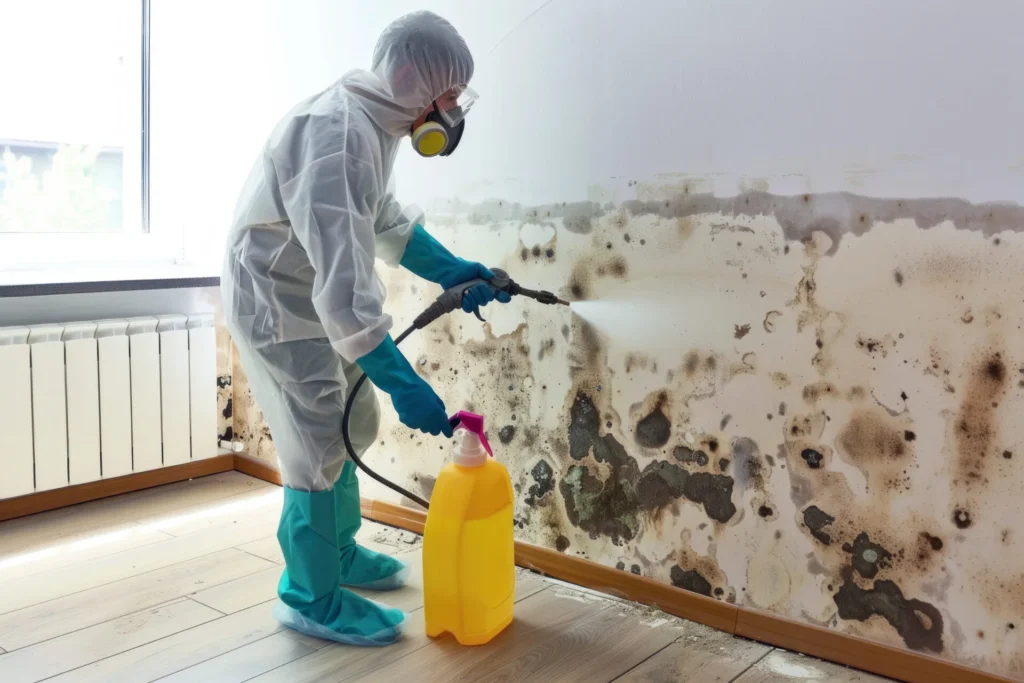
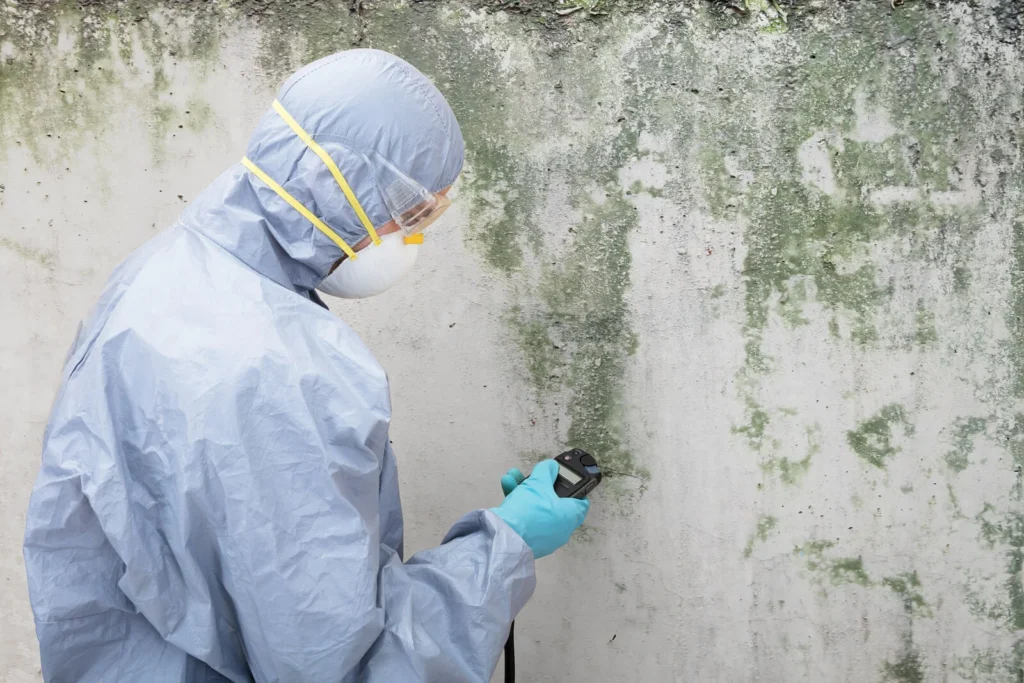
The second factor is inadequate or improperly installed attic insulation. The model building code baseline for Charlotte’s climate zone calls for a net free ventilation area ratio of 1:150 of attic floor area, split between intake at the soffit and exhaust at the ridge or gable. When blown or batt insulation is installed in excess at the eaves and blocks soffit intake vents, the ventilation system loses its ability to dilute humid air within the attic regardless of how well the ridge and gable vents are functioning. Blocked soffit vents are among the most common deficiencies our inspectors document in Charlotte attics and one of the most correctable contributing factors to attic mold development.
The third factor is the frequency with which Charlotte homes undergo roofing work without simultaneous evaluation of attic ventilation performance. When a Charlotte homeowner replaces a roof following storm damage or normal end-of-life deterioration, the roofing contractor focuses on the exterior surface and drainage. The ventilation system and the interior conditions of the attic space are rarely assessed. Roofs are replaced, ventilation deficiencies remain uncorrected, moisture conditions that were producing condensation on the previous sheathing continue on the new sheathing, and attic mold re-establishes on fresh decking within months of a complete roof replacement.
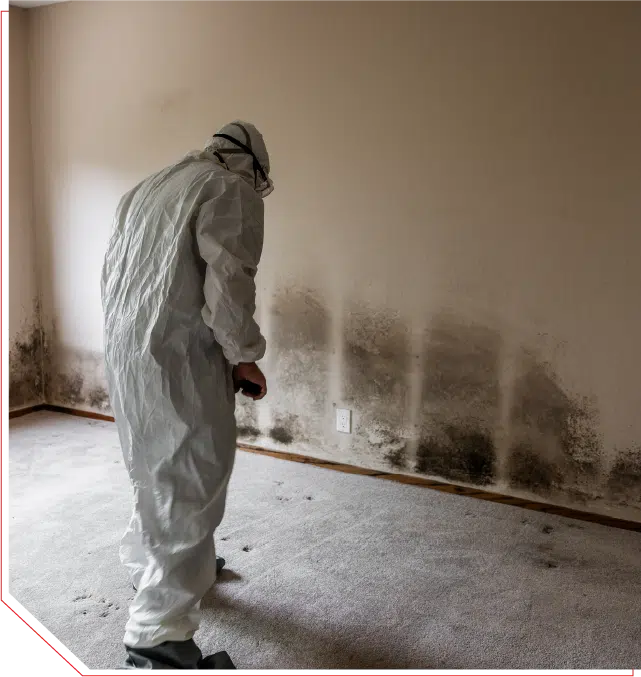
The Structural Consequences of Allowing Attic Mold to Progress in a Charlotte Home
Attic mold is not a cosmetic problem. It is a biological process of active wood degradation that, if allowed to progress without professional remediation, will cause structural damage to the roof system of your Charlotte home that is dramatically more expensive to repair than the remediation that would have prevented it.
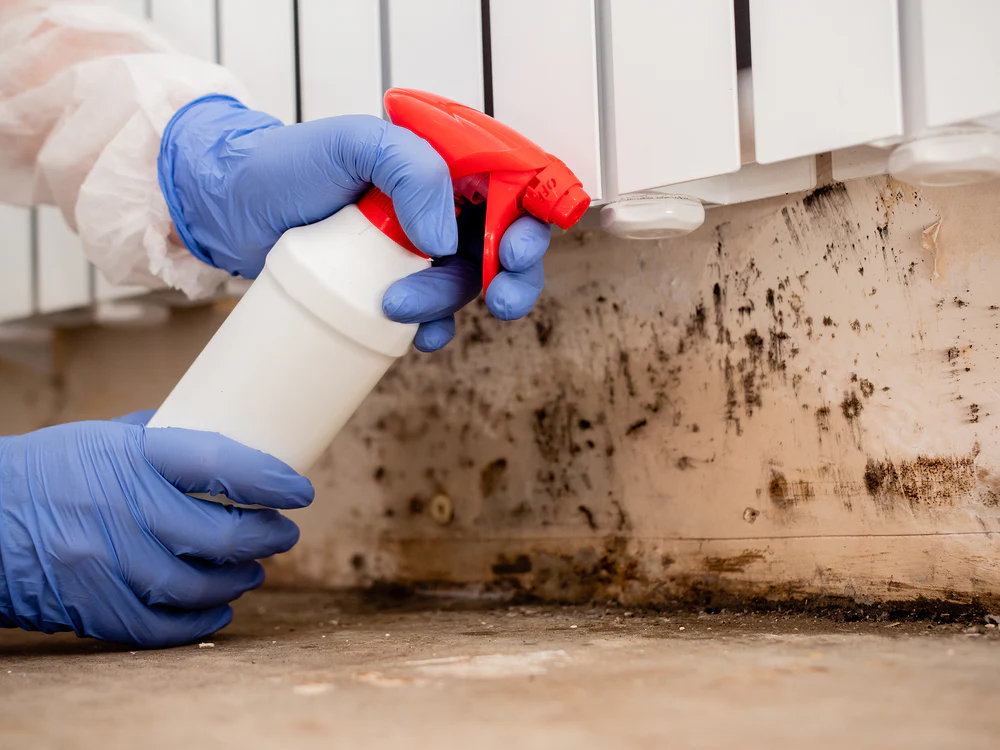
Roof sheathing, also called roof decking, is the panel material installed across the top of the rafter system that forms the structural base for the roofing material above it. In Charlotte homes built since the mid-twentieth century, this material is almost universally oriented strand board or plywood. Both materials are highly susceptible to fungal degradation because they are engineered wood products composed of compressed wood fibers and organic binders that provide ideal nutrients for mold colonization.
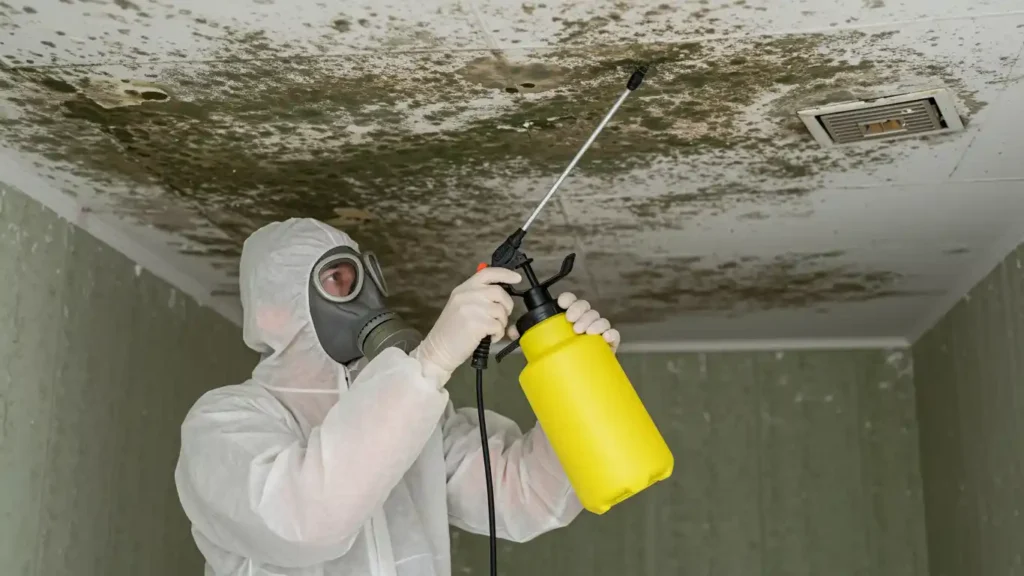
In the earliest stages of attic mold development, fungal colonies establish on the surface of the sheathing and rafter faces, drawing nutrients from the outermost wood fibers. At this stage the structural integrity of the sheathing panels and rafters remains essentially intact, and professional remediation through mechanical removal and antimicrobial treatment can address the problem without material replacement. Most Charlotte homeowners who discover attic mold through a home inspection or a proactive assessment are at this stage.
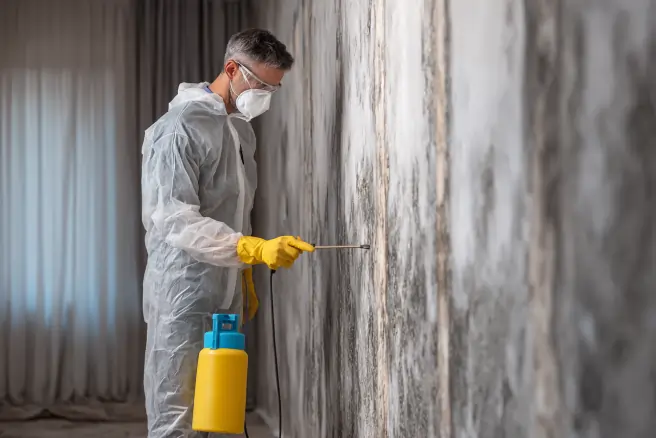
As the infestation advances over months without intervention, the fungal degradation process penetrates progressively deeper into the wood fiber matrix. The sheathing panels begin to lose rigidity. Soft spots develop where the panel has lost sufficient structural integrity to support roofing nail withdrawal loads. The sheathing may begin to delaminate, particularly in oriented strand board panels where moisture exposure causes the compressed layers to separate. At this stage, professional remediation requires partial or total sheathing replacement in addition to the biological remediation of unaffected areas, substantially increasing project costs.
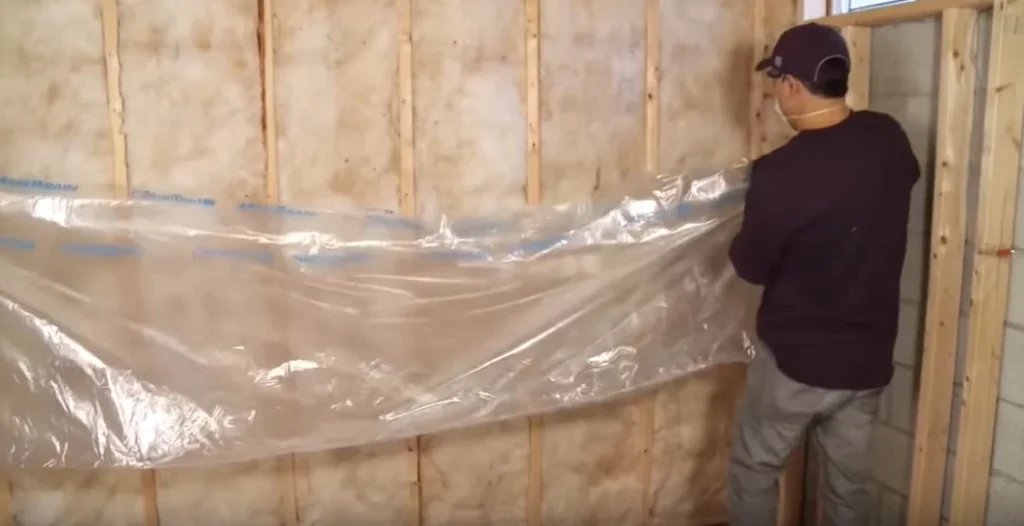
In the most advanced cases, where attic mold has been active for a year or more without discovery or intervention, the rafter members themselves sustain degradation sufficient to compromise their structural capacity. Rafters that have lost structural integrity cannot safely bear the combined loads of roofing materials, snow accumulation during the rare but not unprecedented Charlotte winter snowfall events, and the dynamic loads of wind uplift. At this point what began as a several-thousand-dollar mold remediation project has become a structural engineering and reconstruction project with costs that can exceed $15,000 to $30,000 depending on the extent of the rafter system requiring replacement.

The financial and practical argument for addressing attic mold in Charlotte at the earliest possible stage is straightforward and compelling. Every Charlotte homeowner who schedules an attic mold inspection at the first indication of a problem consistently pays far less than those who delay until structural symptoms force their hand.
Health Risks of Attic Mold Exposure for Charlotte Families
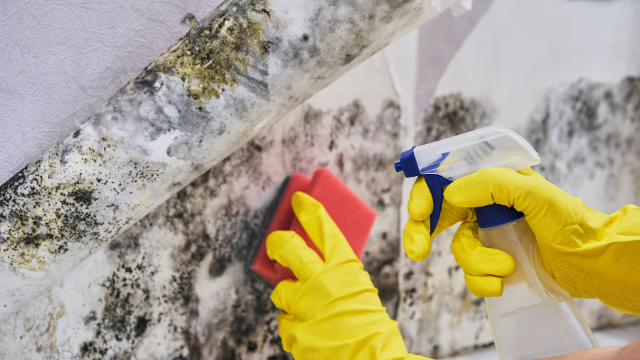
The health risks associated with attic mold exposure traveling into the living space are well-documented by the Centers for Disease Control and Prevention, the Environmental Protection Agency, and the North Carolina Department of Health and Human Services, which explicitly recommends maintaining indoor relative humidity below 60 percent specifically to prevent mold-related health consequences in North Carolina residences.
Mold Species in Attics
Mold species most frequently identified in Charlotte area attic mold remediation projects include Cladosporium sphaerospermum, which flourishes on wood and paper products and is the most common species found on roof sheathing in humid southeastern climates, Penicillium chrysogenum, which establishes readily on OSB and plywood panel materials with elevated moisture content, Aspergillus niger and Aspergillus versicolor, both of which colonize wood surfaces in the warm temperature ranges typical of Charlotte attics and produce allergens and, in the case of Aspergillus versicolor, the mycotoxin sterigmatocystin, Stachybotrys chartarum, black mold, which requires chronic sustained wetness to establish in an attic environment and is most commonly identified in Charlotte attics with long-standing bathroom fan venting deficiencies or unrepaired roof leaks, and Chaetomium globosum, which is a reliable indicator of chronic moisture exposure and produces chaetoglobosins, compounds with demonstrated toxicity in peer-reviewed laboratory research.
Attic Mold Health Effects
The health effects most consistently reported by Charlotte homeowners with attic mold contamination traveling into their living spaces include persistent coughing and throat irritation that does not resolve with standard over-the-counter treatment, nasal congestion and post-nasal drip that worsens upon waking and in rooms directly below the attic space, recurring sinus infections beyond what an individual's personal allergy history would typically predict, wheezing and chest tightening particularly during physical exertion in the home, eye irritation and redness, skin rashes without identified dermatological cause, chronic fatigue that is disproportionate to activity level and does not respond to increased rest, and worsening of pre-existing asthma beyond what seasonal allergen exposure alone would account for.
Health Risk Populations
Children are particularly susceptible because their still-developing respiratory systems are more vulnerable to biological airborne contaminants and because they spend more time in the home environment than most adults. Elderly family members, pregnant women, and individuals with existing asthma, allergic conditions, or compromised immune function face significantly elevated risk from even moderate attic mold exposure levels. Any household that includes these vulnerable individuals should treat the discovery of attic mold as a health emergency requiring immediate professional assessment rather than a maintenance issue to be scheduled at convenience.
Warning Signs Your Charlotte Attic Has a Mold Problem
The great majority of Charlotte homeowners have not entered their attic in years. Attic mold, by its nature, develops entirely out of sight from the living areas below and is rarely discovered through routine daily observation. These are the most reliable warning signs that should prompt you to schedule a professional attic mold inspection in Charlotte, NC without delay.
Musty or earthy odor in the basement or on the floor above.
A musty or earthy odor in upper-level rooms or in HVAC supply air that intensifies in humid weather. When the characteristic smell of mold is present in upper-floor rooms or arrives through supply registers when the HVAC system activates, and when that odor strengthens during warm, humid weather or following rain events, the source is frequently the attic rather than the living space. The odor compounds generated by attic mold colony metabolism travel downward through ceiling penetrations and through the air distribution system throughout the occupied space.
Visible mold growth on any surface.
Dark staining, discoloration, or visible growth on roof sheathing or rafters observed through the attic hatch. Black, gray, green, or brown staining across the underside of roof sheathing panels is the direct visual signature of active or historical mold colonization. Even staining that appears dry and inactive should be assessed by a certified specialist, because dormant mold colonies re-activate immediately when humidity conditions in the attic return to growth-supporting levels.
Water stains or efflorescence on basement walls.
A home inspection report noting mold, elevated moisture readings, or wood degradation in the attic. Home inspectors in Charlotte routinely enter attic spaces during property transactions and are among the most frequent first-discoverers of attic mold contamination. A notation of suspected mold, elevated moisture, or visual discoloration on an inspection report should be followed immediately by a professional mold inspection and clearance assessment rather than treated as a negotiation point to be addressed generically by the seller.
Rust staining on concrete floors or metal components.
Soft, spongy, or visibly delaminating sections of roof sheathing observed from inside the attic. Sheathing panels that have lost structural rigidity or that show visible delamination of the panel layers indicate moisture exposure severe enough to have progressed beyond surface contamination to structural degradation. This finding requires both professional mold remediation and structural assessment of the affected panels.
Peeling paint or bubbling drywall.
Bathroom exhaust fans or range hood vents that terminate in the attic rather than discharging to the exterior. If any exhaust fan or range hood in your Charlotte home vents into the attic space rather than discharging through the roof or soffit to the outdoors, the sustained moisture loading this creates will produce attic mold in Charlotte's climate. Discovery of this condition should prompt both correction of the venting deficiency and a professional inspection of the attic sheathing for existing mold growth.
A recent flooding or water intrusion event
Staining on interior ceiling surfaces, particularly around recessed lighting fixtures or at ceiling-wall junctions. Water staining on ceilings can indicate either roof penetration or attic condensation flowing down through ceiling penetrations. Either cause warrants professional investigation of the attic condition because both moisture sources will sustain mold growth on the underside of the roof sheathing above.
Worsening allergy or asthma symptoms among household members
Rising energy costs without a corresponding change in usage patterns. Attic mold infestations are frequently associated with compromised insulation, either because moisture-damaged insulation has lost its thermal resistance or because the ventilation failures driving the mold growth are also allowing excessive thermal exchange between the attic and the living space below. Unexplained increases in heating and cooling costs can serve as an indirect indicator of attic moisture and insulation problems worth professional investigation.
Attic HVAC Mold Risk
HVAC equipment located in the attic that is producing excessive condensation or has visible biological growth on its surfaces. Air handlers, coils, and ductwork located in Charlotte attics are prone to surface condensation during cooling season when the equipment surface temperature drops below the dew point of the surrounding attic air. This condensation can sustain mold growth directly on HVAC components and on the attic structural members in the immediate vicinity of the equipment.
Our Attic Mold Remediation Process in Charlotte, NC
Every attic mold remediation project we complete in Charlotte follows a documented, step-by-step protocol aligned with EPA guidelines, IICRC S520 standards, and the American Conference of Governmental Industrial Hygienists guidelines for microbial contamination remediation. Every stage is completed in the documented sequence, every stage is photographically recorded, and the project is not considered complete until independent laboratory clearance confirms your attic environment meets safe standards.
Comprehensive Attic Mold Inspection and Moisture Source Identification
Our certified inspector enters the attic and conducts a thorough assessment of every accessible surface using professional-grade moisture meters, a calibrated hygrometer for temperature and relative humidity measurement, and thermal imaging cameras to identify temperature differentials that indicate moisture accumulation within insulation or at sheathing surfaces. Every rafter bay is visually assessed for mold staining and surface degradation. All exhaust fan termination points are traced to confirm exterior discharge or document attic termination. Soffit vents are inspected for blockage by insulation. Ridge vents, gable vents, and any powered ventilation equipment are assessed for functionality and airflow adequacy. The inspection documents not just where mold is present but precisely which moisture sources and ventilation deficiencies are sustaining the conditions that allow it to grow, because these underlying causes must be resolved alongside the biological remediation to produce results that last.
Mold Testing and Laboratory Species Identification
Where the inspection identifies active mold growth or where the extent of hidden contamination requires determination, our specialists collect air samples from within the attic space and from the living areas immediately below the affected sections, as well as direct surface swab and tape lift samples from affected sheathing and rafter surfaces. These samples are submitted to an independent, accredited laboratory. Laboratory analysis identifies the specific species present, their concentration levels in the attic air and on sampled surfaces, and the concentration of airborne spores in the living space below confirming whether contamination is traveling through the ceiling assembly. Species identification is operationally essential because Stachybotrys chartarum, certain Aspergillus species, and Chaetomium globosum require enhanced containment protocols and more stringent clearance standards than less hazardous species.
Containment at Attic Access Points and Negative Air Pressure
Before any remediation work begins, technicians establish containment at the attic access hatch or pull-down stair opening using polyethylene sheeting and establish negative air pressure within the attic using HEPA-filtered negative air machines exhausting to the exterior of the home through a gable vent or roof penetration. This engineering control prevents mold spores disturbed during removal activities from migrating downward through the attic hatch into the living space. Negative air pressure management in an attic environment requires careful attention to the multiple potential migration pathways through ceiling penetrations, including recessed lighting cavities, HVAC boot connections, and top-plate gaps, all of which are sealed as part of the containment establishment process.
Mold Removal, Mechanical Treatment, and HEPA Vacuuming
For mold growth on structural wood members including rafters and roof decking that retain their structural integrity, our technicians perform mechanical removal through wire brushing, media blasting where appropriate for the infestation severity, and thorough HEPA vacuuming of all treated surfaces. Physical removal of mold colony material is not optional and is not replaced by chemical application. EPA-registered antimicrobial agents are applied following physical removal as a treatment for residual spores at the cellular level and as a protective inhibitory coating against re-establishment. All treated surfaces receive a final HEPA vacuuming to capture any particulate generated during the treatment process. Contaminated insulation is carefully removed, double-bagged in sealed polyethylene bags, and disposed of in compliance with Charlotte and Mecklenburg County regulations. Insulation that has sustained moisture exposure sufficient to support mold growth cannot be effectively restored and must be removed. Attempting to remediate sheathing through insulation without removing the insulation produces incomplete results because the contaminated insulation material shelters mold growth on the sheathing beneath it from both physical removal and chemical treatment.
Moisture Source Correction and Ventilation System Restoration
Following biological remediation of the attic space, every identified moisture source is corrected before any restoration work proceeds. Bathroom exhaust fans venting into the attic are properly re-routed to discharge through the roof or soffit to the exterior. Blocked soffit vents are cleared and baffles are installed to maintain the clear airflow channel between soffit intake and ridge exhaust. Damaged or inadequate ridge venting is repaired or augmented to restore design airflow capacity. Air sealing of ceiling penetrations is completed to reduce warm indoor air leakage into the attic. Any active roof penetrations contributing water intrusion are coordinated with roofing contractors for repair prior to restoration.
Insulation Replacement and Attic Restoration
With biological remediation complete, all moisture sources corrected, and the attic ventilation system restored to appropriate function, new insulation is installed in accordance with North Carolina energy code requirements for Charlotte's climate zone. The insulation type, depth, and installation method are selected to complement the corrected ventilation system rather than impair it. Proper baffles are installed in every rafter bay at the eaves to maintain the unobstructed airflow channel from soffit intake vents regardless of insulation depth.
Post-Remediation Clearance Testing and Documentation
When all remediation, correction, and restoration work is complete, we conduct final air and surface sampling throughout the attic space and in the living areas directly below it, submitting all samples to the independent accredited laboratory. Only when laboratory results confirm that mold spore concentrations have returned to acceptable baseline levels, at or below the concurrent outdoor ambient spore counts used as the reference standard, do we issue written clearance documentation. This documentation package includes the original inspection findings and photographs, pre-remediation laboratory results, a complete record of all work performed and all moisture sources corrected, post-remediation laboratory results, and the formal clearance certification. This is the objective proof that the remediation was completed successfully and that your Charlotte home is genuinely safe, and it provides critical protection in any future real estate transaction, insurance claim, or legal matter involving the property.
Attic Ventilation Correction in Charlotte, NC – Why It Is Inseparable From Mold Remediation?
Every Charlotte competitor who offers attic mold remediation as a service recognizes that ventilation plays a role in attic mold development. Very few of them treat ventilation correction as a mandatory and integral component of the remediation service rather than an optional add-on. This distinction is the primary reason that attic mold infestations recur after remediation in Charlotte homes, and it is the primary reason we address it as a core element of every project we undertake.
Performing attic mold remediation without correcting the ventilation deficiencies and air sealing failures that produced the mold is the professional equivalent of mopping a floor while the tap above it remains open. The biological contamination is removed. The moisture conditions that sustained it are not. Within one to two cooling seasons in Charlotte’s humid climate, new mold colonies establish on the treated sheathing surfaces that were left in the identical moisture environment that produced the first infestation.
Exhaust fan re-routing involves the installation of new flex duct or rigid duct runs from bathroom exhaust fans and range hoods that were terminating in the attic to properly flashed roof vents or soffit discharge points that direct exhaust moisture to the exterior. This single correction eliminates what is frequently the dominant moisture input in Charlotte attic mold cases.
Soffit vent clearing and baffle installation involves removing insulation that has migrated into the eave area and blocking soffit intake vents, and installing formed polystyrene or cardboard baffles in each rafter bay to maintain the minimum two-inch clear airspace between insulation and sheathing from the soffit intake to the open attic space. This restoration of the soffit-to-ridge airflow pathway is fundamental to the passive ventilation system’s ability to dilute humid air within the attic.
Ceiling air sealing involves the application of expanding foam and caulk at every identified air leakage point in the ceiling assembly, including around all recessed lighting fixtures, plumbing vent stacks, HVAC boots, top plates at interior partition walls, and attic hatch frames. Air sealing at the ceiling level reduces the volume of warm, moisture-laden indoor air entering the attic during the heating season and directly reduces the condensation-driven moisture loading that produces winter attic mold in Charlotte homes.
Ridge vent augmentation or replacement involves assessing the existing ridge vent for functional net free area and replacing undersized or damaged ridge venting with continuous ridge vent products that provide adequate exhaust capacity matched to the soffit intake area. An imbalanced ventilation system with adequate intake but restricted exhaust, or vice versa, performs significantly below its theoretical capacity and cannot adequately manage the moisture loads that Charlotte’s climate imposes on an attic environment.
How Much Does Attic Mold Remediation Cost in Charlotte, NC?
A minor attic mold situation involving limited surface contamination on a portion of the sheathing, accessible conditions, no insulation removal, and straightforward ventilation correction typically falls in the range of $1,000 to $2,500. These situations are most commonly discovered through real estate inspection in Charlotte homes where the infestation has not had time to advance significantly.
A moderate attic mold infestation covering a substantial portion of the sheathing area, requiring complete insulation removal and replacement, comprehensive ventilation correction, and exhaust fan re-routing, generally ranges from $2,500 to $6,000 in the Charlotte market depending on attic square footage and insulation depth.

A severe attic mold infestation involving extensive sheathing coverage, structural degradation requiring sheathing panel replacement in addition to biological remediation, black mold protocols, full insulation removal and replacement, and comprehensive ventilation system reconstruction represents the most involved service level and typically ranges from $6,000 to $12,000 or more depending on the scope of structural work required.
Attic mold inspection and laboratory testing in Charlotte, NC ranges from $245 to $835 and should always precede remediation. The inspection defines the actual scope of the biological contamination and the ventilation deficiencies that produced it, which is the only defensible foundation for a cost estimate and a remediation plan. An estimate provided without a thorough inspection is an estimate provided without the information needed to produce accurate scope definition.
Schedule Your Free Attic Mold Inspection in Charlotte, NC Today
Attic mold discovered early is an inconvenience and a manageable remediation project. Attic mold discovered after structural degradation has advanced is a significantly more costly and complex problem that may require roofing, structural, and restoration contractors working alongside the mold remediation team. The difference between these two outcomes is frequently just the timing of professional discovery, and that timing is entirely within your control.
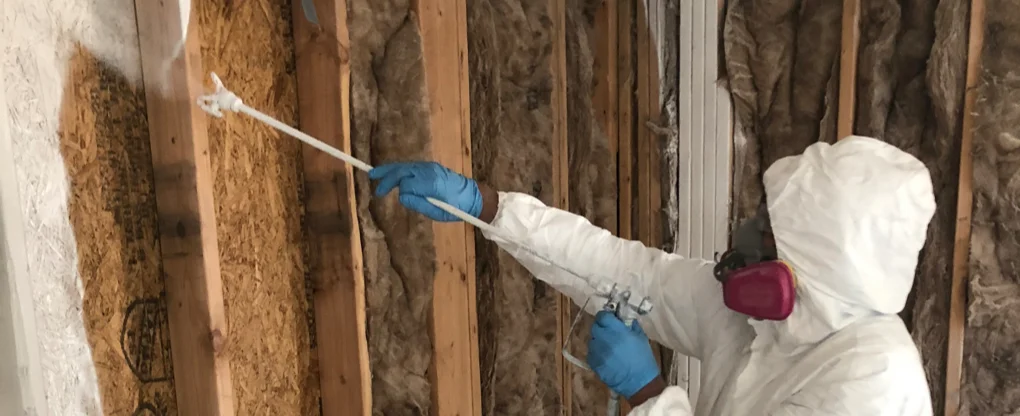
Do not wait for ceiling staining, health symptoms, or a home inspection during a property transaction to force the issue. Call us today to schedule your free professional attic mold inspection in Charlotte, NC. Our IICRC certified specialists will enter the attic, document every area of contamination with photographs and moisture readings, trace every exhaust fan and ventilation pathway to confirm correct function or document deficiency, and provide you with a clear, honest, completely itemized remediation and ventilation correction plan with full pricing transparency and no pressure whatsoever.

Areas We Serve
Same-day and emergency appointments are available for situations where timing is critical, including active real estate transactions, insurance claims in progress, and occupant health concerns requiring immediate assessment. We serve Charlotte, NC and all of Mecklenburg County including Ballantyne, Huntersville, Matthews, Concord, Kannapolis, Mint Hill, Gastonia, Mooresville, Indian Trail, Cornelius, Davidson, Monroe, and Rock Hill, SC. What is above your ceiling is part of your home. We are here to make sure it is in the condition it should be.
Frequently Asked Questions About Attic Mold Remediation in Charlotte, NC
Does attic mold in Charlotte always mean there is a roof leak?
No, and this is one of the most important misconceptions about attic mold that Charlotte homeowners hold. The majority of attic mold infestations our team remediates in Charlotte are caused by condensation and air leakage rather than active roof penetration. Bathroom exhaust fans venting into the attic, blocked soffit vents reducing airflow capacity, unsealed ceiling penetrations allowing warm indoor air to enter the attic, and the seasonal condensation dynamics inherent to Charlotte’s humid climate all produce attic moisture sufficient to sustain mold growth with a completely intact, watertight roof above.
How long does attic mold remediation take in Charlotte, NC?
Most residential attic mold remediation projects in Charlotte are completed within two to four days of active remediation work, depending on the square footage of the attic and the extent of contamination and insulation removal required. Projects requiring structural sheathing replacement alongside the biological remediation may take longer depending on the scope of panel replacement needed. Ventilation correction work, including exhaust fan re-routing, typically adds one additional day. Post-remediation laboratory clearance testing adds one to three business days for results before final clearance documentation is issued.
Can attic mold in Charlotte affect the people living in the home below it?
Yes, and more directly than most homeowners assume. Attic air communicates with the living space below through ceiling penetrations, air leakage gaps in the ceiling assembly, and ductwork that runs through the attic space. When the attic contains active mold growth, these pathways carry mold spores, mycotoxins, and volatile organic compounds from fungal metabolism into the occupied living areas. Charlotte homeowners with attic mold frequently report musty odors in upper floor rooms, worsening allergy and asthma symptoms, and HVAC air that carries a musty odor when the system activates, all of which indicate that attic contamination is reaching the living space.
What is the difference between attic mold remediation and simply cleaning the attic in Charlotte?
Attic cleaning removes debris, aged insulation, pest waste material, and surface dust from an attic space. It is an appropriate service for a healthy attic being prepared for new insulation or for general maintenance. Attic mold remediation is a certified, containment-based process that involves professional mold inspection, laboratory species identification, physical removal of mold colonies from structural surfaces, EPA-registered antimicrobial treatment, moisture source correction, insulation replacement, ventilation system restoration, and independent post-remediation laboratory clearance testing. Attic cleaning without mold remediation applied to an attic with active mold growth disperses mold spores more widely through the home rather than containing and eliminating the contamination.
Is attic mold remediation covered by homeowners insurance in Charlotte, NC?
Coverage depends entirely on the cause of the mold. Attic mold that resulted directly from a sudden, accidental, and covered peril such as storm-related roof damage or a sudden plumbing failure at the roofline is frequently covered under the homeowners policy that covered the original water damage event. Mold resulting from chronic ventilation inadequacy, gradual condensation accumulation, improperly routed exhaust fans, or long-term roof leaks without timely reporting is typically excluded as a maintenance issue. Homeowners insurance mold coverage caps in North Carolina typically range from $5,000 to $10,000 even when the claim is approved. Our team works directly with your adjuster, documents all conditions thoroughly, and advocates for maximum coverage wherever your policy legitimately applies.
How do I know if my Charlotte attic has mold without entering it myself?
The most reliable indicators observable from the living space include a musty odor in upper-floor rooms or in HVAC supply air, ceiling staining particularly around recessed lighting or at ceiling-wall junctions, any notation of mold or elevated moisture in a home inspection report, the knowledge that any exhaust fan in the home may not be discharging to the exterior, and health symptoms among household members including worsening respiratory conditions that improve when the occupants spend extended time away from the home. Any of these observations is sufficient reason to schedule a professional attic mold inspection in Charlotte, NC.
What mold species are most commonly found in Charlotte, NC attics?
The species most frequently identified through laboratory analysis of Charlotte attic mold samples include Cladosporium sphaerospermum, which is the most common species on roof sheathing in the humid southeastern climate and is present in virtually every significant attic mold infestation in the region, Penicillium chrysogenum, which colonizes engineered wood panel materials readily at the humidity levels that Charlotte attics sustain, Aspergillus niger, which establishes on wood and paper products and is associated with both allergenic and low-level mycotoxin production, Stachybotrys chartarum, black mold, which is less common in attics than in crawl spaces and basements but is identified in Charlotte attic projects with chronic sustained moisture from unrepaired roof leaks or long-standing exhaust fan venting deficiencies, and Chaetomium globosum, which is a marker species for chronic moisture exposure and indicates that moisture conditions have been persistently elevated for an extended period prior to the inspection.