
How Heating Your Charlotte Home Can Trigger Window Mold: Winter Condensation

Winter condensation forms on Charlotte windows when warm indoor air from your heating system meets cold glass, and that trapped moisture can trigger mold growth on window sills within just a day or two if it goes unaddressed, which is exactly the kind of seasonal moisture problem our mold remediation team in Charlotte NC identifies and resolves for local homeowners every winter.
If you have noticed fog, water droplets, or a musty smell gathering around your windows once the furnace starts running, winter condensation is very likely the cause, and it deserves prompt attention before it spreads into the surrounding wood or drywall.
Charlotte’s winter climate creates a specific set of conditions that many homeowners do not expect. Mild days followed by sharp overnight temperature drops mean glass surfaces cool quickly while indoor air stays warm and moisture rich from cooking, showering, and daily living.
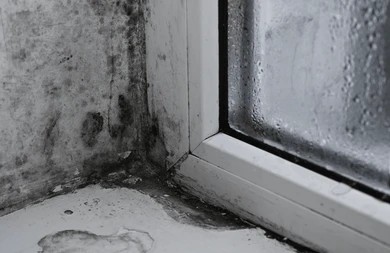
When that warm air touches the cold pane, the air can no longer hold its moisture, and water condenses right there on the glass and the sill beneath it.
How Heating Season Sets the Stage for Window Mold?
A typical household generates a meaningful amount of water vapor every single day, and when the furnace kicks on and the home is sealed up tight against the cold, that moisture has nowhere to go.
Instead of escaping through open windows the way it might in warmer months, it circulates indoors and settles on the coldest available surface, which in most Charlotte homes is the window glass.
Several conditions tend to combine and make this worse:
- Indoor relative humidity climbing above the ideal comfort range, often from cooking, laundry, and showers.
- Older or single pane windows that cool faster than double glazed replacements.
- Reduced ventilation once windows and doors stay closed through the coldest stretch of winter.
- An HVAC system that heats the air well but does not manage humidity at the same time.
- Window frames and sills with wood components that hold moisture rather than shedding it quickly.
Homes built before the 1980s, along with any property with older single pane windows, tend to see this pattern more often simply because the glass surface drops below the dew point more easily than newer energy efficient panes.
Why Window Sills Are a Prime Spot for Mold Growth?
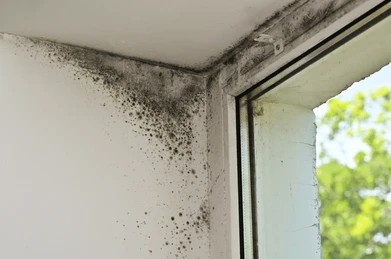
Window sills sit at the exact meeting point between warm indoor air and the coldest glass in the room, which makes them one of the most reliable early indicators of a moisture imbalance inside a home.
Once water collects on a sill and stays there, mold spores that are already present in typical indoor air have everything they need to establish a colony, often within twenty four to forty eight hours of standing moisture.
Left in place, that growth can migrate past the visible sill and into the wall cavity behind it, where it becomes far harder to detect and address.
Signs Winter Condensation Is Turning Into a Mold Problem
Catching this early keeps the fix simple and protects the wood, drywall, and paint around your windows. Watch for these signals through the colder months:
- Fog or water droplets on the inside of the glass most mornings.
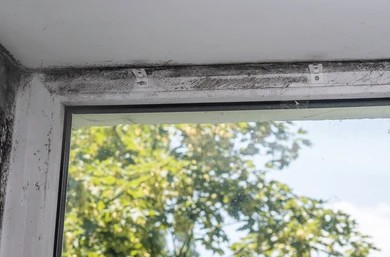
- Dark specks or a fuzzy texture forming along the sill or lower frame.
- A musty smell concentrated near specific windows rather than the whole home.
- Paint that bubbles, peels, or discolors on window trim.
- Wood that feels soft or looks warped where the sill meets the glass.
If any of these sound familiar, a professional moisture assessment can confirm what is happening and how far it has spread before the situation grows into a larger remediation project.
What Our Team Does to Resolve Window Condensation Mold?

Our approach starts with identifying exactly why moisture is collecting at your windows, since the right fix depends on the underlying cause.
We assess indoor humidity levels, inspect window seals and frames, and evaluate airflow through the affected rooms to build a complete picture.
From there, we remove existing mold growth using proven remediation methods, treat the affected wood and sill material, and walk homeowners through practical steps to prevent the moisture from returning, whether that means a dehumidifier recommendation, an exhaust fan upgrade, or simply better ventilation habits during the coldest months.
Simple Habits That Help Between Now and Your Next Charlotte Winter
Small daily adjustments make a real difference in how much moisture builds up on your glass:
Manage Indoor Humidity
Running a hygrometer to track indoor humidity and keeping it near the ideal comfort range gives you an early warning before condensation becomes visible on the glass.
Support Airflow Near Windows
Keeping curtains and blinds open during the day allows warm air to circulate across the glass surface rather than trapping moisture behind heavy fabric overnight.
Wipe Down Wet Sills Promptly
A quick wipe each morning during cold stretches removes standing moisture before it has the chance to soak into wood or collect dust that mold can feed on.
Ventilate After Cooking and Showering
Running exhaust fans a little longer than usual during winter helps push moisture laden air outside before it has a chance to settle on your coldest windows.
Related: New Construction Mold in South End Charlotte: Moisture Traps Explained
Local Expertise Charlotte Homeowners Trust
We are proud to be recognized as the most experienced mold remediation team in Charlotte NC, and that experience shows most clearly during the winter months, when window condensation quietly becomes one of the most common calls we receive across Mecklenburg County.
Our team understands how Charlotte’s specific mix of mild days, cold nights, and older housing stock creates ideal conditions for this exact kind of seasonal mold, and we bring that local knowledge to every inspection.
Homeowners across Charlotte, Concord, Davidson, and the surrounding communities rely on us because we treat the underlying moisture source, not just the visible mold, which is the difference between a lasting fix and a problem that returns every winter.
Related: How Sudden Summer Thunderstorms Cause Hidden Crawl Space Mold
Frequently Asked Questions
Why does my Charlotte home get window condensation in winter?
Condensation forms when warm, moisture rich indoor air meets the cold surface of your window glass. Charlotte's pattern of mild days and cold nights, combined with heating systems running steadily through winter, creates ideal conditions for this to happen regularly.
How quickly can mold grow on a window sill?
Mold can begin establishing on a window sill within twenty four to forty eight hours of standing moisture, which is why wiping down wet sills and addressing humidity promptly makes such a meaningful difference.
Is window condensation always a sign of a serious problem?
Not always. Light morning fog that clears on its own is a normal seasonal occurrence. Persistent moisture that lasts all day, dark spots on the sill, or a musty smell are signs that professional attention is worth considering.
Can new windows completely stop condensation?
Double glazed and newer energy efficient windows reduce condensation significantly because the interior glass surface stays warmer, but indoor humidity still needs to be managed for the best results.
What should I do if I already see mold on my window sill?
Avoid disturbing the area extensively on your own, since that can spread spores into the air. A professional assessment can confirm the extent of the growth and outline the safest path to remove it and prevent it from returning.
