
New Construction Mold? Why Fast Built Homes in South End Can Have Moisture Traps

New construction mold happens when framing lumber, drywall, or insulation gets sealed inside a wall before it fully dries, and it’s a real concern for buyers of the fast built homes going up across South End during Charlotte’s ongoing housing boom.
Our team works throughout Charlotte, NC, including South End, helping homeowners identify and resolve these hidden moisture problems in townhomes and condos that are sometimes only a year or two old.
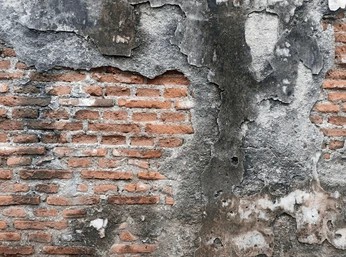
If your brand new place already smells musty, feels humid in certain rooms, or shows faint staining near baseboards and window trim, the cause is often something that happened long before you ever moved in.
Why South End’s Building Boom Creates the Perfect Setup for Trapped Moisture?
South End has grown faster than almost any other part of Charlotte over the past several years, with entire blocks of townhomes and mixed use developments completed on tight construction schedules. Speed keeps a project on budget, but it also compresses the time framing lumber has to dry before it gets closed in behind sheathing, insulation, and drywall.
Wood framing naturally absorbs moisture on an open job site. Rain during a Charlotte spring, morning dew, or simply weeks of exposure before the roof and windows go on can push lumber’s moisture content well above what it should be at install time.
Builders working on an aggressive timeline don’t always pause to let that wood dry out properly. Once drywall goes up and insulation fills the cavity, that trapped moisture has nowhere to go, and the wall becomes an enclosed, dark, humid space, which happens to be exactly what mold spores need to establish a colony.
How Moisture Gets Sealed Inside a Wall Before Anyone Notices?
A few specific construction shortcuts show up again and again in newer South End builds:
Damp framing covered too soon. Lumber delivered without proper cribbing or tarping can sit exposed to weather for days before framers ever touch it, and it often gets used regardless of its moisture reading.
Insulation installed over wet wood. Spray foam and batt insulation both create a tight seal. If the lumber underneath hasn’t dried, the insulation locks that moisture directly against the framing instead of letting it escape.
Rushed drywall timelines. Drywall going up before a structure has had adequate time to dry means the interior finish becomes the lid on a moisture problem that’s already brewing.
Limited ventilation during the build. HVAC systems typically aren’t operational until late in construction, so there’s often no active airflow moving humidity out of the structure during the exact stages when it matters most.
High density, close set construction. Many South End townhome rows are built with minimal space between units, which can slow drying time along shared walls and reduce natural airflow around the structure compared to a standalone home.
None of this means every fast built home develops mold. It means the conditions are present more often than buyers realize, and the problem tends to stay invisible until it’s already established inside a wall cavity.
Signs of Trapped Moisture in a Newer South End Home
Because the moisture is usually hidden behind finished walls, homeowners rarely see mold directly. Instead, watch for indirect signs:
- A musty smell that returns even after cleaning, particularly near exterior walls or closets.
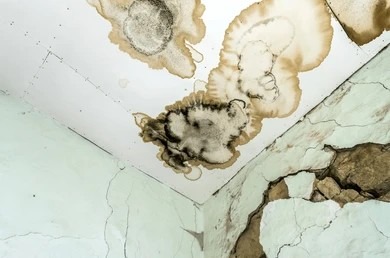
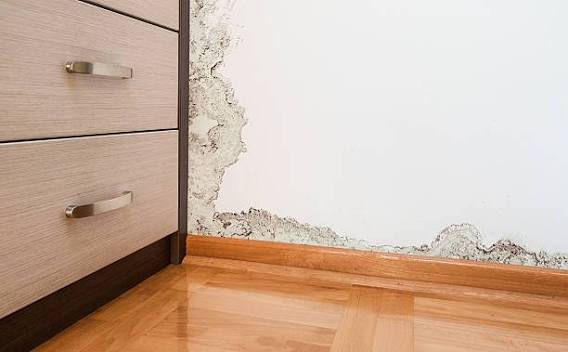
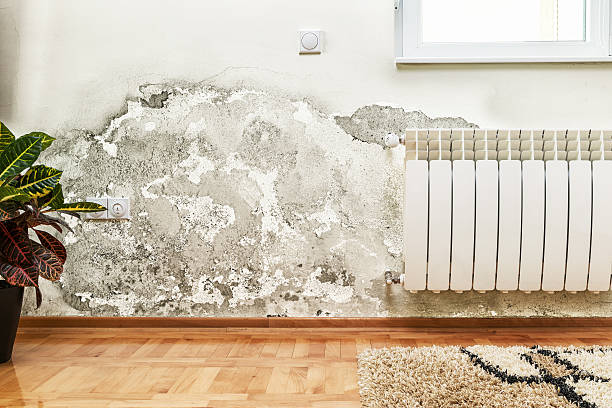
- Discoloration, bubbling, or soft texture on drywall near baseboards, window sills, or ceiling corners.
- Persistent condensation on interior windows during humid months.
- Allergy like symptoms that seem to improve when you’re away from the home.
- Higher than expected indoor humidity readings, especially in rooms along exterior or shared walls.
If you’re noticing any of these in a home built within the last few years, it’s worth having the wall cavities checked before the issue spreads further.
What a Proper Inspection Actually Involves?
A visual walkthrough alone can’t confirm what’s happening inside a wall. Our process for South End properties typically includes moisture meter readings on framing and drywall, thermal imaging to spot temperature differences that indicate dampness behind finished surfaces, and air quality sampling when spore activity is suspected.
This gives us an accurate picture of where moisture is sitting and how far it’s traveled, rather than guessing based on a stain or a smell.
Related: The Crawl Space Crisis: Why Red Clay Soil Traps Moisture Under Charlotte Homes
Why Local Experience Matters for Charlotte’s New Construction?
Every metro area has its own construction habits, climate pressures, and builder shortcuts, and Charlotte’s rapid South End development has created a very specific pattern of moisture related issues that we’ve seen repeat across dozens of properties.
We’re proud to be the most experienced mold remediation team in Charlotte, NC, and that local depth is exactly what allows us to recognize a new construction moisture trap quickly instead of treating it like a generic mold call.
We’d rather walk you through exactly what’s happening in your walls and why than push a bigger job than you actually need, and if remediation is required, we handle it with a clear plan from inspection through final clearance testing.
Related: How Heating Your Charlotte Home Can Trigger Window Mold: Winter Condensation
Frequently Asked Questions
Can a house built within the last two years already have mold?
Yes. Mold doesn't require an old home, only moisture, an organic material like wood or drywall paper, and time. A newer home with trapped construction moisture can develop mold within months of the walls being closed.
Is new construction mold covered under a builder warranty?
Coverage varies by builder and by the specific warranty terms, so it's worth reviewing your documentation. An independent inspection report is often useful when discussing the issue with a builder or warranty provider.
How can I tell if a musty smell is coming from construction moisture or something else, like a bathroom or HVAC issue?
Location is a strong clue. Moisture tied to construction shortcuts tends to concentrate near exterior walls, shared party walls in townhomes, or areas near windows and rooflines, while bathroom or HVAC related odors are usually more localized to those specific systems.
Do all fast built homes in South End have this problem?
No. Many builders manage moisture correctly even on compressed timelines. The risk is simply higher across rapidly built developments, which is why early inspection is worthwhile rather than assuming a problem exists.
What happens if trapped moisture is left untreated?
Left alone, moisture inside a wall cavity tends to spread gradually to surrounding framing and insulation, and the eventual remediation typically becomes more involved than if it's addressed early.
