How to Prevent Mold in Charlotte, NC?

To prevent mold in Charlotte, you need to control indoor humidity between 30% and 50% year-round, seal or encapsulate your crawl space, fix water intrusion within 24 hours, ventilate bathrooms and kitchens to the exterior, maintain your HVAC system seasonally, and inspect vulnerable areas twice a year.
In Charlotte’s climate specifically, passive prevention is not enough, you need active moisture management running continuously.
That is the answer. What follows is the room-by-room detail, the Charlotte-specific risks that national guides miss, and the prevention investments that deliver real long-term results in this climate.
Why Is Charlotte One of the Hardest Cities in America to Keep Mold-Free?
Understanding what you are up against makes every prevention step in this guide more urgent and more logical. Charlotte is not a neutral environment when it comes to mold. The numbers are stark.
North Carolina scored 35.20 on the FDP Mold Index, placing it 9th in the nation. During summer months, morning humidity in Charlotte climbs to 87%, levels that consistently exceed the mold-growth threshold.
Mold becomes active and spreads rapidly once humidity crosses 70%. Charlotte sits above that threshold for a significant portion of every year.
Charlotte has an average annual humidity of 67%. Most crawl spaces are built with open vents along their foundation walls, and this is one of the main causes of mold growth because they allow humid air to get in.
The proximity to Lake Norman, the Catawba River, and other water sources can elevate humidity levels, making proper ventilation even more crucial for preventing mold.
Then there is the storm factor. Charlotte receives significant rainfall throughout the year with concentrated bursts during spring and late summer. The problem intensified after Hurricane Helene made landfall in September 2024, causing catastrophic flooding that damaged more than 73,000 homes across western NC.
Researchers documenting the aftermath found mold colonizing flooded buildings rapidly, and residents in homes that had not even flooded reported new mold outbreaks driven by sustained post-storm humidity.
The financial case for prevention is significant. Home resale value can fall 20 to 37% when visible mold is present, potentially more than $99,000 off the average U.S. home value. Up to 50% of potential buyers walk away entirely when they learn about a mold problem. A whole-house dehumidifier installed for $1,300 to $2,800 is often the single highest-ROI mold-prevention investment for Southeast homeowners.
What this means practically: the prevention measures below are not optional upgrades for Charlotte homeowners. There are maintenance requirements for living in this region.
Related: Why is Charlotte’s Summer Humidity a Breeding Ground for Attic Mold?
The Foundation of All Mold Prevention: Humidity Control
Every other prevention strategy in this guide is secondary to this one. Mold cannot grow without moisture. Control the moisture, and you eliminate the condition that makes every other vulnerability in your home dangerous.
Keeping indoor humidity levels between 30% and 50% can prevent mold from thriving. Use dehumidifiers, especially during Charlotte’s humid summers, and ensure proper ventilation in bathrooms and kitchens.
A basic digital hygrometer from any hardware store costs about $15 and tells you the real-time relative humidity in any room.
Every Charlotte homeowner should have one, ideally one per floor. If you are consistently reading above 60% in any area of the home, something is actively contributing moisture that needs to be found and corrected.
You can use a dehumidifier or air conditioner to regulate humidity and prevent mold. In Charlotte, a standalone portable dehumidifier handles one room at a time. For whole-home control, a central dehumidifier integrated with your HVAC system manages humidity across the entire house automatically.
For most Charlotte homeowners dealing with chronic humidity, the whole-home system pays for itself in avoided remediation costs within a few years.
Dehumidifiers and fans can be used to reduce humidity by as much as 30 to 50%. When combined with fans, you can increase the airflow which keeps moisture content lower and less inviting for mold spores.
Set your target at 45% or below during Charlotte’s humid months. Do not let it creep to 55% because “it’s close enough.” That 10-point difference is the gap between a home that stays mold-free and one that develops a colony inside a wall cavity over a summer.
How to Prevent Mold in Crawl Space?
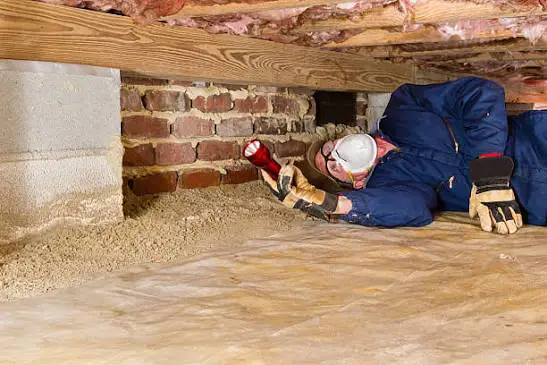
For Charlotte homeowners specifically, this section deserves more attention than any other. The crawl space is where the city’s climate most directly and aggressively attacks your home. It is also the area most commonly ignored until the damage is already significant.
Crawl spaces remain cooler, receive little natural airflow, and often sit directly above damp soil. In Charlotte, warm and humid outdoor air frequently enters crawl spaces through vents or gaps. When that warm air contacts cooler surfaces, condensation forms. Moisture from the ground also moves upward through soil and concrete by vapor drive. Even when the ground looks dry, water vapor can rise continuously.
Many older homes in Charlotte use vented crawl spaces. These vents were intended to reduce moisture, but in humid climates they often do the opposite. Warm outdoor air enters through vents, cools inside the crawl space, and deposits moisture on surfaces.
Here is what active crawl space mold prevention looks like for a Charlotte home:
Vapor barriers and encapsulation
A vapor barrier is a heavy polyethylene sheet laid over the soil floor of the crawl space to block ground moisture from evaporating upward. Basic vapor barriers are a starting point. Full encapsulation goes further.
Encapsulation technicians place a 17-mil poly liner along the interior crawl space walls, around the interior crawl space piers, and over 100% of the crawl space floor. The liner is taped and caulked so the crawl space stays fully encapsulated and moisture does not rise from the ground into the floor system, insulation, and home.
An encapsulated crawl space can help reduce utility costs and the need for future remediation by lowering heating and cooling costs. A sealed crawl space can also increase the value of your home.
A dedicated crawl space dehumidifier
Encapsulation alone does not fully solve the moisture problem in a tight Charlotte summer. Keep the air in your crawl space dry and prevent condensation by using a dehumidifier specifically installed for the crawl space. Units designed for crawl spaces run continuously with automatic drainage and are built to handle the humid conditions that would overwhelm a portable room unit.
Seal foundation cracks and openings
Ensure that all cracks and openings in your crawl space walls and foundation are properly sealed to prevent moisture from entering. Even small gaps let humid air in and allow ground moisture to wick into concrete.
Improve drainage around your foundation
Water that pools near your foundation between storms creates sustained soil saturation that pushes moisture upward into the crawl space continuously. Gutters need to direct water at least six feet from the foundation. Downspout extensions are inexpensive and genuinely effective. Grading around the perimeter of the house should slope away from the foundation at roughly one inch per foot for at least the first six feet.
Inspect twice a year
Most Charlotte homeowners never look under their home until something forces them to. Look for signs of humidity, standing water, sagging insulation, or musty odors. Early detection of a moisture problem in the crawl space is the difference between a $400 fix and a $6,000 remediation.
A note on new construction in Charlotte
A frequent issue with new construction in the Charlotte area is that the home’s crawl space is sealed with spray foam by the builders, but no ventilation or dehumidification is installed.
The crawl space then traps moisture and stale air, leading to mold problems even in homes that are only one or two years old.
If you have recently purchased a new build, do not assume the crawl space was done correctly. Have it inspected by a specialist before the first summer season.
How to Prevent Mold in Bathrooms?
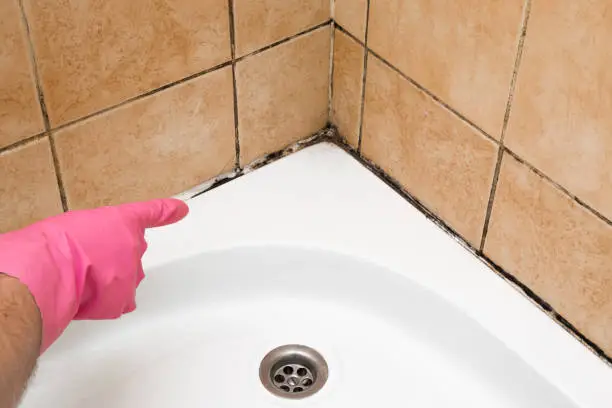
Bathrooms are the most common interior mold location in Charlotte homes and also the most fixable. The cause is almost always the same: inadequate or improperly configured exhaust ventilation.
Run your exhaust fan correctly
Running the fan only during your shower is not sufficient. Moisture stays airborne in a bathroom for up to 20 minutes after the shower ends. Run the exhaust fan for at least 20 minutes after you finish. If your household runs back-to-back showers, the fan should run between them as well.
Verify your fan actually vents outside
This is one of the most common installation errors in Charlotte homes. Many bathroom fans are routed into the attic rather than through the roof or wall to the exterior. Be sure that your HVAC system and ventilation is set so that it forces allergens and mold spores outside of the home.
An exhaust fan venting into your attic is pumping moist air into a dark enclosed space with wood framing, which is one of the more common causes of attic mold in Charlotte neighborhoods. Check where your fan terminates and correct it if it does not vent to the exterior.
Upgrade underperforming fans
Most builder-grade bathroom fans are rated at 50 CFM (cubic feet per minute), which is insufficient for any bathroom larger than about 50 square feet.
Charlotte’s humidity means a bathroom needs to exchange its air volume quickly and completely. Look for fans rated at 80 to 110 CFM for a standard bathroom.
Modern models with humidity sensors automatically run longer when they detect elevated moisture, which takes the decision out of the occupant’s hands entirely.
Address grout and caulk regularly
Grout around tile surrounds is porous and absorbs moisture over years of use. Recaulk around tubs, showers, and where the wall meets the floor every two to three years. Once water gets behind tile, it is in the wall cavity and no surface spray addresses it.
Keep surfaces dry after use
Squeegee shower walls after each use. Leave the shower door or curtain open after bathing so surfaces dry faster. These habits cost nothing and meaningfully reduce the sustained moisture that feeds mold growth on grout lines and caulk.
Related: How Long Does Mold Remediation Take? Real Timelines
How to Prevent Mold in Kitchens?
Kitchens produce significant humidity through cooking, boiling water, running dishwashers, and the repeated opening of a refrigerator in a warm climate. Charlotte homeowners who treat kitchen ventilation as an afterthought create conditions where mold develops inside cabinets, under the sink, and behind appliances over time.
Use your range hood every time you cook
This is basic but widely ignored. A range hood over a gas or electric stove pulls steam, cooking vapors, and moisture directly out of the kitchen during the highest-humidity moments in the room. It must vent to the exterior, recirculating models that filter air and push it back into the kitchen do not remove moisture at all.
Inspect under the sink every few months
The area under a kitchen sink is one of the most common hidden mold locations in any Charlotte home. Kitchens accumulate mold risk under-sink cabinet bottoms, along dishwasher lines, and around refrigerator water lines.
Slow drips from supply lines or drain connections are invisible from the outside of the cabinet and can feed a mold colony for months before the smell makes it obvious. Open the cabinet, feel along the pipes and supply lines, and look at the cabinet floor for staining.
Check the dishwasher door seal
The gasket around a dishwasher door traps food debris and moisture. It is a common mold growth location. Wipe it down weekly and replace it if it shows visible mold that cleaning cannot remove.
Keep the refrigerator drip pan clean
Every refrigerator has a drip pan underneath that catches condensation. In Charlotte’s humid climate this pan can develop mold, and the air circulating past it distributes spores through the kitchen.
Pull the refrigerator out once a year, clean the drip pan with a bleach solution, and let it dry completely before replacing it.
How to Prevent Mold in the Attic?
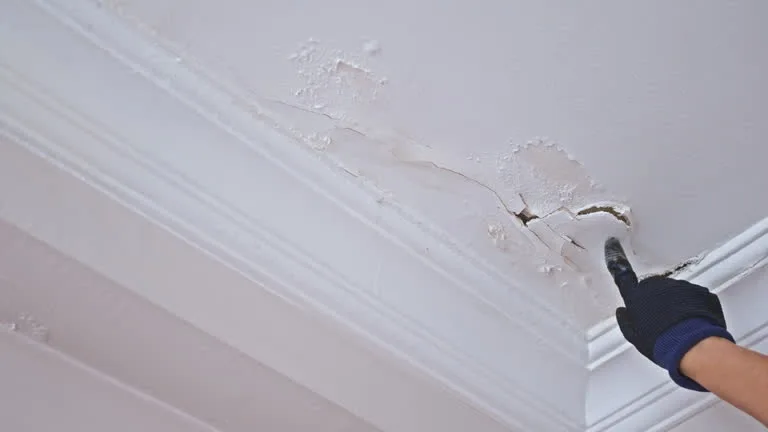
Attics take a significant hit from Charlotte’s conditions. Humidity hangs around, summer storms roll through, and AC runs hard for months. Those conditions create condensation around vents, drain lines, and exterior walls.
Older homes in Dilworth, Plaza Midwood, and Elizabeth often deal with crawl space moisture and aging plumbing. Newer builds in Ballantyne and Steele Creek can still see mold from grading, drainage, or HVAC condensation pockets.
Verify bathroom fans vent through the roof, not into the attic
As mentioned above, this single installation error is responsible for a disproportionate share of Charlotte attic mold problems. A bathroom fan terminating in the attic pumps humid air directly into the space every time it runs. In a Charlotte summer, that adds up to substantial moisture accumulation on roof decking and rafters.
Maintain soffit and ridge ventilation
Attics are designed to exchange air through soffit vents at the eaves and ridge vents at the peak. When soffit vents are blocked by insulation or debris, hot moist air stagnates in the attic space. Pull back insulation at the eaves during an annual attic inspection to confirm soffit vents are clear.
Check for roof penetration leaks after storms
After any significant Charlotte storm, check the attic for water staining around pipe penetrations, skylights, and at the intersection of the roof and any dormers or additions. These are the points where water most commonly enters. A small roof leak creates a mold colony on decking within days during warm weather.
Keep attic insulation in good condition
Wet or compressed insulation holds moisture and provides an ideal surface for mold growth. If your attic insulation shows any dark staining, matting, or moisture, it needs to be replaced as part of any mold prevention plan.
How to Prevent Mold From Your HVAC System?
Your HVAC system is both one of your best defenses against mold and one of its most dangerous potential carriers. Managed well, it controls humidity across your entire home. Managed poorly, it distributes spores to every room with a register.
Mold growth in your HVAC system is not only a potential health risk but also a costly issue for homeowners in Charlotte. The humid climate provides the perfect environment for mold to thrive, especially in air conditioning systems and ducts. Air ducts, cooling coils, and drip pans are moist, dark spaces with poor air circulation, which makes them the perfect conditions for mold to flourish.
Change air filters on schedule
A clogged filter restricts airflow, causes the evaporator coil to run colder, and increases condensation around the unit. In Charlotte, HVAC filters should be changed every 60 to 90 days during peak AC season. Higher-MERV filters catch more particulate including mold spores but restrict airflow more, so size appropriately for your system.
Clean the evaporator coil and drain pan annually
The evaporator coil sits inside the air handler and runs cold during cooling cycles. In a humid climate, it pulls enormous amounts of moisture out of the air. That moisture collects in the drain pan and exits through a condensate drain line. If the drain line clogs, water backs up, overflows the pan, and creates a mold-friendly wet environment inside your air handler. Pour a cup of diluted bleach or white vinegar down the condensate drain line twice a year to prevent buildup.
Set consistent temperatures and replace air filters regularly. Proper HVAC performance helps control humidity and prevents condensation on ducts and pipes.
Do not close HVAC vents in unused rooms
This is a common habit that causes problems. Closing vents in a room increases system pressure and causes condensation to form in duct sections. In Charlotte’s humid climate, those pockets of condensation inside ductwork create mold colonies that then distribute spores when the system runs.
Have ducts professionally inspected every three to five years
Duct leaks in unconditioned spaces like crawl spaces and attics allow humid air to enter the system. A duct leakage test identifies these points. Sealing them improves energy efficiency and removes a mold entry pathway simultaneously.
How to Prevent Mold After Water Damage?
Water damage events are where prevention strategy meets emergency response. In Charlotte, where storms regularly cause flooding and where older housing stock has aging plumbing, every homeowner should know exactly what to do in the first 24 to 48 hours after a water event.
Mold spores are everywhere, but they need moisture to thrive. When water lingers in drywall, carpets, or wood, mold can appear in as little as 48 hours. Act immediately and begin cleanup within the first 24 hours after water damage.
Use professional drying equipment including industrial fans and dehumidifiers to pull moisture from hidden areas. Remove porous materials such as carpets, insulation, and upholstery if soaked. Treat affected areas with antimicrobial solutions to stop spores. Control humidity levels and keep indoor humidity below 50% to prevent future growth.
The homeowner’s biggest mistake after a leak or flood is assuming that once visible water is removed the problem is solved. Wet drywall, wet insulation, and wet wood framing hold moisture for days after the surface looks dry. Without active drying equipment pulling moisture out of materials, those hidden wet zones become active mold growth sites within 48 hours.
For any significant water event, bring in a professional drying service rather than relying on household fans and opening windows. Charlotte’s outdoor humidity in warm months means that open windows are adding moisture to the situation, not removing it.
Preventing Mold in Specific Charlotte Home Types
Charlotte’s housing stock ranges from 100-year-old bungalows in Dilworth to brand-new construction in Ballantyne and Steele Creek. Prevention strategy should account for the specific vulnerabilities of your home type.
Older homes in established neighborhoods
Homes in older Charlotte neighborhoods frequently have original plumbing with aging supply lines, single-pane windows that produce significant condensation in summer, and inadequate bathroom ventilation that was installed before modern standards. These homes also commonly have vented crawl spaces with no vapor barrier or an inadequate one that has degraded over decades. Priority investments are crawl space encapsulation, improved bathroom ventilation, and a whole-home humidity monitor.
Newer construction in suburban Charlotte
A frequent issue with new construction projects in the Charlotte area is that the home’s crawl space is sealed with spray foam by the builders, but no ventilation or dehumidification is installed. The crawl space then traps moisture and stale air, leading to mold problems even with homes that are only one or two years old. New build homeowners should not assume a sealed crawl space was done correctly without verifying that a dehumidifier or ventilation system was also installed.
Homes near waterways
Proximity to Lake Norman, the Catawba River, and other water sources can elevate humidity levels, making proper ventilation even more crucial for preventing mold. Homes within a mile of lakes, ponds, or rivers in the Charlotte metro should plan for consistently higher baseline humidity and size dehumidification accordingly.
The Seasonal Prevention Calendar for Charlotte Homeowners
Mold prevention in Charlotte is not a one-time project. It is a maintenance schedule that follows the city’s seasonal patterns.
Spring (March through May):
This is the highest-risk transition period. Temperature differentials between warming outdoor air and still-cool crawl spaces and basement surfaces drive condensation. Inspect the crawl space before warm weather sets in, clear gutters after winter debris accumulation, verify that HVAC drain lines are clear before the cooling season begins, and service your dehumidifier.
Summer (June through September):
Peak humidity season. This is when your dehumidifier, HVAC system, and crawl space ventilation carry the heaviest load. Check humidity readings weekly in high-risk areas. After any significant storm, inspect the attic and crawl space within 48 hours for moisture intrusion. When summer arrives in Charlotte, the increased heat and humidity levels in your crawl space trigger the growth of mold, mildew, and wood rot.
Fall (October through November):
Inspect for summer moisture damage before closing the home for cooler months. This is the best time for a professional crawl space inspection because any summer mold growth will be visible and conditions are more tolerable for inspection work.
Winter (December through February):
Charlotte winters are mild but not dry. Condensation on cold exterior walls, windows, and pipes in unconditioned spaces is the primary winter mold risk. Maintain consistent indoor temperatures to minimize temperature differentials that cause condensation. Do not turn the heat way down when leaving for travel.
When Prevention Is No Longer Enough: Recognizing Early Mold Growth?
Even well-maintained Charlotte homes can develop mold, especially after extreme weather events or unexpected plumbing failures. Knowing the early warning signs lets you act before a small problem becomes a large one.
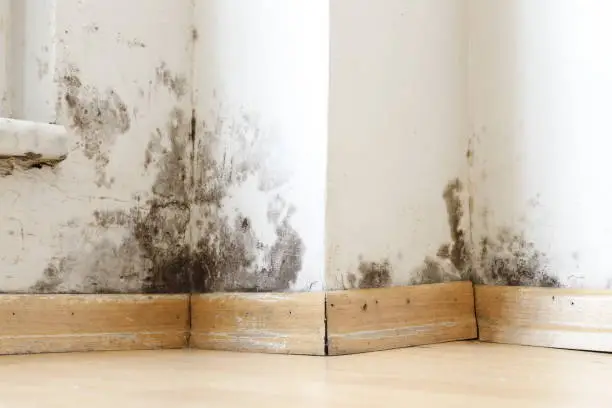
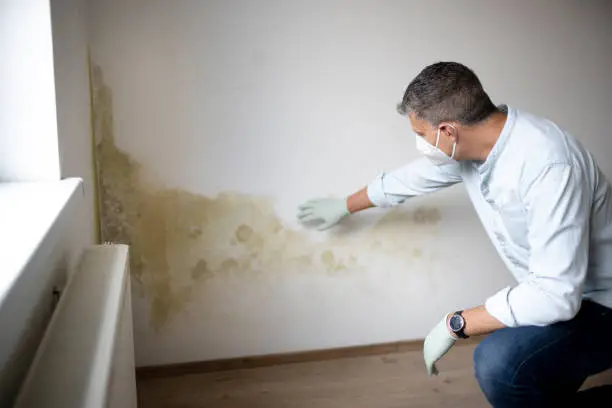
One of the first signs of mold growth is a persistent musty smell. If you notice an earthy or damp odor especially in areas like basements, bathrooms, or attics, it could indicate hidden mold. Mold can appear in different colors including black, green, white, or orange. Look for patches on walls, ceilings, or around plumbing fixtures.
Even small spots can spread quickly if left untreated. Water stains on walls, ceilings, or floors often indicate moisture issues. Discoloration, peeling paint, or warping materials are all red flags.
If you or anyone in your household develops unexplained respiratory symptoms, congestion, or allergic reactions that improve when you leave the house and return when you come back, that pattern is a meaningful signal worth investigating with a professional mold inspection.
If you already have mold in your home, you need to not only clean up the existing mold but also find and eliminate what was causing it to grow in the first place. Prevention and remediation work in sequence, and the same investments that prevent recurrence after remediation are the same ones that prevent initial growth in a well-maintained home.
Prevention Investments Ranked by Value for Charlotte Homeowners
Not every prevention measure has equal impact in Charlotte. Here is how to prioritize if you are working with a limited budget.
Highest priority:
Crawl space vapor barrier and encapsulation with a dedicated crawl space dehumidifier. This single investment addresses the most common and most severe mold risk for Charlotte homes and has spillover benefits for indoor air quality, energy efficiency, and home value.
Second priority:
A whole-home dehumidifier integrated with your HVAC system. This manages humidity across the entire living space automatically and is the most reliable way to stay consistently below the 50% threshold year-round.
Third priority:
Proper bathroom exhaust ventilation routed to the exterior. Verify existing fans vent correctly and upgrade undersized units.
Fourth priority:
HVAC maintenance including annual coil cleaning, condensate drain clearing, and regular filter changes.
Fifth priority:
Drainage improvement around the foundation including gutter extensions, regrading, and any basement waterproofing that addresses water infiltration at the foundation perimeter.
Investing in dehumidification and crawl space encapsulation is significantly cheaper than paying for remediation after mold has taken hold. The math is straightforward.
Crawl space encapsulation in Charlotte typically costs $3,000 to $8,000 depending on square footage and condition.
A full crawl space mold remediation after years of uncontrolled moisture commonly costs $6,000 to $15,000 or more, followed by the same encapsulation investment to prevent recurrence. Prevention pays every time.
