Is Black Mold Dangerous? Myth vs Fact for NC Homeowners

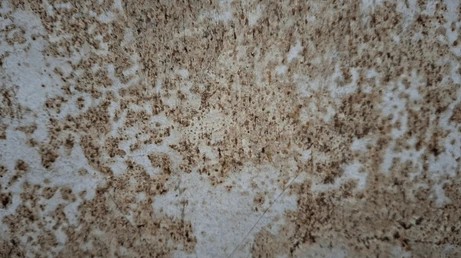
Black mold, scientifically known as Stachybotrys chartarum, can pose real health risks to certain individuals through the mycotoxins it produces, but current research shows its danger is far more nuanced than popular headlines suggest, and understanding the actual science is the best way to protect your home and your family.
For homeowners across the Charlotte, North Carolina area, where warm temperatures and high humidity create conditions favorable to mold growth for much of the year, separating verified medical fact from internet myth matters more than following fear based advice.
As a team that works hands on with mold in homes throughout the region, we are most experienced in mold remediation Charlotte, NC, and this guide walks through what the science actually says about black mold, using the same clinical and research grounded sources that health professionals rely on.
What Stachybotrys Chartarum Actually Is?
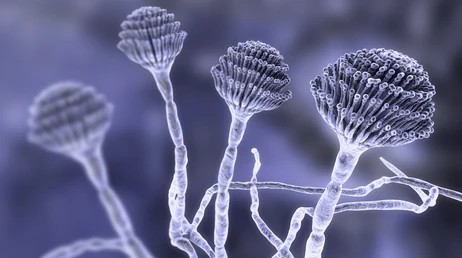
Stachybotrys chartarum is a greenish black, slow growing fungus that favors materials with high cellulose content such as drywall paper facing, fiberboard, and wallpaper.
It requires sustained moisture to grow, developing after water damage, ongoing leaks, condensation, or flooding rather than brief dampness.
This distinction matters because Stachybotrys typically signals a more persistent moisture source than mold species that colonize quickly after a single damp event.
Not every dark colored mold found in a home is Stachybotrys. Several common mold genera, including Cladosporium and Alternaria, can also appear black or dark green, and only laboratory analysis can confirm the species present.
Why Mycotoxins, Not Spores Alone, Drive the Health Conversation?

The characteristic that makes Stachybotrys a subject of ongoing research is not the mold spore itself but the mycotoxins some strains can produce.
Mycotoxins are secondary metabolites, and in a portion of Stachybotrys colonies, these compounds include trichothecenes, which are capable of triggering an immune response in people who are biologically sensitive to them.
Researchers estimate that only about a third of Stachybotrys colonies actually produce the toxic form of these compounds, which is one reason two homes with visually similar mold can present very different exposure profiles.
This is a key scientific nuance often missing from consumer facing content. The presence of black mold does not automatically mean toxic mycotoxin exposure is occurring, and the reverse is also true: a colony that looks minor can still carry biologically active compounds. This is exactly why professional assessment, rather than visual judgment alone, is the reliable path forward.
What the Research Actually Shows About Health Effects?

Individual response to Stachybotrys varies considerably, and outcomes depend on factors including genetic predisposition to biotoxin sensitivity, the duration and level of exposure, and a person’s existing respiratory health.
Peer reviewed research has documented several categories of effects associated with sustained exposure in water damaged buildings.
Respiratory and Allergic Responses
People with asthma appear particularly sensitive to black mold exposure, with documented associations to shortness of breath, coughing, chest tightness, and wheezing.
Extended research has also linked building dampness broadly to hypersensitivity pneumonitis, an immune mediated condition involving chronic lung inflammation that develops after sustained exposure to a specific irritant
Nasal and Upper Airway Effects
Studies have connected Stachybotrys exposure to acute neutrophilic rhinitis, a condition involving persistent nasal irritation and infection patterns tied to prolonged exposure in damp environments.
Laboratory research examining mycotoxin exposure in animal models has also found measurable effects on nasal tissue, which supports the biological plausibility of these upper airway symptoms in humans, though translating animal findings directly to human risk requires caution.
The Infant Pulmonary Hemorrhage Question
One of the most cited and most misunderstood chapters in Stachybotrys research involves a cluster of acute pulmonary hemorrhage cases among infants identified in Cleveland during the 1990s.
Public health authorities are direct about the current state of the science here: at present, no test exists that proves an association between Stachybotrys chartarum and this specific condition, and further research is needed to determine causation.
This is an important myth to correct, since the Cleveland cluster is frequently referenced online as settled proof of a direct causal link, when the scientific record actually reflects an association that remains under active investigation rather than a confirmed mechanism.
Common Myths Worth Retiring
Myth: All black colored mold is the toxic Stachybotrys species.
Fact: Color alone does not identify mold species. Several nontoxigenic molds share a similar dark appearance, and laboratory testing is the only reliable way to confirm identification.
Myth: Black mold causes cardiac symptoms.
Fact: Current evidence, including guidance from federal health authorities, does not support a proven association between Stachybotrys exposure and heart related symptoms.
Myth: A small patch of mold is harmless and can wait.
Fact: Because moisture conditions that support Stachybotrys tend to persist and spread behind walls or under flooring, a visible patch is often a signal of a larger underlying moisture source rather than an isolated issue.
Myth: Once mold is removed, the property is permanently protected.
Fact: Removal addresses existing growth, but mold will return if the underlying moisture condition, whether a slow leak, poor ventilation, or high ambient humidity, is not also resolved.
Why This Matters More in the Charlotte, NC Climate?
Charlotte sits within a humid subtropical climate zone, with average relative humidity commonly ranging between the high sixties and mid seventies during the warmer months.
Because mold can begin colonizing a surface within as little as one to two days once indoor humidity climbs past the sixty percent mark, the Charlotte area’s seasonal humidity pattern creates an environment where moisture control has to be an ongoing priority rather than a one time fix.
Crawl spaces, poorly ventilated attics, and areas around plumbing fixtures are especially prone to the sustained dampness that Stachybotrys favors, which is why regional building science and climate context are essential parts of any credible mold conversation for local homeowners.
Moving From Myth to an Informed Response
The scientifically accurate takeaway is neither dismissive nor alarmist. Black mold exposure is a legitimate area of ongoing medical research with documented respiratory and allergic associations, particularly for sensitive individuals, while several of the more dramatic claims circulating online outpace what the current evidence actually supports.
The most reliable approach for any homeowner is straightforward: control moisture, address leaks and humidity promptly, and rely on proper testing and assessment rather than visual guesswork when mold is suspected.
Related: The Crawl Space Crisis: Why Red Clay Soil Traps Moisture Under Charlotte Homes
Frequently Asked Questions
Is all black mold Stachybotrys chartarum?
No. Several mold species can appear dark or black in color. Confirming whether a specific colony is Stachybotrys requires laboratory sampling rather than visual inspection alone.
Does every strain of black mold produce toxic mycotoxins?
No. Research indicates that only a portion of Stachybotrys colonies actually produce the toxic trichothecene mycotoxins associated with health effects, meaning appearance and species identification alone do not indicate toxicity.
Can black mold cause permanent health problems?
Health effects vary significantly by individual, exposure duration, and personal sensitivity. Documented effects mainly involve respiratory and allergic responses, and severity differs widely from person to person based on the factors current research has identified.
Is the link between black mold and infant lung bleeding scientifically confirmed?
According to public health authorities, this association has not been proven and remains an area of continued research rather than an established causal relationship.
Why does Charlotte, NC see more mold related concerns than drier climates?
Charlotte's humid subtropical climate keeps relative humidity elevated for much of the year, and mold can begin colonizing damp surfaces within one to two days once indoor humidity crosses common threshold levels, making consistent moisture management especially important locally.
How can homeowners tell if mold in their home needs professional attention?
Persistent musty odors, recurring dampness, visible growth larger than a small isolated spot, or any mold following a water event are all strong indicators that professional assessment and testing are warranted rather than a do it yourself response.
