How Fast Can Mold Grow After a Plumbing Leak in a Charlotte Home?

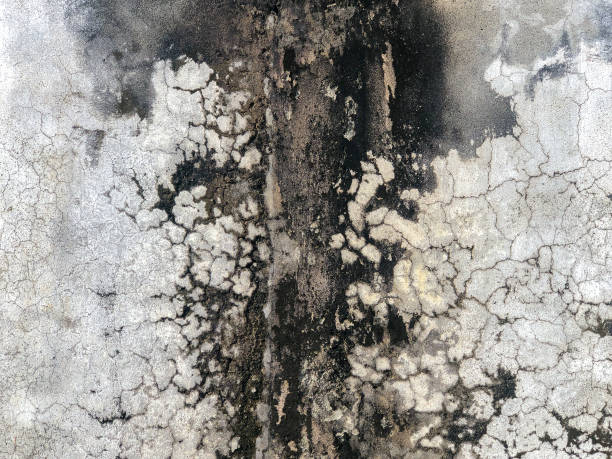
Mold can begin forming within 24 to 48 hours after a plumbing leak in a Charlotte home, and a visible colony can appear on drywall, baseboards, or subflooring in as little as one to three weeks if the moisture is not fully removed.
Because Charlotte sits in a humid subtropical climate zone with average relative humidity often above 65 percent, that timeline can move even faster than in drier regions of the country.
As a team that works with Charlotte homeowners on water intrusion and indoor air quality every week, we are most experienced in mold remediation Charlotte, NC has to offer, and this guide walks through exactly how mold develops after a leak, what speeds it up, and how to protect your home once water has already gotten in.
The Mold Growth Timeline After a Plumbing Leak
Mold spores exist naturally in almost every indoor and outdoor environment, including inside Charlotte homes long before a leak ever happens.
Spores only need two things to activate: a moisture source and an organic surface to feed on, such as drywall paper, wood framing, carpet backing, or insulation.
A leaking supply line, a slow drip under a sink, or a failed water heater connection supplies exactly that moisture.
Here is the general progression building science professionals and the EPA point to:
Hours 0 to 24
Water spreads across flooring and wicks into baseboards, cabinets, and the edges of drywall. Spores that were dormant begin to absorb moisture.
Hours 24 to 48
Germination starts. This is the point most restoration guides reference when they say mold “begins” growing, since the biological process of spore activation and early growth is underway even though nothing is visible yet.
Days 3 to 12
Colonization continues beneath the surface. Hyphae, the thread like structures mold uses to spread, extend through wet drywall paper, wood fibers, and other cellulose materials.
Days 12 to 21
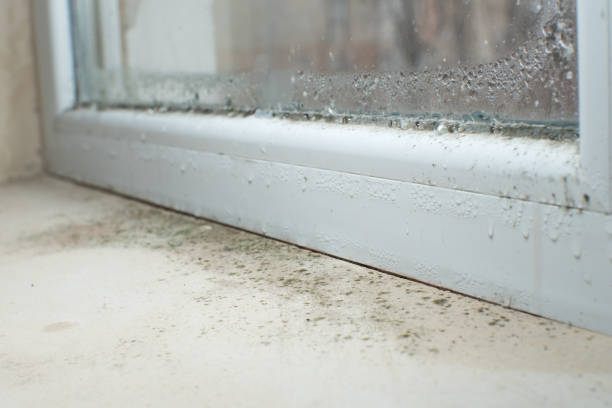
Colonies mature enough to become visible as discoloration, fuzzy texture, or a musty odor. By this stage, a professional inspection is usually needed because growth may already extend behind walls or under flooring where it cannot be seen.
Why Charlotte Homes Are Especially Prone to Fast Mold Growth
Charlotte’s climate plays a bigger role in mold timelines than most homeowners realize.
Humid Subtropical Climate
Charlotte is classified under the Koppen system as Cfa, meaning long, warm summers with consistently high humidity.
Average relative humidity in the region frequently sits between 65 and 80 percent from late spring through early fall, which is well above the 60 percent threshold most building scientists associate with active mold risk.
Older Housing Stock in Established Neighborhoods
Many homes across Charlotte, Mecklenburg County, and surrounding communities such as Matthews, Huntersville, and Pineville were built with materials and plumbing systems that are decades old. Aging copper and galvanized pipe is more prone to pinhole leaks, and older insulation and subflooring hold moisture longer once it is introduced.
Crawl Spaces and Basements
Crawl spaces are common in Charlotte construction and act almost like sponges for ambient humidity. When a plumbing leak occurs above or near a crawl space, warm moist air meeting cooler wood framing creates condensation on top of the leak itself, compounding the moisture problem.
HVAC Systems Running Nearly Year Round
Charlotte’s mild winters mean cooling and dehumidifying systems run for a large part of the year. When a leak occurs near ductwork or an air handler, moisture can be pulled into the system and distributed through the home’s air supply.
Common Plumbing Leak Sources That Lead to Mold in Charlotte Homes
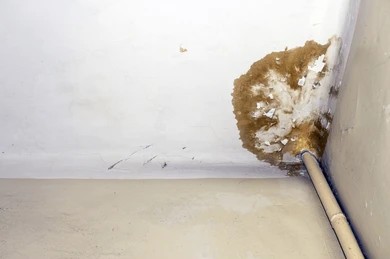
Understanding where leaks typically originate helps homeowners catch problems earlier.
- Supply line connections under sinks and behind toilets.
- Water heater tank seams and fittings.
- Washing machine hoses and dishwasher supply lines.
- Slab leaks in homes built on concrete foundations, which are common throughout the Charlotte metro.
- HVAC condensate lines and drain pans.
- Roof penetrations that allow water to travel down into wall cavities.
- Aging or corroded copper piping in homes built before the 1990s.
Even a small, slow leak that never floods a room can sustain enough moisture behind a wall or under a cabinet to support mold growth for weeks or months without being noticed.
Factors That Speed Up or Slow Down Mold Growth
Not every leak produces mold on the same schedule. Several variables determine how quickly a colony establishes itself.
Temperature
Mold grows most actively between 60 and 80 degrees Fahrenheit, a range that matches indoor Charlotte temperatures for most of the year.
Humidity Level
Indoor relative humidity above 60 percent significantly shortens the window before spores activate and multiply.
Material Type
Porous materials like drywall paper, particle board, carpet padding, and untreated wood absorb and hold water, giving mold an ideal food source. Nonporous materials such as tile, glass, and metal are far more resistant.
Airflow and Light
Stagnant, dark spaces such as the interior of a wall cavity or the underside of a cabinet allow moisture to linger far longer than open, ventilated rooms.
Response Time
The single biggest factor homeowners can control is how quickly the water is removed and the affected materials are dried. The EPA notes that if water damaged materials are dried within 24 to 48 hours, the likelihood of mold establishing itself drops considerably.
Signs a Plumbing Leak May Already Be Causing Mold
Because early mold growth often develops out of sight, homeowners typically notice indirect signs before they see the mold itself.
- A persistent musty or earthy odor near the leak location.
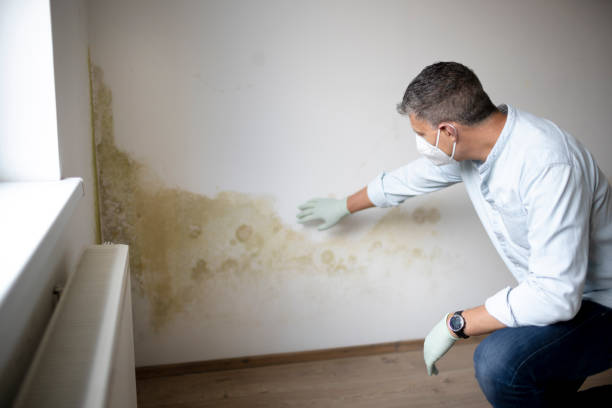
- Discoloration on drywall, baseboards, or ceiling tiles.
- Peeling paint, bubbling wallpaper, or warped flooring.
- Condensation on windows, pipes, or interior walls.
- Cabinet bottoms that feel soft or swollen.
- A noticeable increase in allergy like symptoms while inside the home.
If any of these signs appear following a known or suspected leak, a professional moisture inspection is the most reliable way to confirm what is happening inside the walls or under the flooring.
What to Do in the First 48 Hours After a Plumbing Leak
The first two days after a leak are the most important window for limiting mold development.
- Stop the water source. Shut off the affected fixture or the home’s main water valve if the leak cannot be isolated.
- Remove standing water quickly. Wet vacuums, towels, and mops can address surface water immediately.
- Increase airflow and reduce humidity. Fans, dehumidifiers, and open windows (when outdoor humidity is lower than indoor humidity) help pull moisture out of the air and materials.
- Move furniture and belongings. Items sitting in or near the wet area should be relocated to a dry space to prevent moisture transfer.
- Check hidden areas. Cabinets, baseboards, and the space behind appliances often hold moisture long after the visible surface appears dry.
- Document the damage. Photos and notes are useful for both repair planning and insurance purposes.
- Schedule a moisture assessment. Even when a space looks dry, moisture meters and thermal imaging can confirm whether materials are fully dry or still holding water.
How Professional Mold Remediation Differs From DIY Cleanup
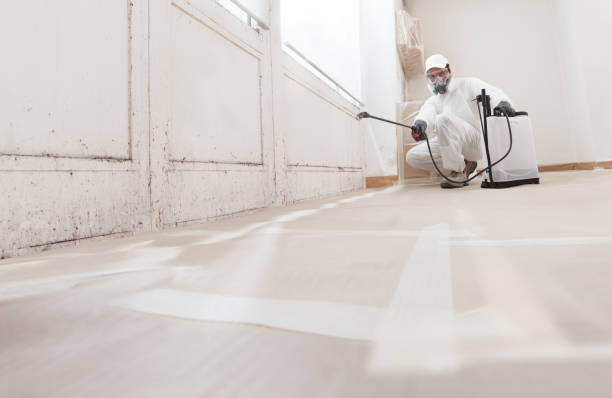
Surface cleaning with household products can remove visible mold on nonporous surfaces, but it does not address moisture trapped inside walls, subflooring, or insulation. Professional remediation in Charlotte homes typically follows a structured process:
- Inspection and moisture mapping using thermal imaging and moisture meters to locate hidden water.
- Containment to prevent spores from spreading to unaffected areas during the work.
- Air filtration using HEPA filtration to capture airborne spores.
- Removal of affected materials that cannot be fully dried or cleaned, such as saturated drywall or insulation.
- Antimicrobial treatment of structural surfaces to address remaining spores.
- Structural drying with commercial grade air movers and dehumidifiers.
- Post remediation verification to confirm moisture levels and air quality meet acceptable standards before the space is closed back up.
This layered approach is why professional remediation tends to produce more reliable, longer lasting results than surface level cleaning, particularly in a climate like Charlotte’s where ambient humidity can reintroduce moisture if the underlying conditions are not fully corrected.
Related: What Causes Mold Behind Drywall? 7 Hidden Moisture Sources in Charlotte Homes
Preventing Future Mold Growth in Charlotte Homes
Once a leak has been resolved, a few ongoing habits help protect the home going forward.
- Keep indoor humidity between 30 and 50 percent using a dehumidifier or properly sized HVAC system.
- Inspect visible plumbing connections, water heaters, and appliance hoses at least twice a year.
- Ensure bathroom and kitchen exhaust fans vent to the exterior, not into the attic.
- Maintain gutters and grading so rainwater moves away from the foundation.
- Consider crawl space encapsulation, which is one of the most effective long term solutions for homes in the Charlotte area given how much ambient moisture crawl spaces absorb.
- Address even minor, slow leaks promptly rather than waiting for visible damage.
Related: Why Does Mold Come Back After Remediation? The Moisture Problems Charlotte Homeowners Often Miss
Frequently Asked Questions
How fast can mold grow after a plumbing leak in a Charlotte home?
Mold can begin developing within 24 to 48 hours of water exposure, with visible colonies often appearing between one and three weeks later depending on humidity, temperature, and how quickly the area is dried.
Can mold grow behind walls without being visible?
Yes. Mold frequently develops inside wall cavities, under flooring, and behind cabinets before any surface discoloration appears, which is why a musty odor is often the first noticeable sign.
Does Charlotte's climate make mold grow faster than in other regions?
Charlotte's humid subtropical climate, with relative humidity frequently above 65 percent for much of the year, creates conditions that support faster mold development compared to drier climates.
Is all mold from a plumbing leak dangerous?
Mold species and their effects vary, and exposure symptoms differ from person to person. A professional inspection is the most reliable way to identify what type of growth is present and determine the right next step.
How can I tell if a leak has already caused mold?
Common indicators include a musty smell, visible discoloration, peeling paint, warped materials, and condensation near the leak site. A moisture inspection can confirm what is happening inside walls or flooring.
Can I dry out a leak myself and avoid mold entirely?
Quick action with fans and dehumidifiers within the first 24 to 48 hours can significantly reduce the chance of mold, especially for small, contained leaks. Larger leaks or leaks that go undetected for several days often require professional drying equipment and moisture verification.
The Local Perspective
Every home in the Charlotte metro area responds a little differently to a plumbing leak depending on its age, construction, and how it sits within the region’s humid subtropical climate.
Homes near Lake Norman, homes with crawl space foundations, and older homes with original plumbing each carry their own moisture risk profile.
Understanding this local context is a meaningful part of why experience with Charlotte specific building patterns and climate conditions leads to more accurate assessments and longer lasting results than a generic, one size fits all approach to moisture and mold.
