How Sudden Summer Thunderstorms Cause Hidden Crawl Space Mold

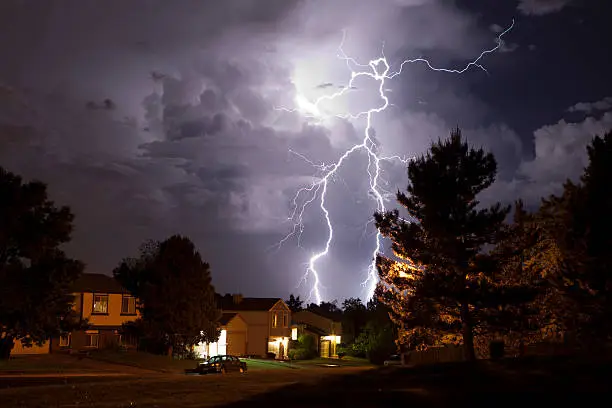
A sudden summer thunderstorm can flood a Carolina crawl space in under an hour and start mold growth in as little as 48 hours, often without a single visible sign from inside the house.
We provide crawl space flood response and mold remediation for homeowners across the Carolinas, and this guide explains exactly how a single afternoon storm turns into a hidden mold situation under your floor, and what actually stops it.
Why Carolina Summer Storms Hit Crawl Spaces So Hard
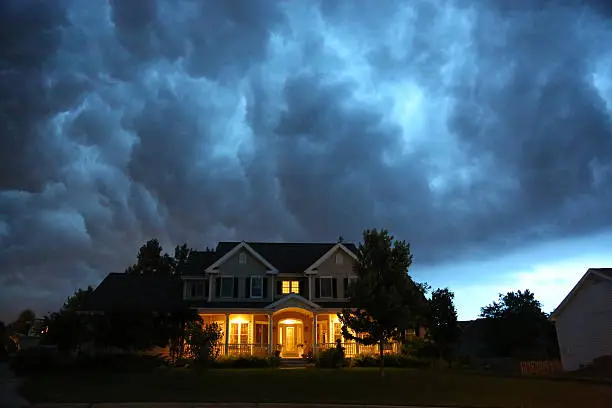
Summer in the Carolinas does not usually bring gentle, steady rain. It brings short, intense thunderstorm cells that can drop two or three inches of rain in under an hour, then clear up completely by dinner. That rainfall pattern is exactly the kind of event a crawl space is least prepared for.
Most Carolina homes sit on Piedmont clay or coastal sandy loam, and both soil types struggle with sudden, heavy rainfall in different ways. Clay soil absorbs water slowly, so a fast downpour has nowhere to go but sideways, straight toward the foundation.
Coastal sandy soil drains faster but sits closer to the water table, so a heavy cell can push groundwater up into the crawl space from below at the same time rain is entering from above. Either way, a single summer storm can put standing water under your home before the sun comes back out.
How a Dry Crawl Space Becomes a Flooded One in Under an Hour
Water reaches a crawl space through a small number of predictable paths, and a sudden thunderstorm activates all of them at once instead of one at a time the way a slow, steady rain might.
Grading that slopes toward the foundation instead of away from it channels roof runoff and yard runoff directly at the foundation wall during peak rainfall intensity.
Foundation vents, which many older Carolina homes still have, let wind driven rain and splash back straight into the crawl space during a storm with any gust behind it. Cracks in the foundation wall or gaps around the crawl space access door let water in under pressure once the soil outside the wall becomes saturated.
And where the water table sits close to the surface, which is common in low lying and coastal parts of both Carolinas, intense rainfall can raise groundwater enough to seep up through the dirt floor itself.
During a slow rain, these entry points let water in gradually, and a working perimeter drain or sump pump can often keep pace. During a sudden, heavy thunderstorm cell, all of them can be active simultaneously, overwhelming drainage that handles normal rain without any concern.
The 48 Hour Window That Decides What Happens Next
This is the detail most homeowners never hear until it is too late to act on it. Mold spores are already present in essentially every crawl space, resting dormant on wood framing, subfloor panels, and insulation.
They do not need much to activate, just sustained moisture and warmth, both of which a flooded summer crawl space provides in abundance.
Once floor joists, subfloor, and insulation stay wet, active mold colonization can begin within roughly 24 to 48 hours, a window referenced by the EPA and echoed across restoration industry standards.
Carolina summer conditions accelerate this timeline rather than slow it down. Crawl space temperatures under a home during a July or August afternoon commonly sit in the 80s, and humidity in an unvented or poorly vented space can climb well above 70 percent immediately after a storm.
That combination of warmth and saturated materials is close to ideal for mold colonization, which is why a Tuesday afternoon storm can leave visible mold growth on floor joists by the following weekend.
Why the Mold Stays Hidden Longer Than the Water Does
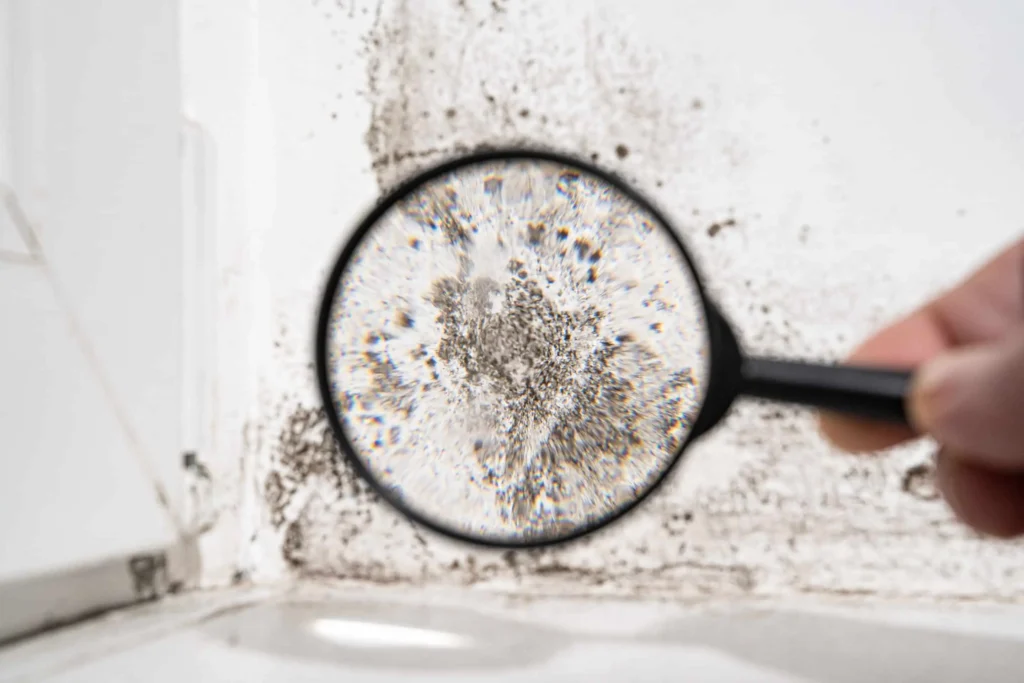
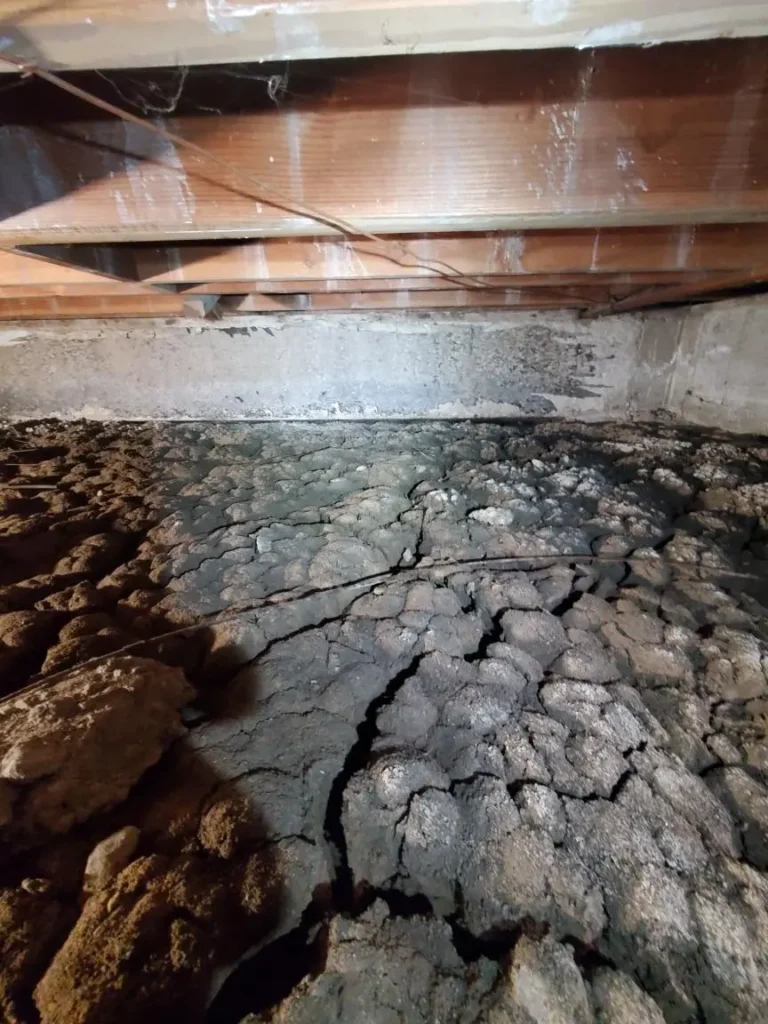
Standing water in a crawl space is often gone within a day or two, absorbed into the soil or pumped out, which leads many homeowners to assume the situation has resolved itself. The moisture that soaked into wood framing, subfloor panels, and paper faced insulation does not leave on the same schedule.
A crawl space is, by design, a space most homeowners rarely enter. Musty odor drifting up through the floor is often the earliest sign, a smell that can be mistaken for a general basement smell even in homes that do not have a basement.
Some homeowners notice it only as a vague staleness in the air upstairs, without ever connecting it to the crawl space below.
By the time mold is visible on a joist or subfloor with a flashlight, the colonization has usually been active for days or weeks already, well past the original 48 hour window.
Why a Single Storm Event Is Different From Chronic Moisture
Not every crawl space moisture concern starts the same way, and the distinction matters for how it should be addressed. Chronic humidity from a vented crawl space pulling in warm, moist outside air all summer long is a slow, steady process.
A sudden thunderstorm flood is an acute event, a large volume of water entering quickly and soaking materials all at once.
An acute flood event from a summer storm tends to saturate a wider area more evenly than a slow chronic leak, which means the affected footprint after a flash flood is often larger than homeowners expect based on how quickly the standing water itself disappeared.
Treating a storm flood with the same light touch as ordinary summer humidity, running a dehumidifier and hoping it dries on its own, frequently is not enough once materials have been fully saturated rather than just humid.
Related: Why is Charlotte’s Summer Humidity a Breeding Ground for Attic Mold?
Air Conditioning and Mold: Why Your Charlotte HVAC System Might Be Spreading Spores
What Effective Response Looks Like After a Storm Flood
Addressing a summer storm flood correctly starts with extraction, not drying. Standing water needs to be physically removed from the crawl space before industrial air movers and dehumidification equipment can do their job efficiently.
Moisture readings should be taken on the wood framing and subfloor with a moisture meter rather than judged by sight, since wood can look dry on the surface while still holding moisture well above safe levels underneath.
Once the space is fully dried and verified with moisture readings rather than a visual check, the underlying vulnerability needs to be addressed so the next thunderstorm does not repeat the same event.
That can mean correcting exterior grading, adding or upgrading a perimeter drain and sump pump system, sealing foundation vents, or moving toward a fully encapsulated crawl space with a vapor barrier and dedicated dehumidification, depending on which entry point let the water in during the storm.
Frequently Asked Questions
How fast can mold grow in a crawl space after a summer storm?
Under Carolina summer conditions, active mold colonization can begin within 24 to 48 hours of wood framing, subfloor, or insulation staying wet, based on EPA guidance and standards used across the restoration industry.
Can a crawl space flood and dry out without leaving mold behind?
It is possible if extraction and structural drying begin within the 24 to 48 hour window and moisture levels are verified with a moisture meter rather than assumed from a visual check. Once that window passes with materials still wet, mold colonization becomes significantly more likely.
Why does my crawl space flood only during heavy thunderstorms and not steady rain?
Sudden, high intensity rainfall overwhelms drainage paths, grading, and soil absorption all at the same time, while a slow steady rain gives the same systems time to keep pace. This is especially common on Piedmont clay soil, which absorbs water slowly.
Is a musty smell in the house a sign of crawl space mold?
Yes, in many Carolina homes a significant share of indoor air originates from the crawl space below, so odor from mold growth under the floor can be noticeable upstairs well before any visible growth is found during an inspection.
Does homeowners insurance typically cover crawl space flooding from a storm?
Coverage depends on your specific policy. Sudden water intrusion from a storm is often treated differently than gradual moisture or neglect, so documenting the storm date and the condition of the crawl space afterward is important if you plan to file a claim.
Get Ahead of the 48 Hour Window
If a recent thunderstorm has left standing water or a musty smell under your home, the timeline that matters most has already started.
Our team provides crawl space flood extraction and crawl space mold removal services across the Carolinas, with moisture verified drying and inspection to confirm the space is fully dry, not just visibly dry, before the next storm has a chance to repeat the cycle.
