Why Does Mold Come Back After Remediation? The Moisture Problems Charlotte Homeowners Often Miss

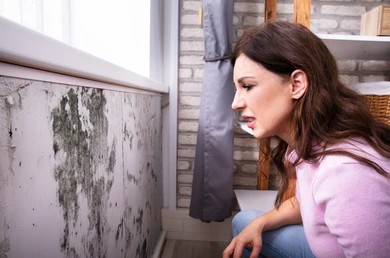
Mold comes back after remediation because the moisture source that fed it in the first place was never fully corrected, so mold remediation removes what you can see while the underlying dampness quietly rebuilds the same conditions all over again.
As mold remediation service providers in Charlotte, NC, we see this pattern constantly: a homeowner pays for cleanup, the stains disappear, and within a few months the same musty smell shows up in the same corner of the same room.
This guide walks through what remediation actually does, why it has limits, and the specific moisture issues that tend to slip past homeowners in the Charlotte area.
What Mold Remediation Actually Fixes
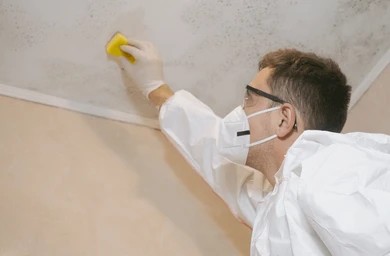
Mold remediation is a cleanup and removal process. A qualified crew contains the affected area, removes materials that can’t be salvaged, treats surfaces that can be, and clears contaminated air with filtration equipment. Done correctly, it eliminates the visible colony and the spore load in that space at that moment.
What it does not do, unless the scope specifically includes it, is repair the plumbing line that’s been dripping behind a wall, reseal a crawl space vent that’s letting in humid outside air, or fix grading that pushes rainwater against a foundation. Remediation treats the mold. It doesn’t automatically treat the water.
The Real Reason Mold Regrows
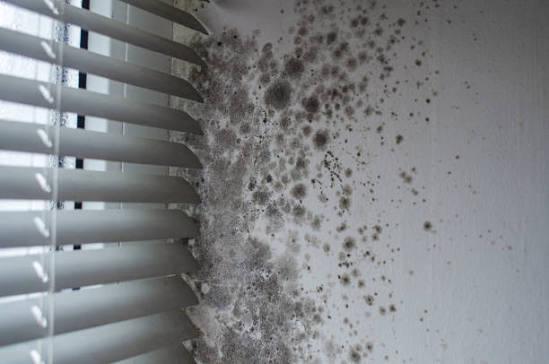
Mold spores exist everywhere, indoors and outdoors, in every home regardless of how clean it is. They’re microscopic, they travel through air currents, and no remediation process removes every single one from a structure. That’s not a failure of the work; it’s simply how the biology functions.
Spores only become a colony when three conditions line up: a food source (drywall paper, wood, dust, insulation backing), a temperature range most homes already sit in, and moisture.
Take away the moisture and the spores stay dormant. Leave it in place and germination can start within one to two days on a damp surface.
So when mold returns to a spot that was already remediated, it’s almost never because the cleanup was sloppy. It’s because the moisture pathway that created the first colony was still open, and new spores found the same wet material the old ones did.
Why Charlotte’s Climate Adds Another Layer

Charlotte sits in a humid subtropical zone, which means outdoor relative humidity regularly climbs well above the 50 percent threshold that mold prefers, especially through spring, summer, and early fall.
Homes here also deal with heavy seasonal rainfall and the occasional remnants of tropical systems moving inland, which load soil around foundations and push moisture into crawl spaces that weren’t built to handle it.
A house in a drier climate might get away with a vented crawl space or a basic exhaust fan in the bathroom.
In Charlotte, those same setups often aren’t enough on their own, because the outside air being pulled in is already carrying a heavy moisture load.
This is one of the biggest gaps we see between a generic mold remediation checklist and what a Charlotte home actually needs.
Moisture Sources Charlotte Homeowners Commonly Overlook
Vented Crawl Spaces
Traditional vented crawl spaces let outside air circulate underneath the home. In a humid region, that air brings moisture in rather than drying anything out, and masonry surfaces in an unconditioned crawl space can sit at very high relative humidity for much of the year.
Subfloor framing, insulation, and ductwork down there stay damp longer than most homeowners realize because nobody checks that space regularly.
HVAC Condensation and Ductwork
Air conditioning systems generate condensation constantly during a Charlotte summer. A clogged condensate drain line, a poorly insulated duct running through a hot attic, or a coil that isn’t draining properly can quietly soak the surrounding material for weeks before anyone notices a stain. Because the HVAC system runs almost daily, this is one of the more persistent moisture sources tied to mold recurrence.
Bathroom and Kitchen Ventilation
Exhaust fans that vent into an attic instead of outside, fans that are undersized for the room, or fans that simply don’t run long enough after a shower all leave warm, moist air trapped in wall cavities and ceiling spaces. This shows up repeatedly as a return location for mold that was previously remediated.
Gutters, Grading, and Foundation Drainage
Water that isn’t carried away from the foundation ends up finding its way in through the slab, the crawl space, or the basement wall.
Clogged gutters, downspouts that dump water right next to the house, and yards that slope toward the foundation instead of away from it are extremely common in older Charlotte neighborhoods and are rarely part of a standard mold cleanup scope.
Indoor Humidity Levels
Even without a leak, a home that consistently sits above 60 percent relative humidity indoors gives mold everything it needs on surfaces that never got wet from a specific event. This can come from an oversized HVAC system that cools the air without removing enough humidity, a lack of dehumidification in a finished basement, or simply a tightly sealed home with limited air exchange.
Signs the Moisture Problem Was Never Solved
A few patterns tend to show up before visible mold reappears:
Musty odor returns before any stain does. Smell often precedes visible growth by weeks.
Condensation on windows, pipes, or ductwork. This points to elevated indoor humidity rather than a one time leak.
Cupped, warped, or soft flooring. Wood and laminate react to sustained moisture from below, often from a crawl space.
Peeling paint or bubbling drywall in the same spot as before. This usually means the material never fully dried the first time or the source was never interrupted.
Higher than normal indoor humidity readings. A simple hygrometer reading consistently above 55 to 60 percent indoors is worth investigating even without other symptoms.
How Quickly Mold Can Reestablish
Under the right moisture conditions, mold spores can begin colonizing a damp surface in as little as one to two days, and a visible colony can form within one to two weeks.
This is why a home that looked completely clear right after remediation can show new growth by the next season if the humidity or leak issue was still active the entire time.
What a Thorough Moisture Assessment Looks Like
A remediation job that’s built to last generally pairs the cleanup with an actual investigation into where the water came from. That typically includes:
A moisture meter reading on framing, drywall, and subfloor materials to check for elevated readings that aren’t visible to the eye.
Thermal imaging to spot temperature differences that often indicate hidden dampness inside a wall or ceiling cavity.
A crawl space and attic walkthrough, since both areas are easy to skip during a standard inspection but are where a large share of ongoing moisture issues live.
A check of HVAC condensate lines, exhaust fan venting, and duct insulation.
An exterior walkthrough covering grading, gutters, downspouts, and any visible foundation cracks.
This kind of assessment is what separates a remediation job that holds up for years from one that has to be repeated.
Related: How Fast Can Mold Grow After a Plumbing Leak in a Charlotte Home?
Keeping a Charlotte Home Mold Free Over the Long Term
Once the moisture source is identified and corrected, whether that means sealing and conditioning a crawl space, repairing a leak, improving ventilation, or adding dehumidification, the home needs ongoing attention rather than a single fix and forget approach.
Indoor humidity is worth monitoring seasonally, gutters need regular clearing, and crawl spaces and attics benefit from a periodic visual check even when nothing seems wrong.
Homes in this region are working against a genuinely humid climate for a large part of the year, which is exactly why moisture management has to be treated as an ongoing part of homeownership here rather than a one time task tied to a remediation invoice.
Related: Mold Smell But No Visible Mold? Where Hidden Mold Can Grow Inside Charlotte Homes
Frequently Asked Questions
Does mold always come back after remediation?
No. Mold returns specifically when the moisture source that caused it wasn’t corrected. When both the visible mold and the underlying water issue are addressed, recurrence in that spot becomes far less likely.
How long after remediation can mold reappear?
It varies with how much moisture is present. Under continuously damp conditions, new growth can appear within one to two weeks. In cases involving lower level, ongoing humidity rather than an active leak, it can take a few months for the pattern to reemerge.
Is a musty smell after remediation normal?
A lingering odor immediately after cleanup can be residual, but a musty smell that returns or persists past the first week or two usually signals that moisture is still present somewhere nearby.
Can high humidity alone cause mold without a leak?
Yes. Indoor relative humidity sitting above roughly 55 to 60 percent for extended periods can support mold growth on organic surfaces even without a specific water event.
Why do crawl spaces matter so much for Charlotte homes specifically?
Charlotte’s humid subtropical climate means outside air pulled into a vented crawl space is often already carrying high moisture content, which keeps subfloor materials damp for much of the year unless the space is sealed and conditioned.
What’s the difference between mold remediation and moisture control?
Remediation removes existing mold and contaminated material. Moisture control addresses the water, humidity, or ventilation issue that allowed the mold to grow in the first place. A lasting solution usually needs both.
